
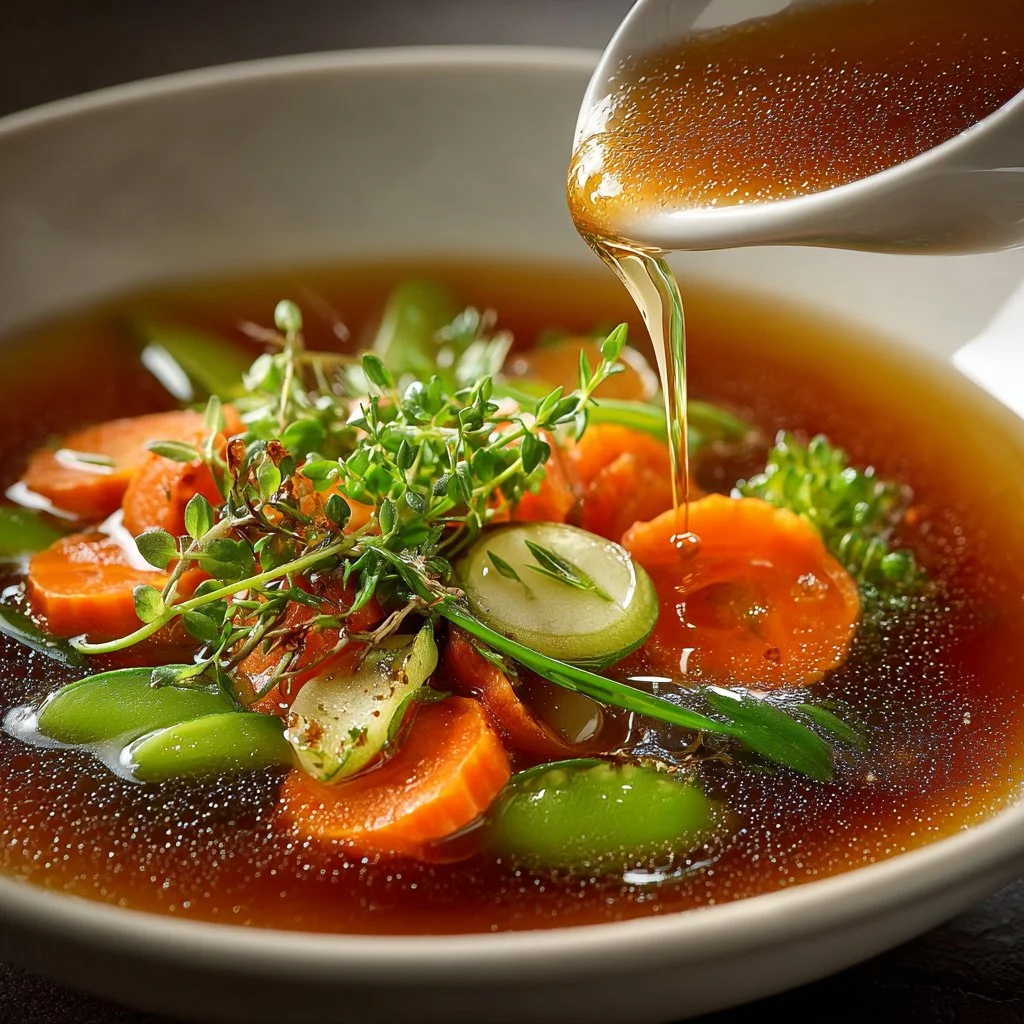
Introduction to Zero Waste Vegetable Broth
Have you ever looked into your fridge and found a bag of wilting vegetables or scraps that seem too small to be worth cooking? You’re not alone. Many people face the dilemma of leftover vegetables that often end up in the trash, contributing to food waste. This is where the beauty of Zero Waste Vegetable Broth comes into play. By utilizing those often-overlooked ingredients, you can create a flavorful broth that not only enhances your meals but also helps the environment.
This cooking method is not merely a clever solution for scraps; it’s a celebration of flavors that can transform your cooking. Imagine being able to turn carrot tops, onion skins, and celery ends into a rich, savory base that elevates soups, stews, and sauces. It’s a delightful way to reduce waste while creating something delicious, nourishing, and cost-effective.
Making Zero Waste Vegetable Broth is an easy process that requires just a little bit of planning and creativity. You can experiment with different combinations of vegetables and herbs, making each batch uniquely yours. And the best part? It’s not only good for the planet, but it also allows you to control the flavors and sodium levels in your cooking. Whether you’re an experienced chef or a novice cook, this broth recipe will quickly become a staple in your kitchen.
So, if you’re ready to reclaim those vegetable scraps and create something fantastic, join me as we dive into the key benefits of this homemade broth. You might find this is not just a recipe but a movement toward conscious cooking and sustainability!
Table of Contents
Key Benefits of Zero Waste Vegetable Broth
Why You’ll Love This Recipe
- Reduces food waste by using leftovers.
- Packed with nutrients, vitamins, and minerals.
- Incredibly versatile for various dishes.
- Easy to customize based on taste preferences.
- Cost-effective way to enhance your meals.
- Simple to prepare with minimal hands-on time.
What Makes It Stand Out
The Zero Waste Vegetable Broth is unique because it invites you to think creatively about your ingredients. Unlike traditional broths, there’s no need for strict adherence to a recipe; you can toss in whatever you have, making it incredibly adaptable. This flexibility not only allows for a range of flavors but also ensures that you can make broth any time, even when your pantry seems sparse.
Additionally, this broth stands out for its environmental consciousness. In a world where food waste is a major issue, learning how to repurpose vegetable remnants into something usable, nourishing, and tasty aligns with sustainable cooking practices. It’s a perfect option for eco-conscious individuals eager to minimize their carbon footprint while making delicious meals.
Ingredients for Zero Waste Vegetable Broth
Complete Ingredient List with Measurements
- Vegetable scraps (e.g., carrot peels, onion skins, celery ends, garlic remnants)
- 1-2 whole carrots, chopped
- 1-2 stalks of celery, chopped
- 1 whole onion, quartered (or onion peels)
- 3-4 cloves of garlic, smashed (or garlic peels)
- Fresh or dried herbs (e.g., thyme, parsley, bay leaves)
- Salt and pepper to taste
- Water (enough to cover the ingredients)
Substitutes and Alternatives
There are plenty of ways to customize the ingredients for your Zero Waste Vegetable Broth. If you’re allergic to certain vegetables, such as onions or garlic, feel free to omit them or replace them with alternatives like leeks or shallots for a milder flavor. Don’t hesitate to add in your favorite herbs or spices to give the broth a unique twist. Additionally, if you find yourself with extra mushrooms, they can contribute an earthy flavor to your broth.
For those on a low-sodium diet, consider leaving out added salt and seasoning the broth at the time of use instead. This way, you may control the salt levels in each dish you prepare later.
How to Make Zero Waste Vegetable Broth – Step-by-Step Directions
Step 1 – Prepare Ingredients
Start by gathering all your vegetable scraps and clean, fresh vegetables. Rinse any dirt off the scraps, especially if they aren’t organic. Chop the fresh vegetables into smaller pieces to help release their flavors during the simmering process.
Step 2 – Cook the Base
In a large pot, add the prepared vegetable scraps and fresh ingredients. Pour in enough water to cover everything, usually about 8-10 cups, depending on the size of your pot. Bring the mixture to a boil over medium-high heat.
Step 3 – Add Flavor Boosters
Once boiling, add any dried or fresh herbs you have on hand. Common picks include thyme, bay leaves, or parsley. You can adjust the kinds and measurements of herbs according to your taste preference.
Step 4 – Reduce to Simmer
After reaching a boil, lower the heat and let it simmer. Allow the broth to cook gently for about 45 minutes to an hour. This gradually extracts flavor from the ingredients, turning your mix into a delicious broth.
Step 5 – Strain the Broth
Once your broth has simmered, it’s time to strain it. Place a fine mesh strainer or a cheesecloth over another pot or bowl. Carefully pour the broth through, catching all the vegetable scraps.
Step 6 – Season to Taste
After straining, taste the broth and add salt or pepper as desired. Remember, you want to keep it simple so you can season further when incorporating it into other dishes.
Step 7 – Let it Cool
Allow the broth to cool completely before storing it. This helps preserve flavor and protects your containers from warping if they are plastic.
Step 8 – Store or Use Immediately
At this point, you can either use your freshly made Zero Waste Vegetable Broth right away in soups, sauces, and stews, or you can store it for later use.
Serving Suggestions for Zero Waste Vegetable Broth
Best Occasions to Serve This Dish
Zero Waste Vegetable Broth is ideal for nearly any occasion. Use it as a base for a cozy family dinner, or incorporate it into a meal prep session for the week ahead. It’s also perfect for holiday feasts, helping to create memorable recipes that are kind to the planet.
What to Serve With It
Pair your broth with noodles for a comforting soup, or use it to cook grains like rice or quinoa to enhance their flavor. It can also serve as a base for risottos, stews, or even in sauces. Consider serving it alongside crusty bread, a fresh salad, or even steamed vegetables for a balanced meal.
How to Store Zero Waste Vegetable Broth Properly
Best Storage Practices
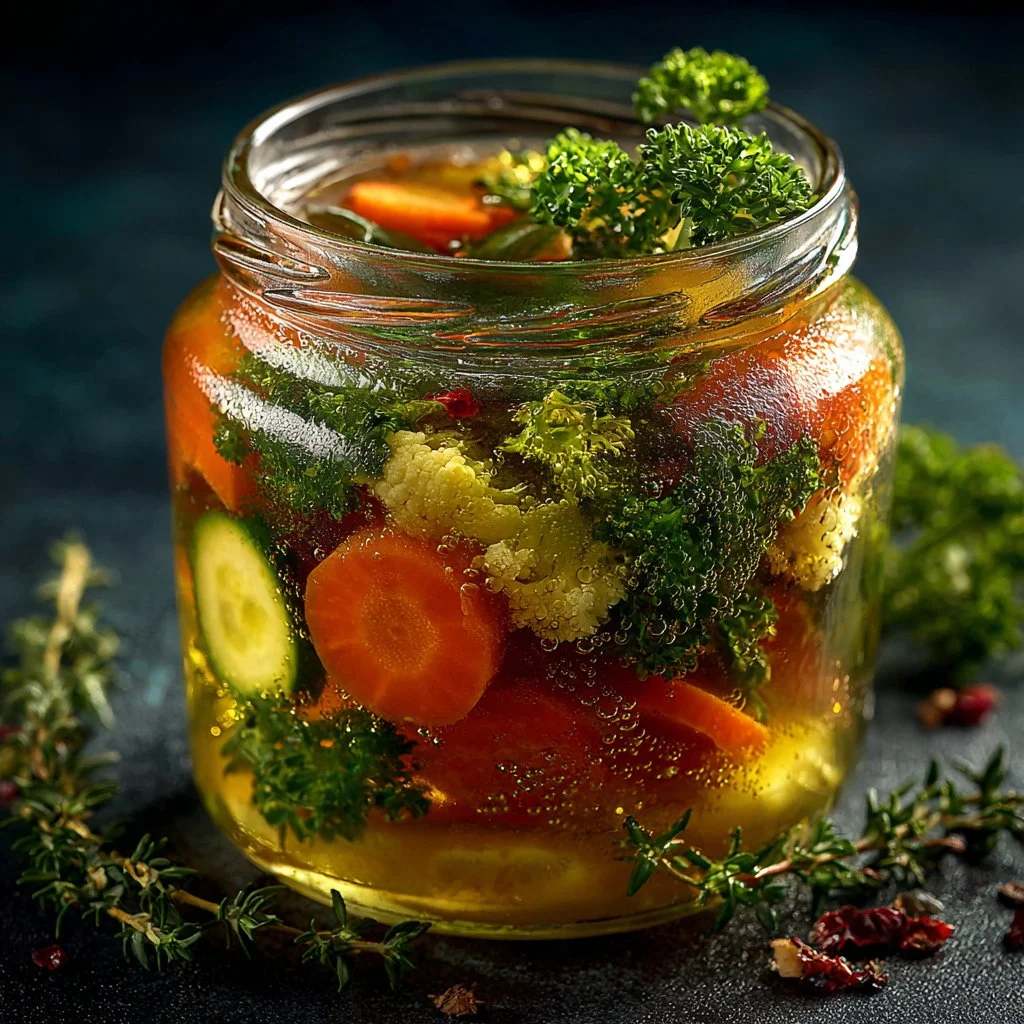
For optimal storage of your Zero Waste Vegetable Broth, pour it into airtight containers or jars. It can be stored in the refrigerator for up to a week. For longer storage, consider freezing your broth in ice cube trays, allowing you to use them conveniently in the future.
If you’re using glass jars, leave a little space at the top, as the broth will expand when frozen. Once frozen, transfer the cubes to a resealable plastic bag or airtight container and label them for easy identification.
Reheating and Freezing Tips
When you’re ready to use your broth, you can easily reheat it on the stovetop over medium heat or in the microwave in short bursts, stirring frequently. If you’ve frozen it in cubes, simply pop out the desired amount and let them thaw before reheating.
Feel free to adjust the seasoning once thawed, as flavors may vary slightly.
Tips & Tricks for Zero Waste Vegetable Broth
Mistakes to Avoid
1 – Overcooking the broth can lead to bitterness. Stick to the recommended simmering time for the best flavor.
2 – Not straining well may result in a grainy texture. Use a fine mesh strainer or cheesecloth for a smoother broth.
3 – Using spoiled or overly wilted vegetable scraps may negatively impact flavor and safety. Always check the quality of your ingredients.
4 – Adding too much salt at the start can limit versatility; season later when using it in other recipes.
5 – Forgetting to label frozen broth can lead to confusion. Always mark dates and contents for easy access.
Extra Tips for Better Results
Use a variety of vegetables for a richer broth, including root vegetables and herbs for depth. Feel free to add citrus peels for a zingy twist or spices like black pepper and ginger for added warmth. You can also enhance the color and flavor with roasted vegetables, giving your broth a caramelized essence.
Recipe Variations of Zero Waste Vegetable Broth
Creative Twists
1 – Mushroom Broth: Add dried mushrooms or leftover mushroom stems for a deep, earthy flavor.
2 – Spicy Broth: Incorporate slices of fresh ginger, jalapeños, or chili flakes for a spicy kick.
3 – Asian-Inspired Broth: Mandarin peels, soy sauce, and sesame oil can give your broth an Asian flair perfect for ramen.
4 – Italian Broth: Toss in some tomato scraps, basil stalks, and oregano for an Italian-inspired version.
Dietary Adjustments
This broth is naturally vegan and gluten-free, making it perfect for a wide range of diets. Simply watch the sauces and additional ingredients you incorporate later, ensuring no unwanted allergens slip in. By carefully selecting your vegetable scraps and herbs, you can cater to various dietary needs without compromise.
Conclusion about Zero Waste Vegetable Broth
In a world increasingly concerned about sustainability and food waste, Zero Waste Vegetable Broth emerges not only as a simple culinary solution but as a valuable practice for everyone. By transforming vegetable scraps into a nourishing broth, you support a lifestyle that prioritizes both flavor and responsibility.
Every spoonful enriches your dishes while helping reduce your ecological footprint. Whether you’re using up leftover vegetables or experimenting with new flavors, this broth is guaranteed to be an exciting addition to your cooking routine. Try making it today and embrace the delicious potential in your kitchen waste!
FAQs about Zero Waste Vegetable Broth
Can I use any vegetable scraps?
You can use nearly any vegetable scraps, such as stems, peels, and even dried herbs. However, avoid using spoiled or overly bitter vegetables.
How long will the broth last in the fridge?
Homemade Zero Waste Vegetable Broth can be stored in the fridge for about one week if kept in an airtight container.
Can I freeze the broth?
Yes, this broth freezes excellently. Store it in airtight containers or ice cube trays for easy use later.
What can I make with the broth?
Use it as a base for soups, risottos, sauces, or as cooking liquid for grains and vegetables.
How can I adjust the flavor?
Taste the broth after cooking and add salt or any additional herbs and spices to suit your preferences.
Should I peel vegetables before using them?
You don’t have to peel most vegetables as the scraps still carry flavor and nutrients. Clean them well before use.
Can I make this broth in a slow cooker?
Absolutely! Set on low for 6-8 hours or high for about 3-4 hours for a slow-cooked flavor.
Is this broth gluten-free?
Yes, Zero Waste Vegetable Broth is naturally gluten-free, making it a wonderful option for those with gluten sensitivities.
How do I know when the broth is done?
The broth is ready when it has a rich color and flavor. Typically, simmering for about 45 minutes to an hour is ideal.
Can I add spices to the broth?
Yes, spices can enhance the flavor. Just remember that you might want to add them according to the dish you’re later making!