
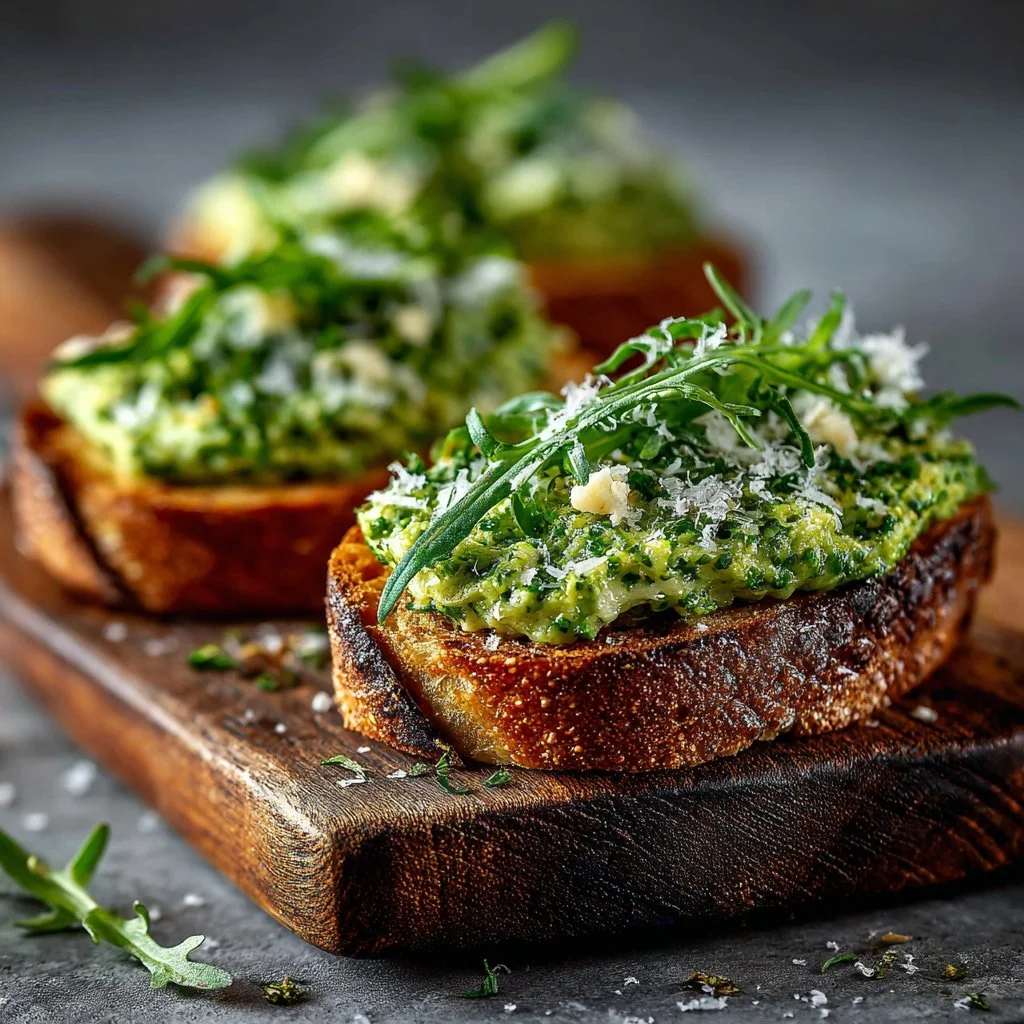
Introduction to Zero Waste Pesto, 4 Ways (Plant Based Recipes)
Have you ever found yourself tossing away leftover vegetable scraps while preparing meals? If this sounds familiar, you’re not alone. Many home cooks struggle with finding ways to use up every part of their ingredients. That’s where the unique concept of Zero Waste Pesto comes in. Not only does this recipe help reduce food waste, but it also opens up a world of flavors that can elevate your dishes.
Zero Waste Pesto is an innovative twist on the classic Italian condiment. By incorporating often-discarded items like carrot tops, broccoli stems, or radish greens, you can craft a delicious and nutritious pesto that’s packed with flavor and sustainability. Imagine whipping up a vibrant sauce that not only complements pasta but can also be used in grain bowls, drizzled over roasted vegetables, or spread on sandwiches. Isn’t that a game changer for your kitchen?
This homemade recipe is perfect for those who are looking to embrace plant-based eating without sacrificing taste. By blending these unexpected ingredients with nuts, seeds, and a splash of olive oil, you’ll create a rich, creamy texture that is truly irresistible. Whether you’re on a quest for quick weeknight meals or planning an impressive dinner party, Zero Waste Pesto is versatile enough to suit any occasion. Moreover, the customization possibilities are endless, meaning you can experiment with whatever ingredients you have on hand.
When you make Zero Waste Pesto, you’re not just creating a dish; you’re contributing to a healthier planet while treating your palate to something extraordinary. Join us as we dive into the key benefits of this recipe and share how to make it in four delightful variations.
Table of Contents
Key Benefits of Zero Waste Pesto, 4 Ways (Plant Based Recipes)
Why You’ll Love This Recipe
- Flavor Explosion: The combination of fresh greens and nuts provides a vibrant taste while reducing waste.
- Simplicity: Made in just a few easy steps, this recipe is perfect for busy weeknights.
- Versatility: Use it as a pasta sauce, dip, or sandwich spread.
- Nutritious: Packed with vitamins from leafy greens and healthy fats from nuts.
- Customizable: Swap ingredients to cater to your taste or dietary preferences.
- Sustainable: Helps to eliminate food waste, making it an eco-friendly choice.
What Makes It Stand Out
What makes Zero Waste Pesto stand out is its inventive use of ingredients typically relegated to the trash bin. This recipe not only promotes the use of those “forgotten parts” but also encourages creativity in the kitchen. From carrot greens to beet tops, the possibilities with this pesto are endless.
Additionally, this recipe shines during summer when gardens produce an abundance of fresh herbs and vegetables. It’s the best occasion to utilize what you have while enjoying the fruits of your labor. Everyone will appreciate this eco-conscious approach to cooking, making it a conversation starter at gatherings and dinners.
Ingredients for Zero Waste Pesto, 4 Ways (Plant Based Recipes)
Complete Ingredient List with Measurements
- 2 cups of fresh green herbs (basil, parsley, or carrot tops)
- 1 cup of nuts or seeds (pine nuts, walnuts, or sunflower seeds)
- 1-2 cloves of garlic (or more for a bolder flavor)
- 1/2 cup of olive oil (or more for desired consistency)
- 1/4 cup of nutritional yeast (for a cheesy flavor)
- Salt and pepper to taste
- Zest of 1 lemon (optional for brightness)
Substitutes and Alternatives
If you’re allergic to nuts, you can easily swap them for seeds such as sunflower or pumpkin seeds. The pesto remains creamy and flavorful without the nuts. For a low-fat alternative, you could replace some of the oil with vegetable broth or additional water to achieve a smoother texture.
If you’re avoiding gluten, rest assured that all the ingredients are gluten-free. You can pair your pesto with gluten-free pasta or serve it over a bed of zoodles for a light meal.
How to Make Zero Waste Pesto, 4 Ways (Plant Based Recipes) – Step-by-Step Directions
Step 1 – Prepare Ingredients
Start by washing your fresh herbs thoroughly. If you’re using stems or roots, chop them into smaller pieces for easier blending.
Step 2 – Cook the Base
In a food processor, combine the herbs and nuts or seeds. Pulse them a few times until they are roughly chopped. This helps mix the flavors before adding liquids.
Step 3 – Add Garlic
Incorporate your garlic cloves into the processor. Adjust the amount to your preference for a mild or robust flavor. Blend again until everything is well mixed.
Step 4 – Pour in Olive Oil
While the processor is running, slowly drizzle in the olive oil. This creates a creamy consistency for your pesto. Stop occasionally to scrape the sides of the bowl to ensure even blending.
Step 5 – Incorporate Nutritional Yeast
Add the nutritional yeast for that cheesy flavor without any dairy. Blend again until well combined.
Step 6 – Season to Taste
After everything is blended, taste your pesto. Add salt and pepper according to your preference, and blend briefly to mix.
Step 7 – Optional Add-ins
For a burst of flavor, consider adding lemon zest or juice. This step enhances the brightness and freshness of your pesto. Blend until incorporated.
Step 8 – Check the Texture
Assess the texture and flavor of your pesto. If it’s too thick, add more olive oil or a splash of water until you reach your desired consistency.
Step 9 – Transfer to Storage
Once you have your desired consistency, transfer your pesto to an airtight container. Smooth out the top to help prevent oxidation and darkening.
Step 10 – Refrigerate or Freeze
You can store your Zero Waste Pesto in the fridge for up to a week. If you want to keep it longer, consider portioning it into ice cube trays and freezing it for future use.
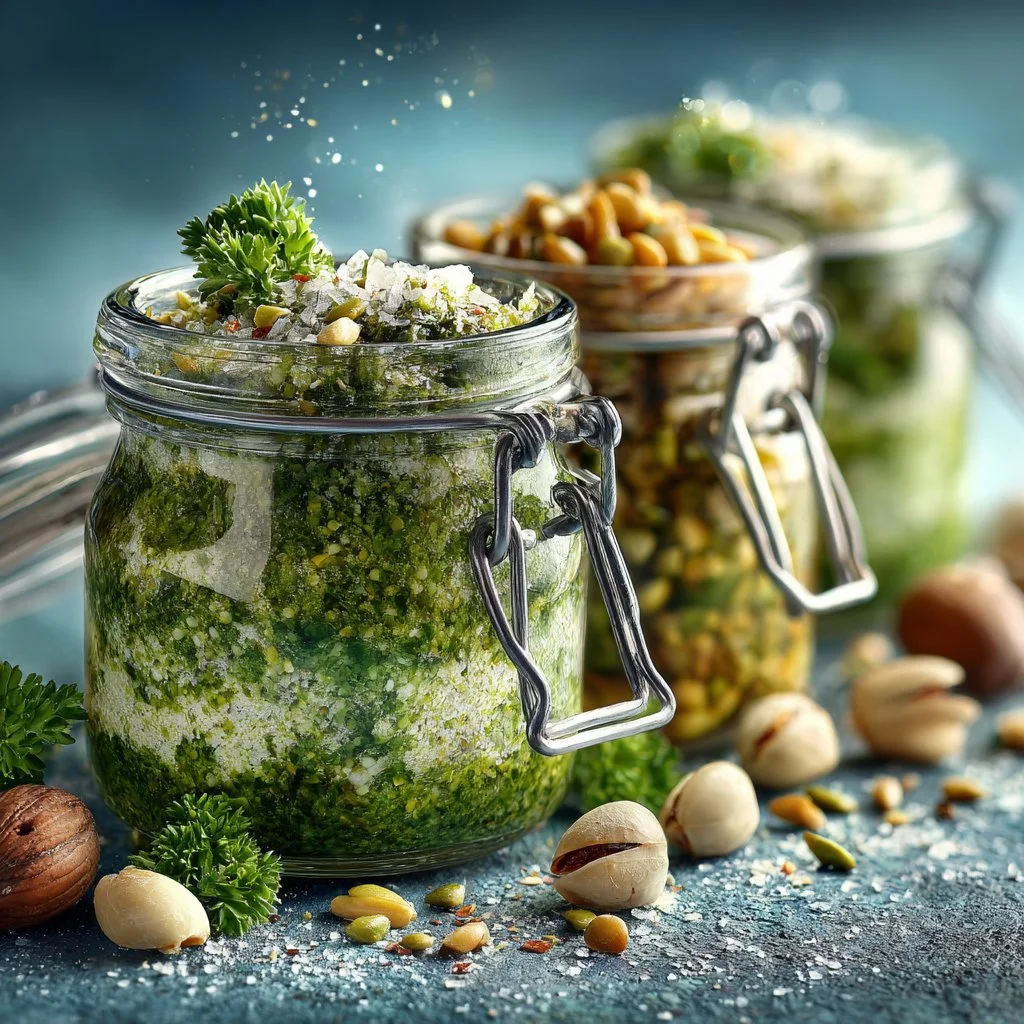
Serving Suggestions for Zero Waste Pesto, 4 Ways (Plant Based Recipes)
Best Occasions to Serve This Dish
Zero Waste Pesto is ideal for summer picnics and barbecues, as it adds a refreshing touch to any dish. It also works wonders during dinner parties, where guests will delight in its unique flavor profile. Use it to elevate simple meals or as an appetizer with fresh vegetables.
What to Serve With It
Pair your pesto with whole-grain pasta, spiralized veggies, or even as a topping for grilled chicken. It also makes an excellent dip when served with crusty bread or fresh veggies.
How to Store Zero Waste Pesto, 4 Ways (Plant Based Recipes) Properly
Best Storage Practices
To maximize freshness, store your Pesto in an airtight container. If you see any browning on the surface, simply scrape it off before using. It can be kept in the refrigerator for about a week.
Reheating and Freezing Tips
If you plan to freeze your pesto, pour it into ice cube trays for perfect portioning. When reheating, avoid using high heat as it can separate the oil. Simply let it thaw in the fridge overnight before using or warm it gently in a saucepan.
Tips & Tricks for Zero Waste Pesto, 4 Ways (Plant Based Recipes)
Mistakes to Avoid
- Ignoring Texture: Avoid blending until completely smooth if you want some texture; it’s meant to be a bit chunky.
- Over-Adding Salt: Start with less salt; you can always add more, but it’s tough to fix salty pesto.
- Using Stale Nuts: Ensure your nuts or seeds are fresh; stale ones will negatively impact the flavor.
- Neglecting Freshness: Use fresh ingredients to ensure the best flavor and nutrition from your pesto.
- Blending Too Quickly: Gradually add oil while blending for a creamy texture rather than dumping it all at once.
Extra Tips for Better Results
For an added kick, experiment with different herbs or spices like chili flakes. Also, consider mixing different types of nuts for a unique flavor. Presentation can be improved by drizzling a little olive oil on top before serving.
Recipe Variations of Zero Waste Pesto, 4 Ways (Plant Based Recipes)
Creative Twists
- Broccoli Stem Pesto: Use broccoli stems with a combination of basil for a rich, earthy flavor that also utilizes often-discarded parts.
- Beet Green Pesto: Using beet greens adds a vibrant color and unique taste, enhancing the nutrient profile of your dish.
- Carrot Top Pesto: Emphasize the often-overlooked carrot tops for a fresh and slightly sweet twist on traditional pesto.
Dietary Adjustments
Zero Waste Pesto can easily be made vegan by ensuring all ingredients are plant-based. For those with nut allergies, simply swap out nuts for seeds.
Conclusion about Zero Waste Pesto, 4 Ways (Plant Based Recipes)
Zero Waste Pesto is more than just a recipe; it’s a lifestyle choice that celebrates sustainability and care for the environment. By utilizing every part of your ingredients, you can create a dish that not only tastes incredible but also aligns with eco-conscious values. This delicious pesto serves as a perfect companion for various meals, proving that cooking can be both delightful and responsible. It encourages creativity and resourcefulness, transforming food scraps into culinary masterpieces. Why not give Zero Waste Pesto a try? You’re not just making a meal; you’re making a difference.
FAQs about Zero Waste Pesto, 4 Ways (Plant Based Recipes)
Can I freeze Zero Waste Pesto?
Yes, Zero Waste Pesto freezes well. Pour it into ice cube trays for easy portioning, freeze, and store in airtight containers once solid.
How long does homemade pesto last in the fridge?
Homemade Zero Waste Pesto can be stored in the refrigerator for up to one week if kept in an airtight container.
What can I use instead of nuts in pesto?
Seeds like pumpkin or sunflower can be used instead of nuts for a dairy-free, nut-free version while maintaining creaminess.
Can I make Zero Waste Pesto ahead of time?
Absolutely! It’s even better if made ahead, allowing flavors to meld. Just remember to store it properly to maintain freshness.
How can I tell if my pesto has gone bad?
Check for off-smells, discoloration, or mold. If any of these are present, it’s best to discard the pesto.
Can I use frozen herbs in the pesto?
Yes, frozen herbs work well for making pesto, although the texture might differ slightly from using fresh herbs.
Is Zero Waste Pesto gluten-free?
Yes, all the ingredients in this recipe are gluten-free, making it a safe option for those with gluten sensitivities.
How can I thin out thick pesto?
To thin out thick pesto, simply add more olive oil or a splash of water until you achieve your desired consistency.