
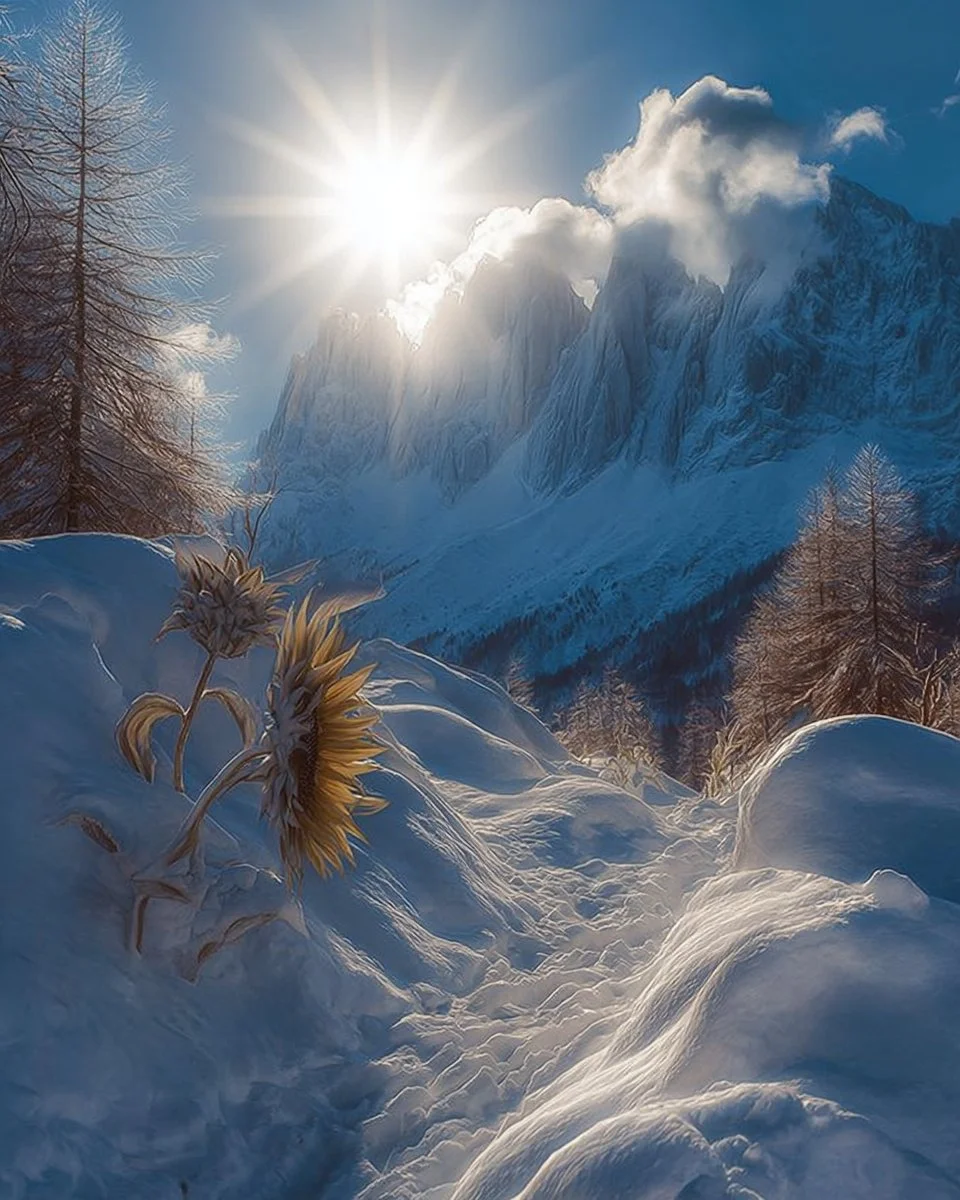
As winter rolls in, many photographers find themselves enchanted by the serene beauty of snow-covered landscapes. The crisp air and soft light create a magical atmosphere that is perfect for capturing breathtaking images. However, shooting in winter can be challenging, from dealing with the biting cold to navigating tricky terrain. That’s where the art of Winter Landscape Photography: Master the Snowy Peaks comes into play. In this guide, you will learn valuable tips on composition, settings, and gear that will elevate your winter photography, allowing you to capture the essence of snowy peaks in all their glory.
Table of Contents
Understanding Winter Landscape Photography
The Beauty of Snowy Landscapes
When winter blankets the world in snow, it creates a stunning canvas that transforms familiar landscapes into dreamlike scenes. Think about those enchanting mornings when the sun rises over white-draped mountains, casting soft glows and long shadows. This is the magic of winter landscape photography. The challenge lies in capturing that beauty in a way that conveys the stillness and tranquility of winter.
Equipment Essentials for Winter Conditions
Before heading out into the cold, ensure you have the right gear. A sturdy camera is essential, but your lens choice matters too. Wide-angle lenses are fantastic for landscape photography, as they allow you to capture sweeping vistas. Don’t forget extra batteries; cold weather can drain them quickly. Polarizing filters can help reduce glare from the snow, ensuring your images remain rich and vibrant.
Preparing for Your Shoot
Choosing the Right Location
Finding the perfect spot to photograph in winter requires some research. Popular national parks, like Yosemite or Banff, offer stunning snowy landscapes. However, lesser-known locations can yield unique shots without the crowds. Spend time scouting locations that feature striking peaks or interesting foreground elements like trees or rocks, which can add depth to your images.
Timing Is Everything: Best Light Conditions
Winter light can be incredibly diffused, offering soft illuminations perfect for photography. Early mornings or late afternoons typically provide the best light, casting long shadows and warm tones over the snowy landscape. Have you ever experienced the golden hour after a fresh snowfall? The world glows in a way that makes everything feel magical, so be ready to capture that moment.
Techniques for Stunning Winter Captures
Mastering Exposure in Snowy Environments
One of the most common challenges in winter photography is correctly exposing your images. Snow can trick your camera’s metering system, leading to underexposed photos that appear gray instead of white. To counter this, consider overexposing slightly – start with +1 or +2 exposure compensation to ensure the snow appears bright and white. It’s often helpful to shoot in RAW format, giving you more flexibility in post-processing to adjust exposure and recover lost details.
Composition Tips for Winter Landscapes
To create engaging compositions, focus on leading lines, such as paths or streams that draw the viewer’s eye into the scene. Incorporating a foreground element, like a single tree or a boulder, can provide depth and context. Remember, the rule of thirds is still applicable in winter photography. When positioning your subjects, think about balance and how the snow can frame them beautifully.
Post-Processing Your Winter Images
Editing Techniques for a Polished Look
Post-processing played a crucial role in refining your winter images. Start with a good crop to enhance your composition if needed. Adjust the contrast to bring out the snow’s texture, and tweak the exposure to keep it bright. Don’t shy away from bringing out the colors; winter skies can have incredible blues that, when highlighted carefully, elevate the image effectively.
Enhancing Colors and Details
Using software like Lightroom or Photoshop, you can enhance specific colors and details in your images. Adjust the vibrance and saturation to make winter foliage pop against the white snow. You might want to sharpen the details on the snowy peaks, ensuring every little texture is visible, creating a striking image that draws the viewer in.
Overcoming Challenges in Winter Photography
Dealing with Cold Weather
Photographing in winter means contending with the elements. Layer your clothing to stay warm, and bring hand warmers for your pockets. Protect your gear from moisture by using weather-sealed backpacks and lens covers. If your camera gets cold, give it a few moments to adjust to the temperature before taking it outdoors to avoid lens fogging.
Navigating Snowy Terrain
Walking through snow can be tiring, so choose your footwear wisely. Waterproof boots with good traction are essential for stability and warmth. Consider packing snowshoes if you’re venturing into deep snow, allowing you to move more easily while keeping your pace steady. Always let someone know your plans and expected return time when venturing into isolated areas.
Sharing Your Winter Photography
Connecting with Fellow Photographers
Joining photography forums or communities can help you gain insights into winter landscape photography. Share your images for constructive feedback and learn from seasoned photographers who can provide valuable tips and tricks. It’s also a great way to find potential collaboration opportunities or group shoots!
Social Media Strategies for Exposure
Once you have stunning winter images, don’t hesitate to share them on social media. Use relevant hashtags like #WinterPhotography, #SnowyPeaks, and #LandscapePhotography to reach enthusiasts and potentially gain followers. Engage with your audience through thoughtful captions and behind-the-scenes stories, making your posts more relatable and appealing.
Conclusion
Winter landscape photography offers a unique and beautiful opportunity to capture nature’s serenity. By following the tips and strategies detailed in Winter Landscape Photography: Master the Snowy Peaks, you can develop your skills and produce awe-inspiring images. Remember, practice makes perfect, and the more you explore, the better equipped you’ll be to depict the enchantment of winter. Grab your gear, bundle up, and head out into the snowy peaks – you won’t regret it!
FAQs
What gear do I need for winter landscape photography?
Essentials include a DSLR or mirrorless camera, a wide-angle lens, a tripod, and extra batteries for cold weather.
How can I avoid underexposure in snowy photos?
Use exposure compensation to brighten your images, typically starting with +1 or +2, and shoot in RAW format for better editing flexibility.
What is the best time to photograph winter landscapes?
The golden hour, either early in the morning or late in the afternoon, often provides the best light for winter photography.
How do I protect my camera in snowy conditions?
Utilize weather-sealed bags, lens covers, and keep your camera warm by storing it in an insulated area when not in use.
Can I take good winter photos with a smartphone?
Yes, many modern smartphones have excellent cameras and photo-editing apps, making them more than capable of capturing beautiful winter landscapes.