
Introduction
Imagine sinking your teeth into a juicy, sweet blueberry, freshly picked from your own garden. There’s truly nothing like it! Blueberries are not only delicious but also packed with antioxidants. If you’ve ever wondered how to cultivate your own paradise of blueberries, you’re in the right place. Want Endless Blueberries? Here’s How to Grow Them Anywhere is your go-to guide for learning all the ins and outs of growing these wonderful berries, no matter your location or experience level. By the end of this article, you’ll feel like a blueberry-growing pro, ready to harvest your homegrown treats. Let’s dive in!
Table of Contents
Choosing the Right Blueberry Varieties
To successfully grow blueberries, you first need to select the right varieties for your climate and space. There are three main types of blueberries, each with its unique features and growing requirements.
Highbush Blueberries
These are the most commonly cultivated blueberries, reaching heights of up to 6 feet. They thrive best in USDA hardiness zones 3–7 and are known for their large, sweet berries. Highbush blueberries are great for home gardens and often provide a bountiful harvest.
Lowbush Blueberries
Typically found in the wild, lowbush blueberries are shorter, usually growing only to about a foot tall. They are hardy and can withstand colder temperatures, making them ideal for northern gardeners. While they yield smaller berries, they are highly flavorful.
Rabbiteye Blueberries
This variety thrives in warmer climates (USDA zones 7–9) and can grow quite tall, sometimes reaching over 8 feet. Rabbiteye blueberries are known for their resilience and adaptability, making them a popular choice in the southern U.S.
Before planting, take a moment to assess your local climate and space. Consider planting a mix of these varieties for a longer harvest season and diverse flavors.
Preparing Your Growing Space
Once you’ve chosen your blueberry varieties, it’s time to prepare your growing space. Blueberries thrive in well-drained soil and require specific conditions to flourish.
Sunlight Requirements
Blueberries love sunlight! Ideally, they should receive at least 6 to 8 hours of direct sunlight each day. If your garden space doesn’t offer this, consider container gardening, which allows you to move plants to sunnier spots.
Soil pH and Quality
The key to successful blueberry cultivation is the soil. Blueberries prefer acidic soil with a pH between 4.5 and 5.5. Test your soil before planting, and if needed, you can amend it with sulfur or specific fertilizers designed for acid-loving plants. Also, ensure that the soil is well-draining to prevent root rot.
Container Gardening Options
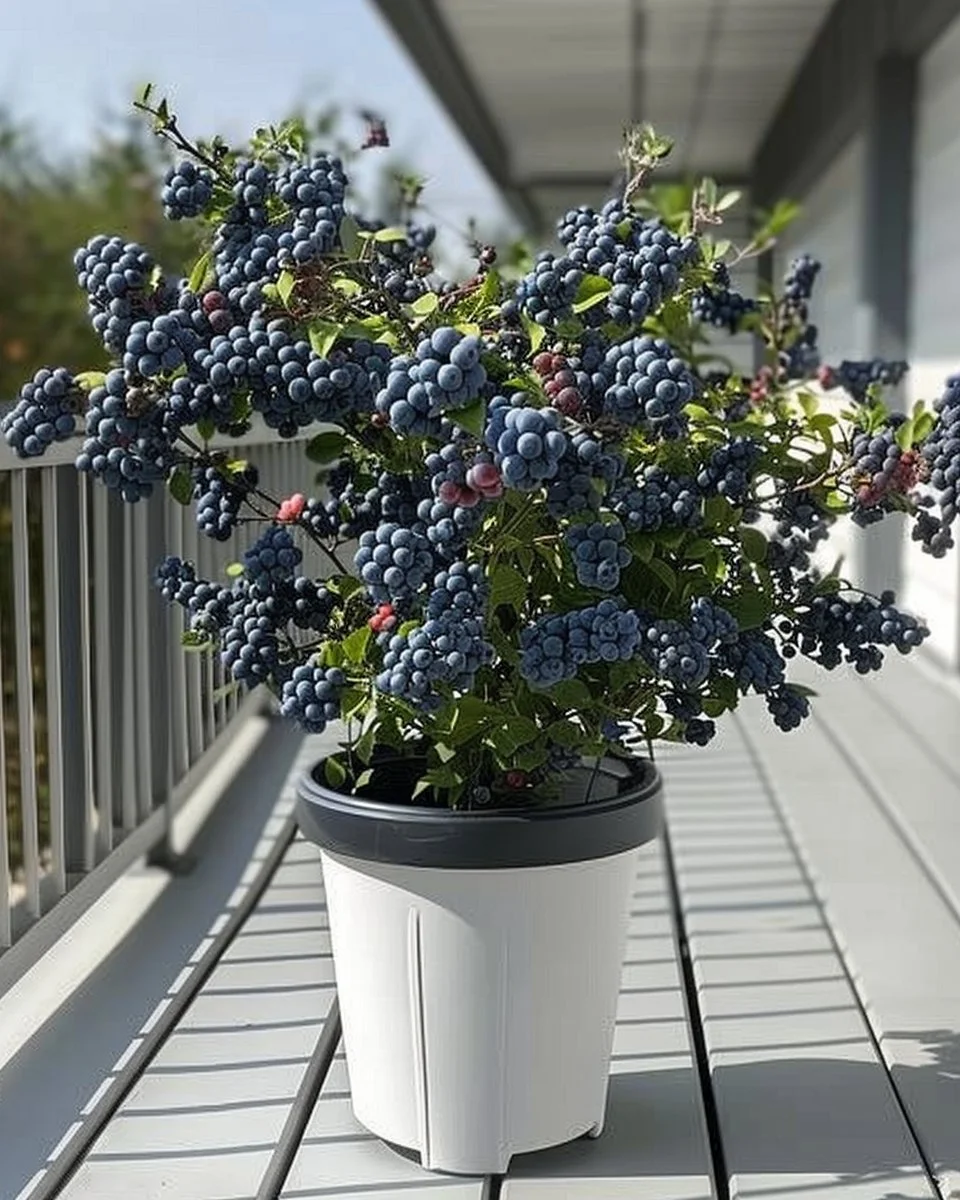
For those limited on space or wanting more control over soil conditions, container gardening offers fantastic opportunities. Choose containers that are at least 18 inches in diameter and deep enough to accommodate the root system of the plants. Use a high-quality potting mix formulated for acid-loving plants to ensure your blueberries get the best start.
Planting Blueberries Successfully
Now that your space is prepared, it’s time to get those blueberries in the ground! Here’s how to plant successfully.
When to Plant
The best time to plant blueberries is in early spring or late fall. This allows the roots to establish before they sprout new growth. If planting in pots, keep an eye on the local frost schedule to avoid freezing temperatures.
How to Plant
Dig a hole that’s about twice the width of the root ball and equally deep. Place the plant in the hole, ensuring that the top of the root ball is level with the surrounding soil. Fill in with soil and water thoroughly to eliminate air pockets.
Spacing Considerations
When planting multiple blueberry bushes, be mindful of spacing. Highbush varieties should be spaced about 4 to 5 feet apart, while lowbush can be placed closer together (about 2 feet apart). This will allow for proper air circulation and light exposure.
Caring for Your Blueberry Plants
Congratulations on getting your blueberries planted! Now, let’s talk about care. Providing the right care ensures that you’ll enjoy endless blueberries for years to come.
Watering Needs
Blueberries like their roots moist but not soggy. A good rule of thumb is to provide an inch of water per week, either from rainfall or supplemental irrigation. During hotter months, check your plants more frequently, as they may require additional watering.
Fertilizing Blueberries
Blueberries benefit from a balanced fertilizer that’s appropriate for acid-loving plants. Fertilize in early spring when new growth begins and again in late spring, following package instructions to avoid over-fertilization. Too much fertilizer can harm your plants instead of helping them.
Pruning Tips
Pruning is essential for maintaining your blueberry plants’ health and encouraging their growth. It’s best to prune in late winter or early spring while the plants are still dormant. Remove any dead or weak branches and thin out crowded areas to improve air circulation and light access. A well-maintained plant is more healthy and productive.
Common Pests and Diseases
Despite their hardiness, blueberries can face challenges from pests and diseases. Some common offenders include:
- Birds: They love blueberries as much as we do! Netting is a simple solution to protect your berries.
- Spider Mites: These tiny pests can cause damage to leaves. Keep an eye out for webbing and consider neem oil for control.
- Powdery Mildew: This fungus can appear as a white powdery substance on leaves. Improve air circulation by proper pruning and treat with appropriate fungicides if necessary.
Keeping your plants healthy and observing them regularly will help you catch problems early before they escalate.
Harvesting and Storing Your Blueberries
After all the care and patience, it’s time to harvest your delicious blueberries!
First, know when to harvest. Blueberries are typically ready for picking when they turn a deep blue color and are slightly soft to the touch. Gently pick them off the plant, being careful not to bruise them.
For storage, freshly picked blueberries can be kept in the refrigerator for up to two weeks. To freeze them, simply rinse, dry, and place them in single-layer on a baking sheet before transferring to a freezer bag. This way, you can enjoy your blueberries year-round!
Tips for Enjoying Your Blueberry Bounty
There are limitless ways to enjoy your fresh blueberries! From smoothies and muffins to simply enjoying them as a quick snack, these berries are versatile. Have you considered making your own blueberry jam or adding them to a fruit salad? They’re even great in savory dishes, balancing out rich flavors beautifully!
A fond memory I have is making blueberry pancakes with my kids using our garden’s bounty. It’s a simple pleasure that brings a smile every time we sit down to enjoy them together. Creating these memories is just as important as the blueberries themselves!
Conclusion
Growing blueberries is a rewarding experience that brings joy and nutrition to your kitchen. Remember, it all starts with choosing the right varieties and preparing your growing space. Providing consistent care, from watering to fertilizing, will ensure your plants thrive. With patience and attention, you’ll soon enjoy an endless supply of these delightful berries right from your backyard. Whether you grow them in a garden or in containers, every step is worthwhile. So roll up those sleeves and get started—you’ll be savoring the taste of homegrown blueberries in no time!
FAQs
How long does it take for blueberry plants to bear fruit?
Most blueberry varieties will start to produce fruit in 2-3 years after planting. Patience is key!
Can I grow blueberries in containers?
Absolutely! Container gardening is a perfect option for blueberries, as long as you provide the right soil and care.
Do blueberries require a lot of maintenance?
They require some attention, especially regarding watering and pruning. However, with regular care, they can be quite easy to maintain.
Do I need more than one blueberry bush to get fruit?
While some varieties are self-pollinating, having at least two bushes can improve fruit yield and size.
What time of year should I prune blueberry bushes?
Prune during late winter or early spring while they are still dormant to encourage healthy growth.