
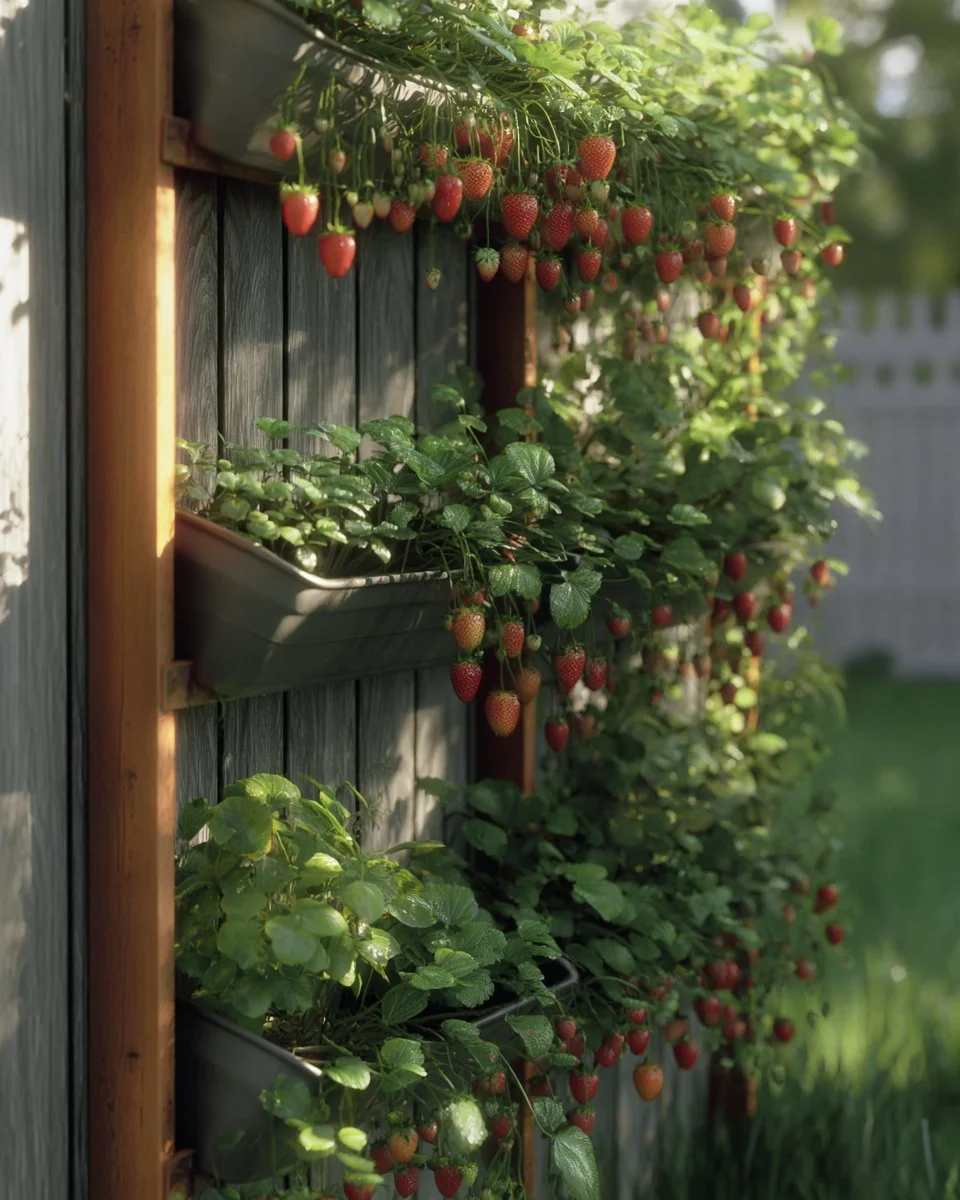
Have you ever looked out at your home and felt that it needed a little more life? I can still remember when I stood on my balcony, gazing at the dull brown building across the street. That’s when I stumbled upon the enchanting concept of vertical gardening. The thought of bringing vibrant greenery and perhaps some homegrown strawberries into my living space was thrilling! This is where the magic truly begins—🍓 Vertical Garden Magic 🌿. In this article, you’ll discover how to transform your small or underutilized spaces into breathtaking gardens filled with colors and aromas. From choosing the right plants to design tips, let’s dive into the wonders of vertical gardening.
Table of Contents
Why Choose Vertical Gardening?
Benefits of Vertical Gardening
Vertical gardening offers a treasure trove of benefits. One of the most appealing reasons is the efficient use of space. If you’ve got a limited backyard or an apartment balcony, planting upwards can create a lush retreat without requiring a lot of horizontal room. Moreover, vertical gardens can improve air quality and provide insulation, creating a healthier home environment.
Perfect for Small Spaces
Have you ever dreamed of growing your food but felt discouraged by limited space? Fear not! Vertical gardening makes it possible. My neighbor, Laura, turned her tiny multi-level patio into a flourishing edible garden using various wall-mounted planters and trellises. It was magical to see how she transformed a space that previously felt cramped into a green sanctuary bustling with life.
Essential Tools and Materials
Choosing Your Planters
To start your vertical garden journey, you’ll need the right planters. Options include wall-mounted pots, pocket planters, or even repurposed wooden pallets. Make sure your chosen planters have adequate drainage to prevent root rot. Brands like Gardeners Supply Company offer a wide variety of innovative vertical planting systems that cater to unique design aesthetics.
Soil and Plants
Selecting suitable soil is as crucial as choosing your planters. A good potting mix, ideally formulated for container gardening, will ensure your plants thrive. When it comes to choosing plants, consider the amount of sunlight the area receives. Herbs like basil and parsley thrive in these setups, along with strawberries—perfect for experiencing 🍓 Vertical Garden Magic 🌿 firsthand!
Planning Your Vertical Garden
Assessing Your Space
Take a moment to analyze the area where you wish to create your vertical garden. Note how much sunlight it receives throughout the day and how wind exposure could impact your plants. By understanding your environmental factors, you can choose the best spots for your plants.
Design Ideas
Once you’ve assessed your space, brainstorm design ideas that suit your style and practicality. You can create a stunning focal point by planting flowers in vibrant colors or even grow cascading herbs that fill the air with delightful scents. Templates like tiered shelves can add a modern touch while maximizing space.
Plant Care Tips
Watering and Feeding
Caring for your vertical garden involves regular watering, especially since vertical setups can dry out faster than traditional gardens. Make sure to establish a routine—most plants will require watering every few days or more often in hotter months. Regularly feeding your plants with a balanced fertilizer can help promote healthy growth.
Common Problems
Keep an eye out for pests and diseases, which can occur in vertical gardens just as they do in traditional settings. Inspect your plants weekly to catch any signs early, and use organic pest control methods when necessary. Remember, the aim is to cultivate not just edible plants but also a thriving ecosystem!
Creative Plant Pairings
Flowers and Herbs
To create a stunning visual display, consider pairing flowering plants with herbs. For example, combining lavender with creeping thyme not only looks gorgeous but also adds pleasing scents to outdoor spaces. As an added bonus, flowering plants can attract beneficial insects such as bees, fostering a healthy garden environment.
Fruit and Vegetables
When it comes to vertical gardening, don’t shy away from growing fruits and vegetables! Climbing plants like pole beans and cucumbers work wonders. Mulching around the base of your vertical garden can retain moisture and minimize weed competition, creating an ideal environment for your plants.
Bringing the Magic Indoors
Indoor Vertical Gardening Options
Creating a vertical garden indoors can be equally enchanting. Living walls, wall-mounted plant pockets, or even vertical garden kits available at home improvement stores can easily facilitate indoor gardening. Choose lower-light plants like pothos or snake plants for areas with less sunlight, while herbs can thrive in a kitchen near the window.
Maintenance Inside
Indoor vertical gardens typically require less maintenance due to stable environmental conditions. However, be mindful of watering needs and humidity levels. Utilizing grow lights can ensure your indoor plants receive adequate light, allowing them to flourish year-round.
Inspiring Success Stories
Real-Life Vertical Garden Transformations
As mentioned earlier, my neighbor Laura’s transformation was truly inspiring, but you don’t have to go far to find others. Communities worldwide have embraced the vertical garden concept, postulating rooftop gardens and apartment building initiatives that breathe life into previously dull urban environments. Many share their experiences online, showcasing stunning before-and-after photos that reveal 🍓 Vertical Garden Magic 🌿 in its fullest glory.
Conclusion
Vertical gardening is not just about growing plants; it’s about creating a personal oasis amidst the chaos of life and urban dwelling. From a small balcony or a narrow wall space, you can surprise yourself with the lushness and abundance achievable through these captivating setups. With the guidance provided here, you can experience this delightful gardening experience yourself. Embrace the 🍓 Vertical Garden Magic 🌿 and let it enhance your living space, promote sustainability, and nourish your soul.
FAQs
What plants are best for vertical gardening?
Plants that grow upwards such as tomatoes, cucumbers, and strawberries work wonderfully, alongside herbs and flowers.
How do I water my vertical garden?
Consider drip irrigation or self-watering planters to ensure consistent moisture without overwatering.
Can I start a vertical garden indoors?
Absolutely! Many indoor plants thrive in vertical setups, so you can enjoy a miniature garden in your living space.
What’s the easiest way to start a vertical garden?
Begin with wall-mounted planters or a trellis with easy-growing plants like herbs or flowers to gain confidence.
How do I care for plants in vertical gardens?
Regularly check soil moisture levels, and fertilize your plants and monitor for pests to maintain health and vibrancy.