
Introduction
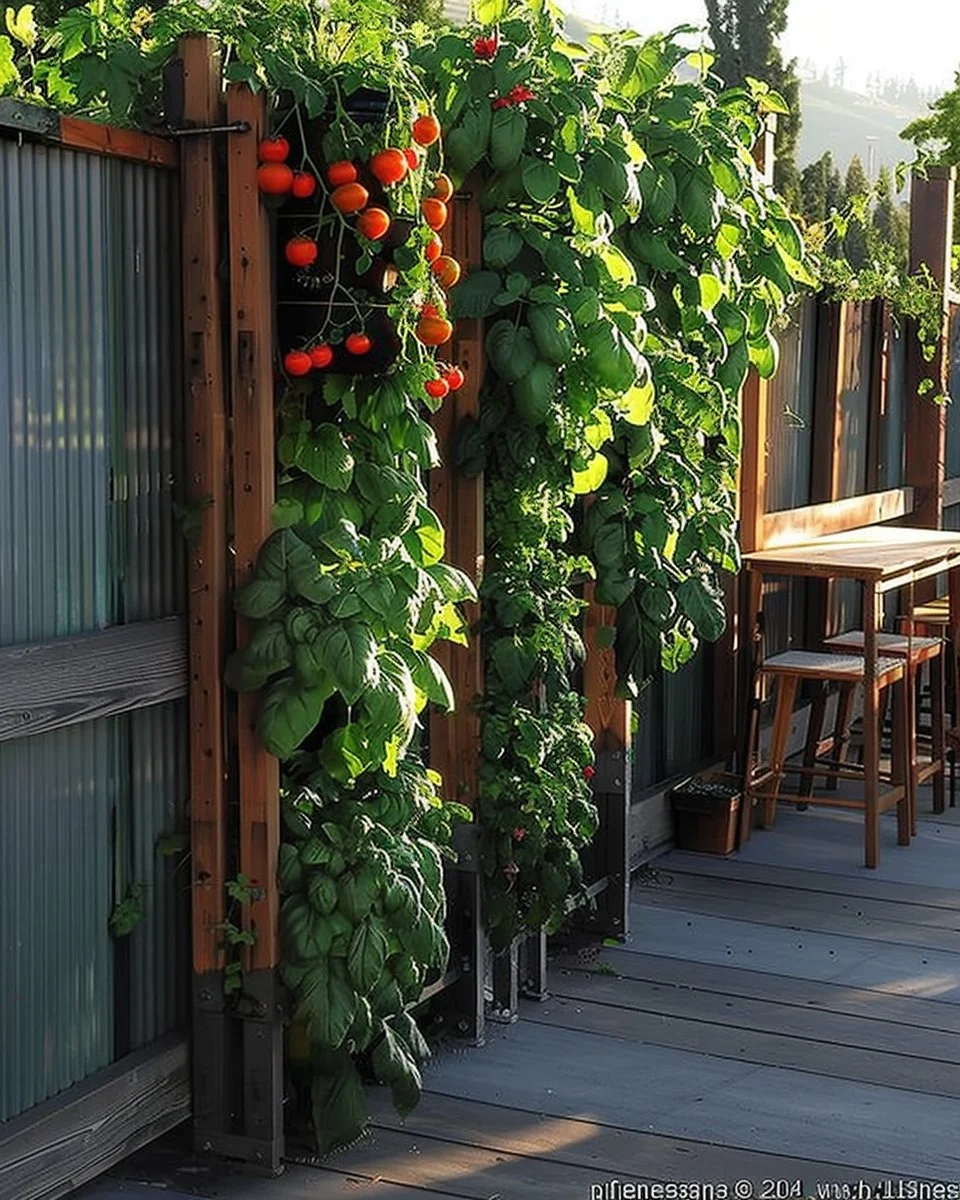
Have you ever felt limited by your gardening space? Many urban dwellers face this challenge, but the good news is that you don’t need a vast backyard to grow your own vegetables. Instead, you can explore the incredible world of a Vegetable Garden Vertical! Vertical gardening is not just a clever space-saving hack; it’s a growing trend that allows even those with minimal space to cultivate lush, productive gardens.
In this guide, we’ll dive deep into the fascinating aspects of vertical gardening. You’ll learn why it’s a fantastic option, how to get started, what vegetables thrive in vertical setups, and practical tips to maintain a healthy garden. By the end, you’ll feel inspired and equipped to transform any small area into a lush vertical oasis. Let’s get growing!
Table of Contents
What Is Vertical Gardening?
Understanding the Concept
Vertical gardening essentially involves growing plants upwards instead of outwards. This innovative approach can be achieved through various methods and structures, such as trellises, wall planters, or even using recycled materials like wooden pallets.
The key advantage of vertical gardening is that it maximizes limited space, making it perfect for patios, balconies, or small yards. By using vertical space, you not only save ground area but also enhance air circulation and light exposure for your plants.
Benefits of Vertical Gardening
Vertical gardens offer myriad benefits beyond just maximizing space. For one, they can significantly reduce the physical strain of gardening. With plants at eye level, you can easily tend to them without having to bend down or kneel. This makes caring for your Vegetable Garden Vertical much more accessible, especially for older gardeners or those with mobility issues.
Moreover, vertical gardens can create a beautiful focal point in your home or yard. Imagine a wall adorned with cascading greens and colorful vegetables! Plus, growing plants vertically can enhance your yield, as many climbing plants, like cucumbers and tomatoes, thrive in this setting.
Best Vegetables for Vertical Gardening
Leafy Greens
When it comes to leafy greens, varieties like spinach, lettuce, and Swiss chard are excellent candidates. They have shallow roots and don’t need extensive soil depth, making them perfect for vertical planters. You can place them in wall-mounted planter boxes or hanging pots for a fresh green view.
Fruiting Vegetables
Fruiting vegetables such as tomatoes, cucumbers, and beans are not only delicious but also ideal for vertical gardening. Many of these plants naturally grow upwards, so providing support with trellises or cages can help them flourish. For instance, indeterminate tomato varieties can grow quite tall, producing fruit throughout the season if pruned and trained properly.
Herbs and More
Don’t forget about herbs! Basil, parsley, and rosemary thrive in vertical arrangements, and they contribute to both aesthetics and flavor in your dishes. You can easily incorporate them into a vertical garden alongside your vegetables for a delightful mix.
Designing Your Vertical Garden
Choosing the Right Structure
When planning your Vegetable Garden Vertical, consider your available space and materials. There are countless structures you can create or buy, including tiered planters, vertical garden kits, and even repurposed shoe organizers! Each can work differently depending on the type of vegetables you choose.
If you’re handy, create a custom wooden frame with built-in shelving to hold pots, creating a rustic charm in your garden. Alternatively, consider using a metal trellis or fence as a backdrop for climbing plants.
Planning Your Layout
Before you start planting, it’s essential to plan your layout thoughtfully. Make sure to group plants with similar watering and sunlight needs together. For example, leafy greens usually prefer cooler temperatures and less direct sunlight, while many fruiting vegetables thrive in full sun.
Consider also the growth habits of your plants; some might shade others as they grow taller. By planning ahead, you can ensure that every plant receives adequate light and space.
Maintenance Tips for Your Vertical Garden
Watering Techniques
Maintaining moisture levels in a vertical garden can be a bit different than in traditional beds. Vertical arrangements often dry out more quickly due to increased air circulation. Regular monitoring is key! Use a drip irrigation system or a self-watering planter to help keep your plants hydrated.
Pest Management
Pleasingly, even with vertical gardens, pest management is manageable. Use companion planting, where you plant certain species together to deter pests naturally. For example, marigolds can repel aphids that often go after tomatoes. Don’t hesitate to inspect your plants regularly for any signs of pests or diseases.
Creative Vertical Garden Ideas
Wall-mounted Solutions
Wall-mounted gardens are incredibly trendy and functional. You can use pockets made of felt or types of plastic that can hold soil. Not only do these gardens look fantastic, but they also give residents and visitors a slice of nature in urban settings.
Use of Containers
Another creative approach involves the use of containers. Stacked pots or hanging baskets can beautifully showcase your plants. Be imaginative! Colorful pots can serve not just as containers, but also as decorative elements for your Vegetable Garden Vertical.
Troubleshooting Common Issues
Overwatering and Root Rot
Overwatering is a common mistake in vertical gardens. Plants with inadequate drainage may suffer from root rot, which can quickly kill your vegetables. Ensure that whatever container or system you use has proper drainage holes, and always monitor soil moisture levels before watering.
Light and Temperature Problems
Pay attention to sunlight and temperature variations in your vertical garden. Some plants are more sensitive to heat and light than others. If you notice yellowing leaves or slow growth, consider adjusting the positioning of your plants or adding shade cloth during hot summer days.
Conclusion
Creating a Vegetable Garden Vertical not only maximizes your limited space but also enhances the beauty of your surroundings while encouraging your love of gardening. With the tips and guidance provided here, you’re on your way to cultivating a vibrant and fruitful vertical garden. Remember to enjoy the journey and take pride in every leaf and fruit you grow. Happy gardening!
FAQs
What type of soil is best for vertical gardening?
Use a lightweight, well-draining potting mix that retains moisture but allows for aeration.
How often should I water my vertical garden?
Monitor the moisture levels frequently, but a general rule is to water when the top inch of soil feels dry.
Can I grow flowers in my vertical vegetable garden?
Absolutely! Flowers can attract beneficial insects, and many edible flowers are also delightful additions to salads.
What’s the best height for a vertical garden?
Aim to create your vertical garden at a height that you can easily reach, typically between 3 to 6 feet.
How do I prevent pests in my vertical garden?
Utilize companion planting, natural insect repellents, and check regularly for signs of pests to manage problems early on.