
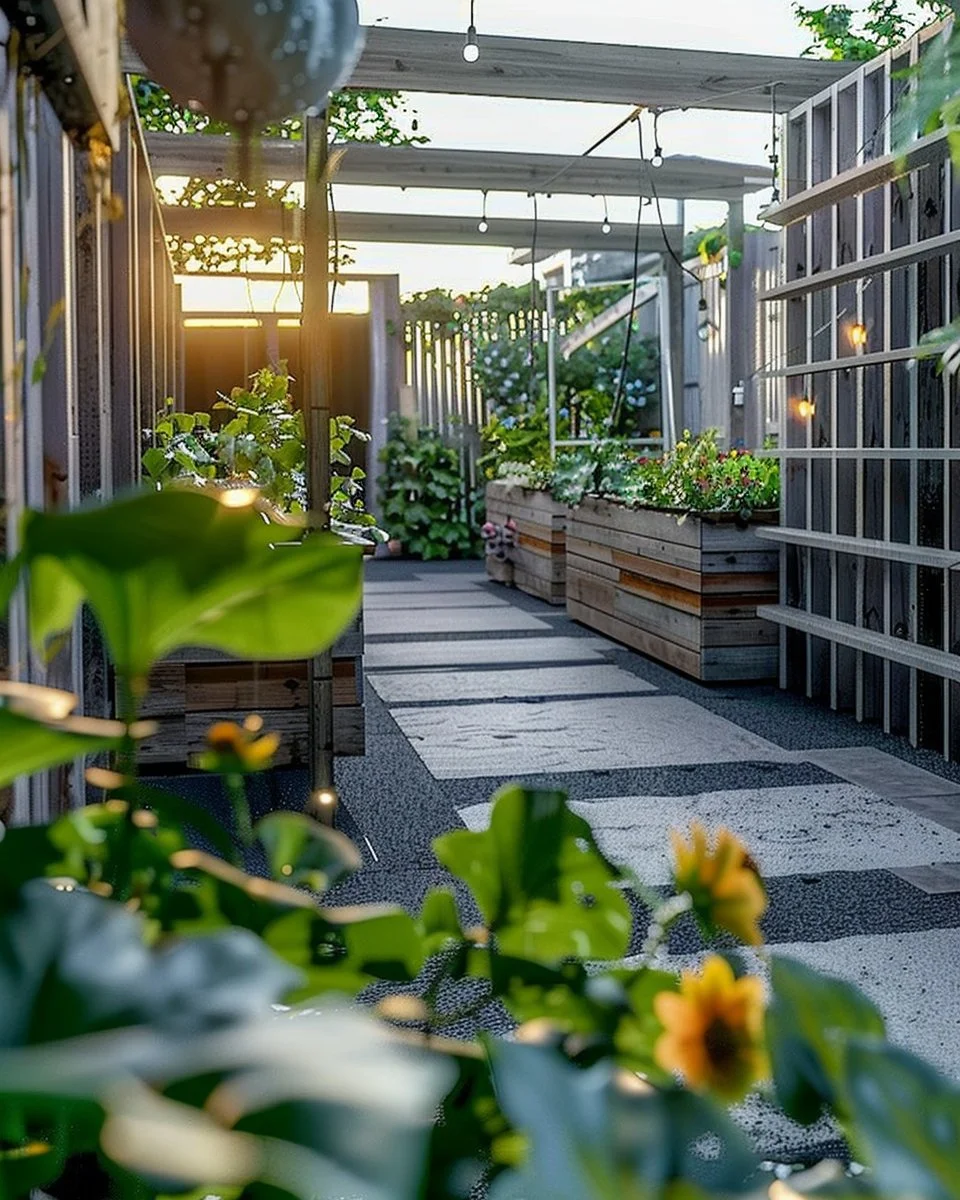
Introduction
Have you ever envisioned a vibrant garden flourishing right on your patio, brimming with veggies ready for harvest while adding charm to your outdoor space? For many city dwellers, the idea of growing your own food might seem daunting due to limited space, but thanks to clever Urban Gardening Solutions: Creating a Small Patio Veggie Garden – Quiet Minimal, achieving this dream is entirely possible. In this guide, we’ll explore practical strategies to turn your small patio into a green haven where fresh produce thrives amidst the hustle and bustle of urban life.
Table of Contents
Choosing the Right Containers for Your Garden
When it comes to urban gardening, your choice of containers will have a profound impact on your plants’ success. Using the right pots not only maximizes your space but also enhances your garden’s aesthetic.
Types of Containers
From terracotta pots to recycled wooden crates, the variety of containers you can employ is vast. Terracotta is favored for its durability and breathability, while plastic containers can be lightweight and colorful additions. If you’re feeling crafty, consider using old pallets or wine crates to create unique planters.
Soil Selection for Pots
It’s crucial to use high-quality potting soil that retains moisture but also drains well. A mix of peat moss, perlite, and compost can create an ideal environment for your plants. Remember to check for drainage holes in your containers—without drainage, roots can rot quickly, jeopardizing your hard work.
Selecting Veggies That Thrive on Patios
Not all vegetables are created equal, especially when it comes to limited gardening spaces. Choosing the right plants can make all the difference.
Best Vegetables for Small Spaces
Opt for compact varieties that grow well in containers. Herbs such as basil and parsley, as well as vegetables like cherry tomatoes, compact peppers, and radishes, are excellent choices. They not only fit well in smaller spaces but also provide ample yield with little effort.
Companion Planting Tips
Companion planting can further enhance your gardening success. For example, planting basil next to tomatoes can improve flavor while repelling pests. Exploring these relationships can lead to an even more productive garden.
Designing Your Patio Garden Layout
Your patio layout is not only a matter of aesthetics but also of functionality. Creating an efficient layout can help maximize your yield.
Vertical Gardening Ideas
If your patio is limited in square footage, consider vertical gardening solutions. Using wall-mounted planters, trellises, or even hanging pots can help you utilize vertical space creatively. Climbing plants like peas or cucumbers can make great use of the upward space.
Seasonal Planting Strategies
In addition to thinking vertically, be mindful of the seasons. Fall is the perfect time to plant garlic, while spring can be excellent for leafy greens like kale. Understanding what grows best in different seasons can help you maintain a year-round patio garden.
Maintenance Essentials for a Healthy Garden
A flourishing garden requires regular care, but adopting an efficient maintenance strategy can simplify your workload.
Watering and Fertilizing
Consistency is key when it comes to watering. Ensure that your pots are regularly checked for soil moisture, and err on the side of caution by watering earlier in the day. Fertilizing every month with a balanced organic fertilizer can keep your plants nutritionally supported.
Pest Control Methods
While gardening brings joy, pests can be a gardener’s greatest adversary. Natural pest control methods, like introducing beneficial insects or using neem oil, can help manage issues without harsh chemicals.
Benefits of Urban Gardening
Creating a small veggie garden on your patio isn’t just about growing food; it also comes with a multitude of benefits.
Environmental Impact
Urban gardens help in reducing carbon footprints by providing fresh produce while decreasing the need for store-bought items that often come with excessive packaging. What’s even better is that they can promote biodiversity in often eco-constricted city areas.
Personal Health Advantages
Gardening has been shown to reduce stress, boost moods, and encourage physical activity. Plus, the satisfaction of picking fresh veggies for dinner is unbeatable. Have you ever tried growing something from seed-only to see it thrive? The rewards are truly fulfilling.
Inspirational Success Stories
Sometimes, seeing what others have accomplished sparks motivation for our own success.
Real-Life Garden Transformations
Take a look at urban dwellers who turned their concrete jungles into lush sanctuaries. One couple in a city apartment transformed their mini balcony into a full-blown herb and salad garden, producing meals from scratch. Their success story could be just the inspiration you need to get started!
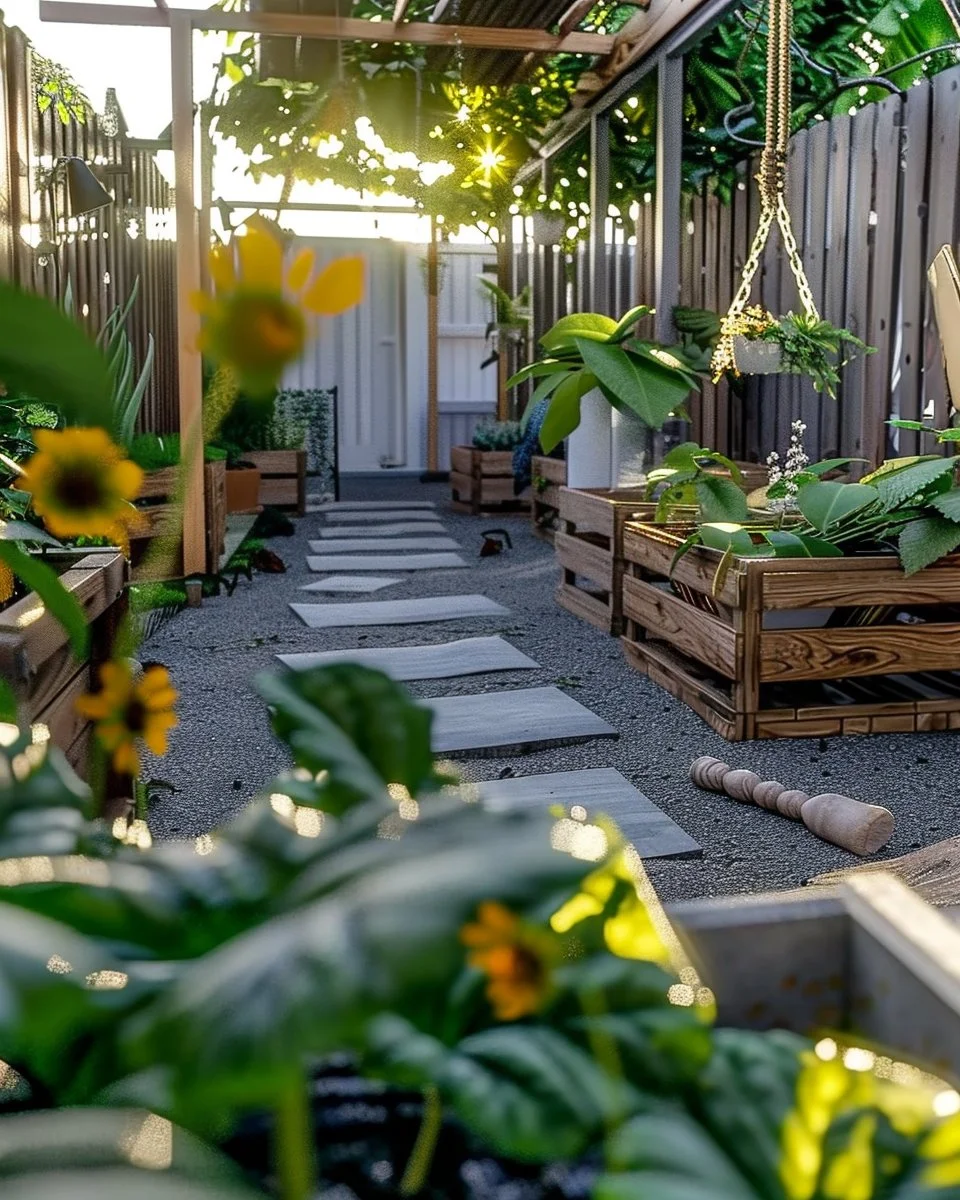
Conclusion
Creating a small patio veggie garden may seem like a scarce resource in urban settings, but with urban gardening solutions tailored for quiet minimalism, you can turn your small outdoor space into a flourishing retreat. By choosing the right containers, selecting suitable vegetables, plotting a thoughtful layout, and maintaining your garden effectively, you can enjoy the fruits of your labor. So why wait? Your urban oasis awaits!
FAQs
Q: What should I do if my patio gets little sunlight?
A: Choose shade-tolerant veggies such as leafy greens, or consider adding reflective surfaces to enhance light conditions. Indoor growing lights can also be a great asset!
Q: How often should I water my container plants?
A: Container plants typically require more frequent watering than ground gardens. Check the soil daily, especially in hot weather, and water when the top inch feels dry.
Q: Can I grow fruit on my patio?
A: Yes! Dwarf fruit trees or berry bushes can thrive in containers, making them great for patio gardening.
Q: What’s the best way to prevent pests in a small garden?
A: Regularly inspect your plants and use organic methods like neem oil, companion planting, or introducing ladybugs to keep pests at bay.
Q: How can I keep my patio garden looking neat?
A: Regularly prune plants and tidy up any dead leaves or debris. Using attractive containers can also help maintain a polished look.