
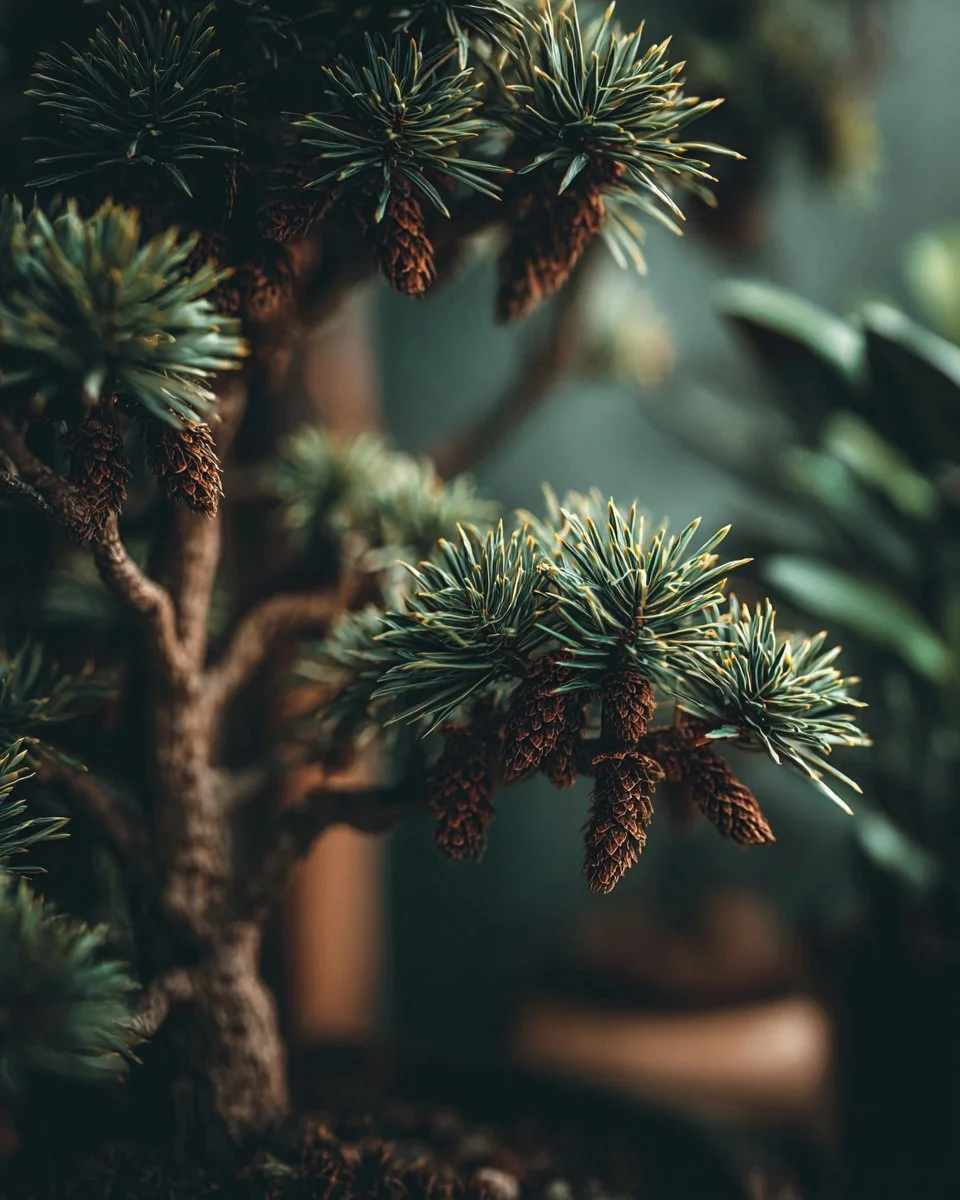
Have you ever walked through a botanical garden or a friend’s home and marveled at the beauty of miniature trees? These tiny wonders, often referred to as bonsai or indoor miniature trees, can elevate your interior space into a lush, tranquil oasis. The Secret to Growing Miniature Trees Indoors not only involves some basic botany but also an appreciation for the art of nurturing miniature plants. In this guide, you’ll learn about watering, lighting, pruning, and everything in between to help your indoor trees thrive and bring joy to your living area.
Table of Contents
Understanding Miniature Trees
What Are Miniature Trees?
Miniature trees, or bonsai, are more than just small versions of regular trees. They are cultivated through careful artistic techniques to create a striking visual effect that mimics the grandeur of full-sized trees in nature. It’s fascinating to note that some of these trees can live for decades, with some even surpassing a hundred years! While they may be small, the beauty and depth of these trees cover a wide spectrum of species, care techniques, and artistic representations.
Popular Types to Consider
When embarking on your journey to grow miniature trees indoors, you might consider several popular species such as the Ficus, Juniper, or Chinese Elm. Each species has unique care requirements and visual implications, so it’s crucial to find one that aligns with your indoor environment and personal aesthetic preferences.
Light Requirements for Indoor Miniature Trees
Natural vs. Artificial Light
Light plays a pivotal role in the health of your miniature trees. Most species thrive on bright, indirect sunlight. However, if your home lacks sufficient natural light, don’t fret! You can use grow lights to ensure your trees receive the necessary light. The rule of thumb is that if you can read a book comfortably in that light, it’s typically suitable for your miniature trees.
Best Locations in Your Home
Consider placing your miniature trees near south or west-facing windows for optimal light exposure. If you’re wondering where that perfect spot might be, pay attention to the areas in your home where plants have thrived before. Each tree species may have varying light preferences, so choose a location that aligns with their needs.
Watering Your Miniature Trees Effectively
Signs of Overwatering and Underwatering
Watering can be tricky with miniature trees. Overwatering is a common mistake—look for yellowing leaves or root rot, which is often the first sign that something is amiss. On the other hand, if the leaves are crispy and brittle, your tree is likely thirsty. A wooden chopstick can be a handy tool; insert it into the soil, and if it comes out dry, it’s time to water.
Seasonal Watering Adjustments
During the summer, your mini trees may require more frequent watering as they absorb more moisture due to warmer temperatures. Conversely, in the winter months, reduce watering. A general rule is to check the soil weekly, adjusting based on environmental conditions.
Soil and Fertilization for Healthy Growth
Best Soil Mixes for Miniature Trees
Providing your miniature trees with the right soil is crucial. Use a well-draining mix, often containing a blend of organic compost, perlite, and akadama. This combination ensures that moisture levels are balanced, allowing roots to breathe without retaining excess water.
Fertilizer Types and Schedules
Feeding your miniature trees is essential during the growing season (spring and summer). A balanced liquid fertilizer diluted to half strength can do wonders. As a tip, you might consider switching to a fertilizer high in potassium during flowering seasons to promote robust growth and beautiful blooms.
Pruning and Shaping Techniques
When to Prune Your Trees
Pruning is a vital component in shaping your miniature trees, helping maintain their size and encourage growth. Most trees should be pruned in early spring when they awaken from dormancy. Look for branches that disrupt the tree’s silhouette or any dead areas that need attention.
Techniques for Shaping and Styling
There are numerous techniques to shape your tree, including wire training and clip-and-grow methods. If you’re new to this, start with simpler techniques like selective pruning. As you get more comfortable, you’ll enjoy exploring more intricate styles to create a unique piece of living art.
Common Pests and Problems
Identifying Pests on Miniature Trees
Just like bigger trees, miniature trees can face pest issues. Common offenders include spider mites, aphids, and scale insects. Regular inspections will help catch infestations early. If you notice any pests, isolate the affected tree to prevent spreading.
Solutions for Common Issues
For minor infestations, a simple solution might be soapy water sprays or neem oil, which are plant-friendly and effective. However, with larger infestations or peculiar issues, consider consulting with a local nursery for tailored advice.
Conclusion
Growing miniature trees indoors can be a deeply rewarding hobby that enhances your living space with lush greenery and an element of artistry. Remember, The Secret to Growing Miniature Trees Indoors lies in understanding individual species’ needs, providing the right light, water, and nutrients, and maintaining them with mindful care. If you cultivate patience, your miniature trees can flourish and be a delightful addition to your home for years to come.
FAQs
What is the best indoor miniature tree for beginners?
Ficus is often recommended for beginners due to its forgiving nature and resilience.
How often should I water my miniature tree?
Watering frequency depends on the species and season, but checking weekly is a good start.
Do miniature trees need special soil?
Yes, a well-draining soil mix is crucial for the health of miniature trees.
Can I keep my miniature tree outside during the summer?
Some miniature trees might thrive outdoors in summer, but always check their specific needs first.
What type of fertilizer should I use for my miniature tree?
A balanced liquid fertilizer diluted to half-strength during the growing season works well.