
Introduction
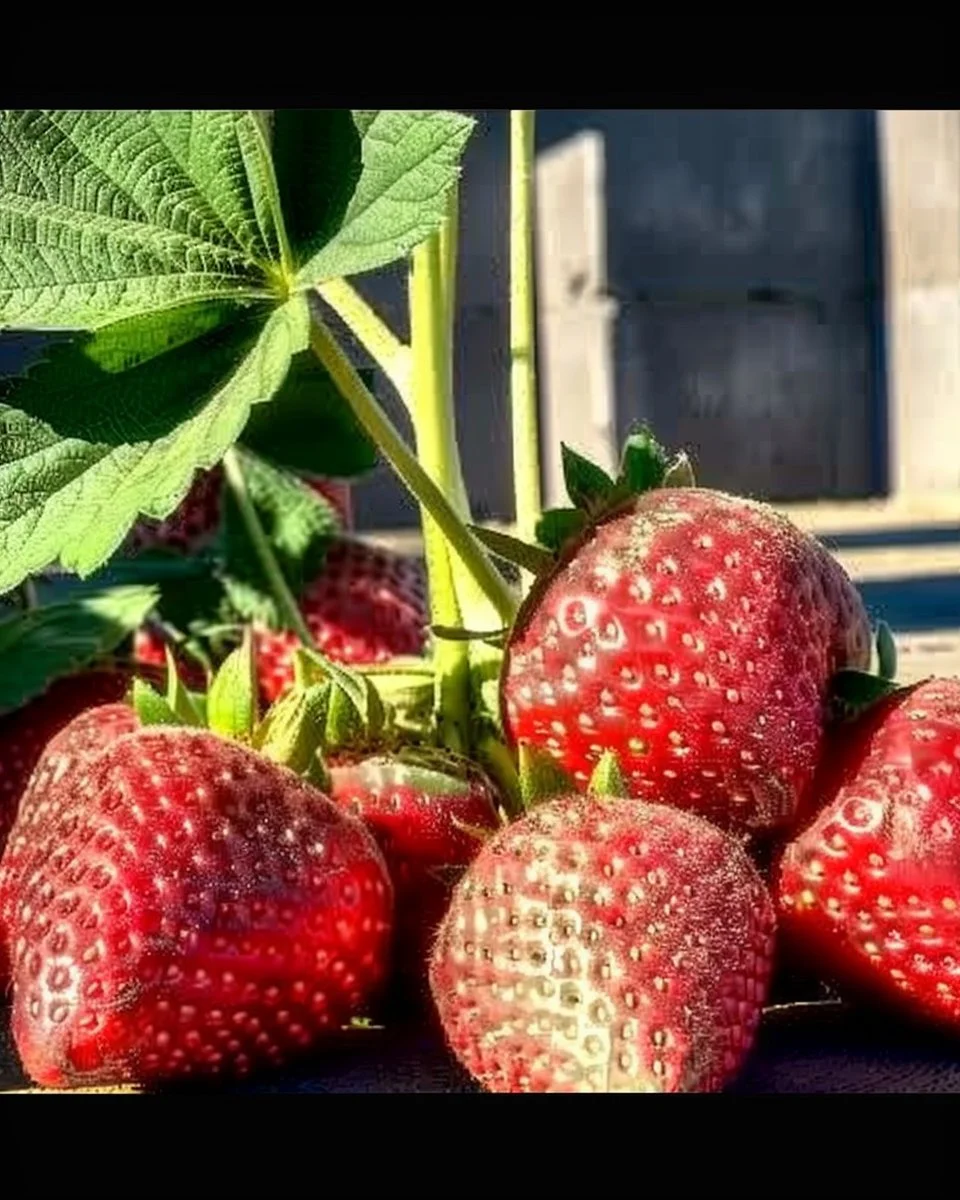
If you’ve ever bitten into a juicy, sun-ripened strawberry straight from the garden, you know the sheer joy it brings. The vibrant red hue and sweet flavor are more than just delicious; they evoke childhood memories of warm summer days chasing fireflies or picking berries with friends. Growing strawberries not only offers that sweet reward but also enhances your homestead with beauty and bountiful harvests. In this guide, I’ll share essential Strawberry Garden Tips for Homesteading and Bucket Gardening- Vegetable Gardening, helping you grow these delectable fruits right in your backyard or a simple bucket. We’ll cover everything from the best varieties to soil preparation and even pest management. So, grab your gardening gloves, and let’s cultivate some strawberries!
Table of Contents
Choosing the Right Strawberry Varieties
When it comes to growing strawberries, the first step is selecting the right variety for your garden. Each type has its unique characteristics that can influence your growing experience.
June-Bearing Strawberries
June-bearing strawberries produce one big harvest in late spring to early summer. These are perfect for gardeners looking to can or freeze the fruits. Varieties like ‘June-bearing’ and ‘Chandler’ are popular choices. The focused harvest makes them an excellent option for those looking to preserve their bounty.
Ever-Bearing Strawberries
If you want a steady supply of strawberries throughout the summer, then ever-bearing strawberries might suit your needs. Varieties like ‘Ozark Beauty’ and ‘Quinault’ produce smaller yields but continuously throughout the growing season. This means more fresh fruit available for snacking on those warm afternoons!
Day-Neutral Strawberries
Day-neutral strawberries are the all-stars of flexibility—yielding fruit regardless of day length. These plants can produce from late spring until frost, making them a favorite for many gardeners. The ‘Seascape’ variety is known for its exceptional flavor and reliability.
Preparing Your Garden Soil
Healthy strawberries start with properly prepared soil. Let’s look at how to set the stage for these luscious fruits to thrive.
Testing Your Soil
Before planting, it’s wise to test your soil pH. Strawberries thrive best in a slightly acidic soil, ideally between 5.5 and 6.8. You can find affordable home testing kits at garden centers. Knowing your soil’s composition will guide any amendments needed for optimal growth.
Enriching with Organic Matter
To create a nutrient-rich environment, amend your soil with organic matter such as well-rotted compost or aged manure. This not only boosts nutrients but also improves soil structure, promoting better drainage and aeration. Aim for a compost layer of about 2-4 inches mixed into the top 12 inches of soil.
Ensuring Proper Drainage
Strawberries hate being watered in muddy soil. Make sure your garden plot has good drainage—consider raised beds if your soil tends to retain water. You can test drainage by digging a hole, filling it with water, and timing how long it takes to drain. If it takes longer than 24 hours, you may need to rethink your planting area.
Container Gardening for Strawberries
Bucket gardening offers an easy solution for those with limited space. You can enjoy the beauty and taste of strawberries even on a small balcony!
Selecting the Right Bucket
When choosing containers, look for buckets with a minimum depth of 12 inches and adequate drainage holes. This helps prevent water from sitting at the bottom while providing enough room for the roots to grow. Plastic containers work well, but wooden ones can add aesthetic appeal.
Soil Mixture for Containers
Create a potting mix specifically for strawberries by combining equal parts of potting soil, compost, and perlite. This mix ensures good drainage while providing the necessary nutrients. Fill your buckets about three-quarters full, giving plants enough space to spread their roots.
Watering Techniques
Container plants tend to dry out faster than ground-planted ones, especially in hot weather. Water your strawberries deeply when the topsoil feels dry to the touch—usually every few days in the summer. Drip irrigation systems work wonders for consistency, but if you’re hand-watering, ensure you soak the soil evenly.
Planting and Caring for Strawberry Plants
Planting may seem straightforward, but a few critical steps can ensure vigorous growth.
Planting Times and Techniques
The best time to plant strawberries is typically in early spring or late fall. For bare-root plants, ensure you soak them in water for a few hours before placing them in prepared soil. Make sure that crown—that part of the plant where the roots meet the leaves—sits just above the soil surface to prevent rot.
Regular Maintenance Tasks
After planting, regular maintenance becomes key. Water consistently during dry periods, and fertilize with a balanced fertilizer every few weeks during the growing season. A layer of mulch can help retain moisture and suppress weeds—a win-win for gardeners!
Using Mulch
Straw or shredded leaves make excellent mulch for strawberries. Mulch helps conserve soil moisture, keeps the soil temperature stable, and reduces weed growth. Apply a 2-3 inch layer around the base of your plants.
Pest and Disease Management
No gardener wants to deal with pests, but it’s an unfortunate part of the process. Here are some common culprits and how to deal with them.
Common Strawberry Pests
Aphids, spider mites, and slugs are common pests that can wreak havoc on your strawberries. Watch for signs like distorted leaves or pest trails. You can remove small populations by spraying the leaves with a strong jet of water.
Organic Pest Control Methods
Try creating insecticidal soap using a few drops of dish soap mixed with water to combat larger infestations. Neem oil is another holistic option that helps manage a broad spectrum of pests while promoting a healthy garden ecosystem.
Recognizing Diseases
Be on the lookout for signs of fungal diseases, such as powdery mildew and root rot. Good air circulation and proper watering practices can help prevent these issues. If you notice any signs of disease, remove affected plants immediately to prevent spreading.
Harvesting and Storing Strawberries
Once your plants begin to bear fruit, the excitement builds! Here’s how to harvest most effectively.
Signs of Ripeness
Fully ripe strawberries are brilliant red with no green patches. They should be firm but slightly soft to the touch. Unlike some fruits, strawberries won’t continue to ripen significantly after being picked, so wait until they’re perfectly ripe for the best flavor.
Best Harvesting Practices
Use scissors to cut the stem a few inches above the fruit to prevent damaging the plant. Gently twist or pull the berry until it releases from the stem. If you’re harvesting multiple buckets, keep your containers cool and shaded during the process to maintain fruit quality.
Storage Tips for Fresh Strawberries
Store unwashed strawberries in the refrigerator for up to a week. For longer storage, consider freezing them. Wash, hull, and slice your berries, then spread them out on a baking sheet to freeze before transferring them to a sealed container. This prevents them from clumping together when stored.
Enjoying Your Strawberry Harvest
After all that hard work, it’s time to get creative with your strawberry bounty!
Recipe Ideas
Whip up strawberry shortcake, smoothies, or homemade jams to share with family and friends. Have you tried making a strawberry glaze for meats? The sweet, tangy flavor pairs surprisingly well with grilled chicken!
Preserving Your Strawberries
Canning and freezing are excellent ways to make your strawberry harvest last. Jam-making can also be a fun activity; gather your loved ones for a “strawberry canning party” and enjoy the fruits of your labor all year round.
Common Mistakes to Avoid
Even experienced gardeners make mistakes sometimes. Here are a few to steer clear of:
- Overwatering or allowing the soil to dry out too much—find a balance!
- Planting too close together, leading to competition for nutrients. Ensure adequate spacing (about 12-18 inches apart).
- Neglecting pest assessments—regularly inspect plants for signs of trouble.
Conclusion
Growing strawberries can bring waves of joy, memorable moments, and delicious treats right to your plate. Remember, the journey from planting to harvest involves a few essential steps, but with the Strawberry Garden Tips for Homesteading and Bucket Gardening- Vegetable Gardening shared here, you’re well on your way to becoming a strawberry-growing expert. Enjoy the process, savor the sweet rewards, and don’t hesitate to share your strawberries (or recipes) with your community!
FAQs
What is the best way to fertilize strawberry plants?
Use a balanced fertilizer high in potassium, applied every few weeks. Organic options like compost also work well!
How often should I water my strawberry plants?
Water regularly, about every 3-4 days during dry spells, ensuring the soil remains moist but not soggy.
Can I grow strawberries indoors?
Absolutely! As long as they have sufficient sunlight (at least 6 hours a day), strawberries can flourish indoors in pots.
Do I need to deadhead strawberry flowers?
Not usually, as strawberries will divert energy to fruit instead of just flowers. However, remove any damaged or mushy fruit to encourage healthy growth.
How long do strawberries typically produce fruit?
Once established, strawberry plants can produce for 4-6 years, though yields may decline over time. Ensure good care to maximize their lifespan!