
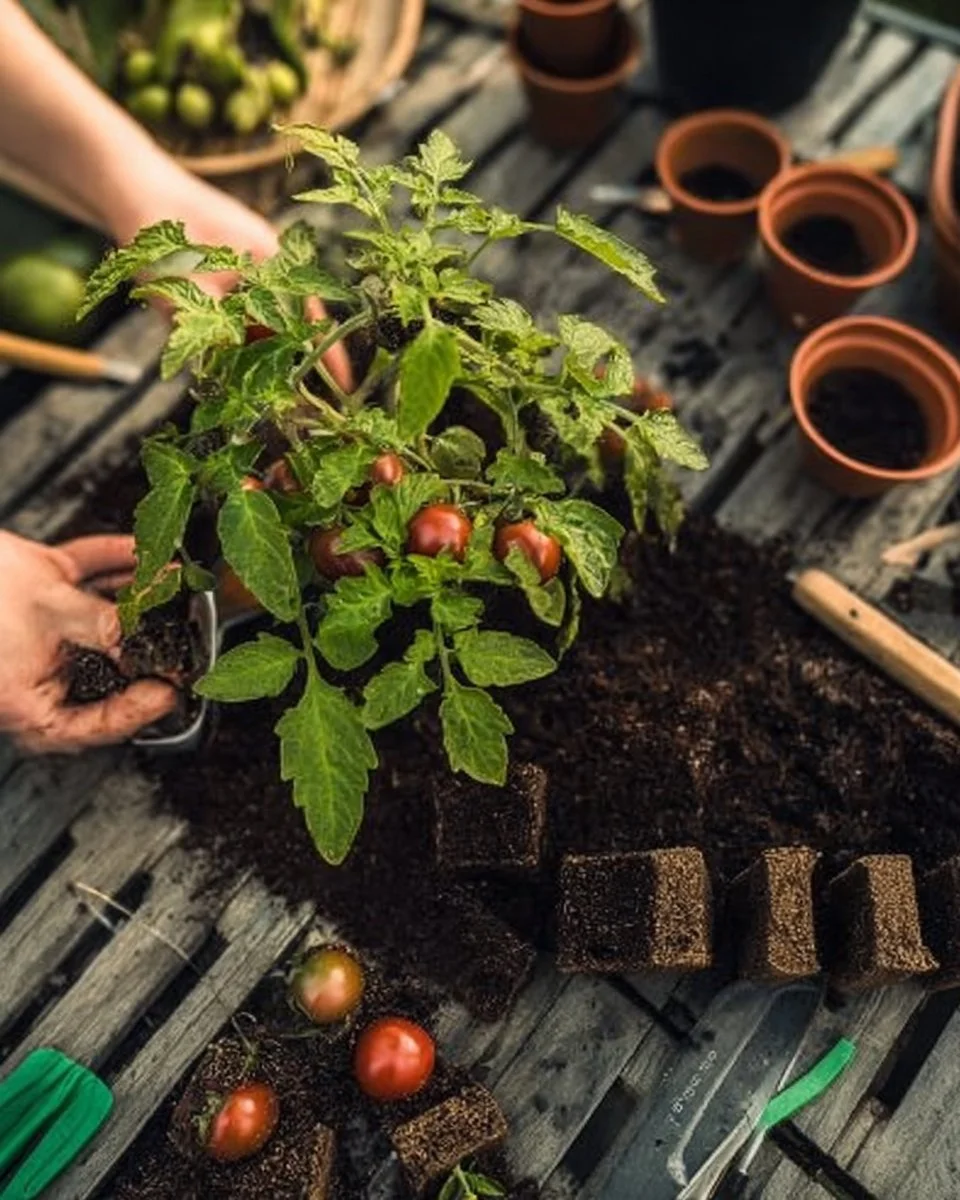
Introduction to Simple Ways to Save Money in Your Garden: 10 Must-Try Tips
Gardening can be a rewarding hobby that also challenges the wallet. While the joy of growing your own plants and vegetables is undeniable, the costs can accumulate quickly. Have you ever wondered how you can cultivate your lush paradise without breaking the bank? Enter “Simple Ways to Save Money in Your Garden: 10 Must-Try Tips.” This project is specially designed to help you cut costs and maximize your garden’s potential.
This guide is practical, affordable, and caters to DIY enthusiasts of all skill levels. You don’t need to be a professional gardener to implement these strategies. Whether you’re a novice gardener wanting to start small or a seasoned pro looking to enhance your current strategies, this guide has something for everyone. From growing your own seeds to smart composting techniques, these tips will help you save money while enjoying the process of gardening.
The beauty of implementing these strategies is that they not only save you money but also enhance your gardening experience. You will learn how to make the most of your resources, often using what you already have at home. Best of all, these tips can be applied whether you are gardening indoors or outdoors. Get ready to dive deep into the world of cost-effective gardening while nurturing your creative side!
Table of Contents
Key Benefits of Simple Ways to Save Money in Your Garden: 10 Must-Try Tips
Why You’ll Love This Build
- Cost-Effective: Implementing these tips can significantly lower your gardening expenses.
- Sustainable: Many suggestions promote environmentally friendly practices.
- Flexible: These strategies can be adapted to suit any garden size or type.
- Educational: Learn valuable gardening skills that enhance your knowledge.
- Community-Building: Sharing tips encourages community involvement among local gardeners.
What Makes It Stand Out
This guide shines when it comes to originality and practicability. Many gardening tips you find in stores focus solely on products. In contrast, Simple Ways to Save Money in Your Garden emphasize resourcefulness and creativity. Customization is key—these strategies can be tailored to suit individual needs, like growing herbs or annual flowers specific to your climate.
Utilizing homemade compost bins, DIY garden planters, and seed swaps are just a few examples of where you can shine compared to store-bought alternatives. Plus, these tips encourage collaboration with friends and community, making gardening an engaging and social activity.
Project Specs for Simple Ways to Save Money in Your Garden: 10 Must-Try Tips
At-a-Glance Details
- Skill Level: Beginner to Intermediate
- Estimated Time: Varies per tip (1 hour to several weeks)
- Estimated Cost (USD): $0-$50 depending on chosen methods
- Dimensions: N/A (methods adaptable to space)
- Indoor/Outdoor Suitability: Mostly outdoor, some indoor
- Tools Needed at a Minimum: Scissors, trowel, container, and ruler.
Materials and Tools for Simple Ways to Save Money in Your Garden: 10 Must-Try Tips
Complete Materials List with Measurements
- Containers: Used pots or recycled materials (various sizes).
- Seeds: Heirloom seeds (bulk purchase recommended).
- Compost Material: Kitchen scraps (vegetable peels, coffee grounds).
- Mulch: Shredded leaves or grass clippings.
- Soil: Garden soil or potting mix (as needed).
- Watering Can: Any container that holds water.
Complete Tools List
- Trowel: For planting and soil mixing.
- Scissors: To cut plant materials.
- Ruler: For accurate measurements in planting rows.
- Gloves: Essential for handling dirt and compost.
- Shovel: For larger garden beds.
Substitutes and Alternatives
If you’re short on some materials, consider alternatives like using cardboard as mulch instead of commercial options. For seeds, ask friends or local gardening groups for excess seeds to reduce costs. Creating your own compost can save on soil amendments—use kitchen scraps, yard waste, and even paper products that are free of ink.
When it comes to tools, borrowing from friends or neighbors is a great way to save. Alternatively, you can check local second-hand shops for budget-friendly options.
Cut List and Measurements for Simple Ways to Save Money in Your Garden: 10 Must-Try Tips
While this project doesn’t include complex cuts, here are some general measurements for effective garden layouts:
- Row spacing: 12-18 inches (30-46 cm)
- Plant spacing: Varies by species (typically 6-24 inches or 15-60 cm)
- Height of raised beds: 12-24 inches (30-61 cm)
Safety and Prep for Simple Ways to Save Money in Your Garden: 10 Must-Try Tips
Safety is a priority when working in the garden, even when it seems simple. Always wear gloves to protect your hands from potential irritants and bacteria. If you’re handling any tools, make sure you understand how to operate them safely and efficiently.
Before getting started, set up your workspace in a well-ventilated area. Ensure that you clarify measurements for garden beds and plant placements from the start of your project—this will save time and reduce errors later on. Use clamps if you’re assembling any structures to ensure stability and accuracy.
How to Build Simple Ways to Save Money in Your Garden: 10 Must-Try Tips – Step-by-Step Directions
Step 1 – Identify Your Goals
Begin by determining what you want to achieve with your garden. Do you aim to grow vegetables, herbs, flowers, or a combination? Understanding your goals will guide the rest of your project.
Step 2 – Plan Your Layout
Decide where you will plant each species based on their requirements (light, water, space). Sketch out your garden on paper, marking rows, and paths clearly.
Step 3 – Gather Materials
Collect all the necessary tools and materials. Make sure to include compost, seeds, and containers. Organizing your materials early will streamline your efforts later on.
Step 4 – Prepare the Soil
Test your soil before planting. You may need to amend it with compost or commercially available options. This preparation will ensure your plants have the nutrients they need.
Step 5 – Plant Your Seeds
Follow the guidelines on your seed packets regarding depth and spacing. Use a trowel to create small holes, place the seeds, and cover them lightly with soil.
Step 6 – Water Immediately
After planting, give your seeds a good watering. The soil should be moist but not soggy. Consistent moisture is key for seed germination.
Step 7 – Apply Mulch
Once your seeds have sprouted, apply a layer of organic mulch to help retain moisture and suppress weeds. Shredded leaves work well and are typically available for free.
Step 8 – Monitor Growth
As your garden grows, keep an eye on plant health. Regularly check for pests, diseases, and water needs. Adjustments may be necessary depending on weather conditions.
Step 9 – Harvest and Rotate
When your plants are ready, harvest them accordingly. After season’s end, plan to rotate crops, which will help improve soil health and reduce pest issues.
Step 10 – Prepare for Next Year
After harvesting, consider what worked and what didn’t in your garden this year. Make notes for next season so that you can continue improving your results.
FAQ Section
What are some easy ways to start saving money in my garden?
You can start by planting seeds instead of seedlings, using compost made from kitchen scraps, and reusing old containers for planting.
Do I need special tools to follow these tips?
Basic gardening tools like trowels, scissors, and gloves are generally sufficient. You can often borrow tools or buy second-hand.
Can I implement these tips if I have a small garden?
Absolutely! Many of these strategies work well in small spaces, and can even help maximize what you can grow in limited areas.
How often should I water my garden to save money?
Watering will depend on your specific plants and climate conditions. Generally, it’s best to water deeply and less frequently, promoting strong root growth.
Is composting really cost-effective?
Yes, composting can dramatically reduce the need for purchased fertilizers and improve soil health, making it a worthwhile investment.