Introduction
Starting seeds indoors can feel like a daunting task, especially for new gardeners. I still remember my first attempt—I followed the instructions religiously but ended up with a pot full of spindly, sad seedlings. It was a disappointment that taught me a valuable lesson about timing. The truth is, knowing when to start your seeds can significantly impact your gardening success. This is where a seed starting chart becomes your best friend. In this article, we’ll explore the Seed Starting Chart: Optimal Time to Start Seeds Indoors and help you become a seed-starting pro. You’ll learn about different plants, the ideal timelines for starting your seeds, and tips to ensure your seedlings transition smoothly to the great outdoors.
Table of Contents
Understanding Seed Starting Basics
Importance of Timing
Have you ever wondered why some gardeners seem to harvest tomatoes weeks before yours ever ripen? One of the best-kept secrets lies in the timing of when they start their seeds. Using a Seed Starting Chart: Optimal Time to Start Seeds Indoors allows you to plan ahead based on your local climate and frost dates. Starting seeds too early can lead to leggy seedlings, while starting too late might mean missing the growing season altogether.
Benefits of Starting Seeds Indoors
Starting seeds indoors not only gives you a head start on the growing season, but it also allows you the convenience of controlling the environment. You can maintain optimal temperatures and take charge of watering, helping the seeds to germinate effectively. Not to mention, it’s incredibly rewarding to watch your tiny seeds grow into vibrant plants ready for your garden.
Creating Your Seed Starting Chart
Factors to Consider
When crafting your seed starting chart, consider the specific varieties of vegetables you want to grow and your local climate zone. It’s important to know the average last frost date in your area. Many seed packets provide recommended indoor start dates based on the frost calendar. Your seed starting chart may include details like the number of weeks before the last frost you should start seeds indoors and when you should plant them outside.
Ideal Conditions for Seedlings
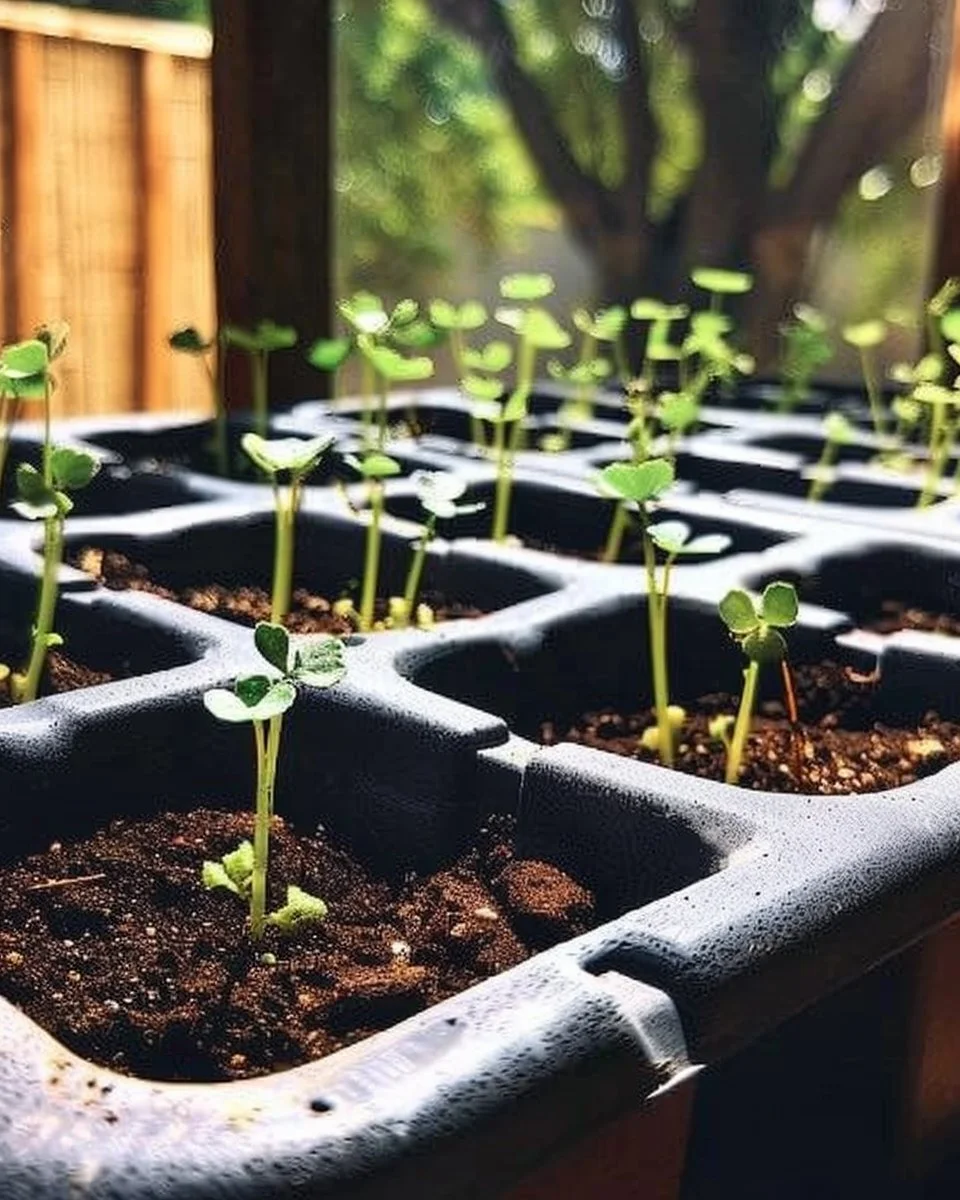
Seedlings thrive in warm, moist conditions. Make sure to maintain a temperature of 65 to 75 degrees Fahrenheit for optimal germination. Using a heat mat can help, especially if your indoor temperature fluctuates. Also, consider using a grow light if natural light is limited; this helps ensure your seedlings develop robustly without stretching for light.
Common Vegetables and Their Timeline
Cool-Season Crops
For cool-season crops like broccoli, kale, and lettuce, it’s generally advised to start the seeds indoors about 6-8 weeks before the last frost date. If you know your local average last frost date, this heavily dictates your planting schedule. For example, if your last frost is typically around April 15, aim to start your cool-season seeds indoors by the end of February.
Warm-Season Crops
Warm-season crops, such as tomatoes, peppers, and cucumbers, need a bit more care. You should start these seeds indoors roughly 6-8 weeks before the last frost as well, but ensure that they go outside only after the chance of frost has passed, typically in late spring. Using the Seed Starting Chart: Optimal Time to Start Seeds Indoors will guide you precisely when to start your warm-season seeds.
Troubleshooting Seed Germination
Common Issues
What happens when you follow all the guidelines, yet your seeds refuse to sprout? Various issues can arise during germination, from incorrect moisture levels to inadequate light. If seedlings appear leggy or stunted, overwatering or poor lighting may be to blame. It’s essential to monitor your seedlings’ growth to identify these issues early.
Solutions for Stronger Seedlings
Make adjustments based on your observations. If your seedlings are too tall and floppy, adjust their light source to a more direct position or increase the amount of light they receive. If they’re injured by overwatering, allow the soil to dry out slightly before watering again. Keeping a close eye on your plants helps prevent problems before they escalate.
Transplanting Your Seedlings
When to Transplant
Knowing how and when to transplant your healthy seedlings outdoors is key to a thriving garden. Generally speaking, you should transplant when your seedlings have at least two sets of true leaves and the danger of frost has passed. Check your seed starting chart for guidance on when to make the switch.
Hardening Off Process
Before you just throw your seedlings into the garden, consider the hardening-off process. This step involves gradually acclimatizing the plants to outdoor conditions over a week or so. Start by placing them outside for a few hours in a shaded spot, incrementally increasing their exposure to sunlight and wind. This simple act greatly increases their chances of thriving in their new environment.
Planning Your Planting Schedule
Utilizing the Seed Starting Chart
Incorporating a seed starting chart into your gardening practice helps maintain organization. Make a calendar with all seeding dates and transplanting dates, ensuring you’re ready to tend to your young plants. Having everything mapped out helps keep stress at bay and allows you to enjoy the process of growing your garden.
Seasonal Considerations
Different regions have different growing seasons, which will impact your seed starting timeline. If you’re located in a cooler area, aim to start seeds indoors earlier, while warmer areas may allow for later starts. Always adapt your starting dates based on local weather trends observed over the years.
Conclusion
Embarking on the adventure of seed starting can prove immensely rewarding when equipped with the right knowledge and timing. The Seed Starting Chart: Optimal Time to Start Seeds Indoors plays a crucial role in guiding your seed starting journey, ensuring healthy plants and a bountiful harvest. Remember to stay connected with your plants, observe any changes throughout their growth, and adjust as necessary. With a little patience and attention, you’ll be on your way to gardening success. Happy planting!
FAQs
What is the best time to start seeds indoors?
The best time to start seeds indoors typically ranges from 6-8 weeks before the average last frost date in your area. Refer to the Seed Starting Chart: Optimal Time to Start Seeds Indoors for specific timings based on the plants you’re growing.
How do I know if my seeds are viable?
You can perform a simple germination test: place a few seeds between damp paper towels and keep them warm. After a week, if they sprout, they’re viable!
What kind of soil should I use for starting seeds?
Use a light, well-draining seed starting mix that retains moisture without becoming soggy. Avoid using garden soil as it may contain pests or diseases.
How often should I water my seedlings?
Water your seedlings regularly, ensuring the soil remains moist but not saturated. Overwatering can lead to root rot, so check the topsoil before watering.
Can I use regular light bulbs for seedlings?
Standard bulbs aren’t ideal for seedlings; they may not provide the right spectrum of light. Grow lights or LED bulbs designed for plants are far more effective for promoting healthy growth.