
Introduction
Have you ever walked into a muggy room and instantly felt uncomfortable? Humidity isn’t just a summer nuisance; it can lead to significant health issues and property damage if left unchecked. High humidity levels can cause mold growth, increased allergens, and a general sense of discomfort in your living space. Luckily, there are Quick & Easy Ways to Dehumidify for a Healthy Home that you can implement today. In this article, you’ll learn practical techniques to control humidity and create a healthier environment for you and your family.
Table of Contents
How Humidity Affects Your Home and Health
Understanding the impact of humidity is crucial in maintaining a healthy home. When indoor humidity levels exceed 50%, you may start to experience discomfort, respiratory issues, or even reactions to mold and dust mites. High humidity can lead to structural problems in your home, like wood rot, paint peeling, and increased pest activity. To keep your living space comfortable and healthy, it’s essential to learn and implement Quick & Easy Ways to Dehumidify for a Healthy Home.
Identifying Excess Humidity in Your Home
Before you can dehumidify your space, you need to determine whether humidity is a problem. Here are some indicators to keep an eye out for:
Common Signs of High Humidity
- Condensation on Windows: Water droplets forming on the glass is a clear sign that indoor humidity is too high.
- Mold Growth: If you see black spots on walls, ceilings, or around windows, it’s a red flag for excess moisture.
- Damp Smells: Musty odors often signal a humidity problem, indicating the potential presence of mold or mildew.
Health Risks Associated with Humidity
High indoor humidity can lead to a variety of health issues, including:
- Respiratory Problems: Asthma and allergy sufferers may experience worsened symptoms due to mold and dust mites.
- Skin Irritation: Excess moisture can lead to discomfort and skin issues like rashes and fungal infections.
Natural Methods to Dehumidify
If you prefer eco-friendly options, several natural solutions can help keep humidity in check.
Use Houseplants for Humidity Control
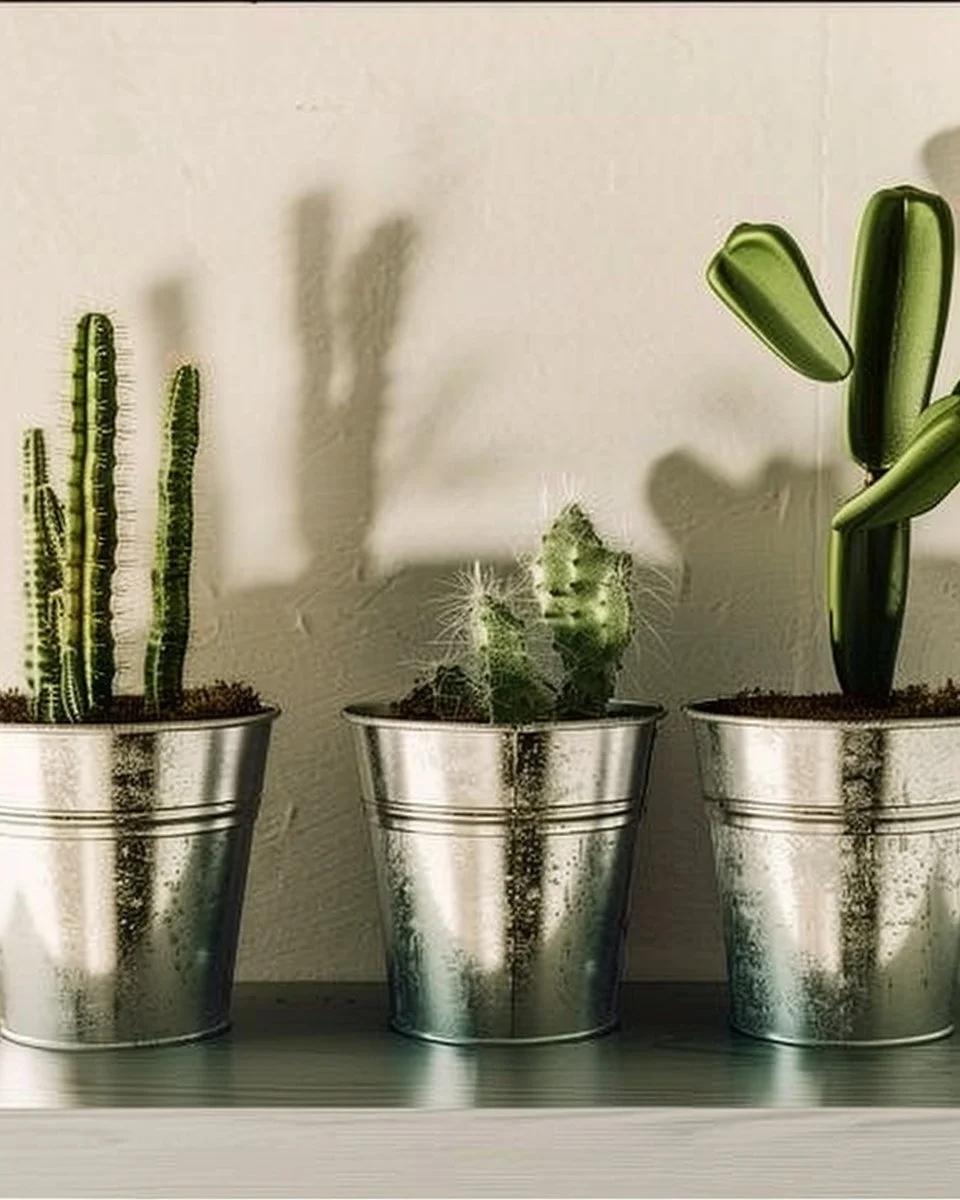
Plants like peace lilies, spider plants, and Boston ferns naturally absorb moisture from the air. By strategically placing these in your home, you not only beautify your space but also help regulate humidity levels. Just remember to avoid overwatering your plants, as that can backfire and increase indoor humidity.
Ventilation Techniques to Reduce Moisture
Good ventilation is key. Open windows on dry days to allow fresh air to circulate and expel humid air. Installing exhaust fans in bathrooms and kitchens helps draw out moist air when cooking or showering. Make a habit of using these fans whenever necessary; this small change can have a lasting impact on your home’s humidity.
Mechanical Solutions for Dehumidifying
Sometimes, natural methods aren’t enough, especially in regions with high humidity. Here’s where mechanical solutions come into play.
Dehumidifiers: Choosing the Right One
Investing in a dehumidifier is one of the most effective Quick & Easy Ways to Dehumidify for a Healthy Home. When selecting the right model, consider the size of your space—are you looking to dehumidify a small room, large living area, or a whole basement? Look for units with adjustable settings and water tanks to make maintenance easier.
Air Conditioning Systems and Their Role
Did you know that your air conditioning unit also acts as a dehumidifier? Running your AC during the day can help remove moisture from the air. Ensure your system is well-maintained and serviced regularly to maximize efficiency and keep humidity at bay.

Everyday Habits to Maintain Optimal Humidity
Making small adjustments to your daily habits can significantly impact humidity levels in your home.
Cooking and Bathing Tips
When cooking, keep the lid on pots and use your kitchen exhaust fan to minimize steam. In the bathroom, take quick showers and use towels to wipe down wet surfaces afterward. This simple practice will help reduce residual moisture that can lead to humidity problems.
Best Practices for Laundry
If you dry clothes indoors, consider using a designated drying space with good ventilation. Avoid drying your laundry in a closed room, as this can trap moisture and increase humidity. For optimal results, try using a dehumidifier in the laundry area if necessary.
Additional Tips for Specific Areas of Your Home
Different areas in your home may require targeted strategies to control humidity effectively.
Kitchen and Bathroom: Moisture Hotspots
Both of these areas produce a significant amount of moisture. Use your exhaust fans every time you cook or shower. If mold appears, scrub it with a mixture of water and vinegar. This not only removes the visible mold but also helps inhibit its return.
Basement and Attic Considerations
These spaces can often be neglected but are crucial in humidity control. Ensure proper insulation and consider installing a dehumidifier in your basement if moisture persists. For attics, check for any leaks that could introduce humid air, and keep ventilation openings clear.
Conclusion
Dealing with humidity may seem daunting, but understanding and implementing these Quick & Easy Ways to Dehumidify for a Healthy Home can make a world of difference. From natural methods like using houseplants to investing in a dehumidifier, there are many strategies available to maintain a healthy living environment. Remember, keeping humidity levels in check not only enhances comfort but also improves your overall health.
FAQs
What humidity level is considered optimal in a home?
Aim for indoor humidity levels between 30% and 50% for optimal comfort and health.
Can I use a fan to reduce humidity?
While fans circulate air, they’re not very effective for reducing humidity. Consider combining them with other methods, like dehumidifiers.
How often should I empty my dehumidifier’s tank?
It depends on the model and the humidity level in your home—most tanks need emptying every few days to every week.
Is a humidifier necessary in winter?
In dry winter months, a humidifier can maintain optimal moisture levels for comfort and health.
Can I prevent mold growth with these methods?
Absolutely! By controlling humidity, you significantly reduce the chances of mold growth in your home.