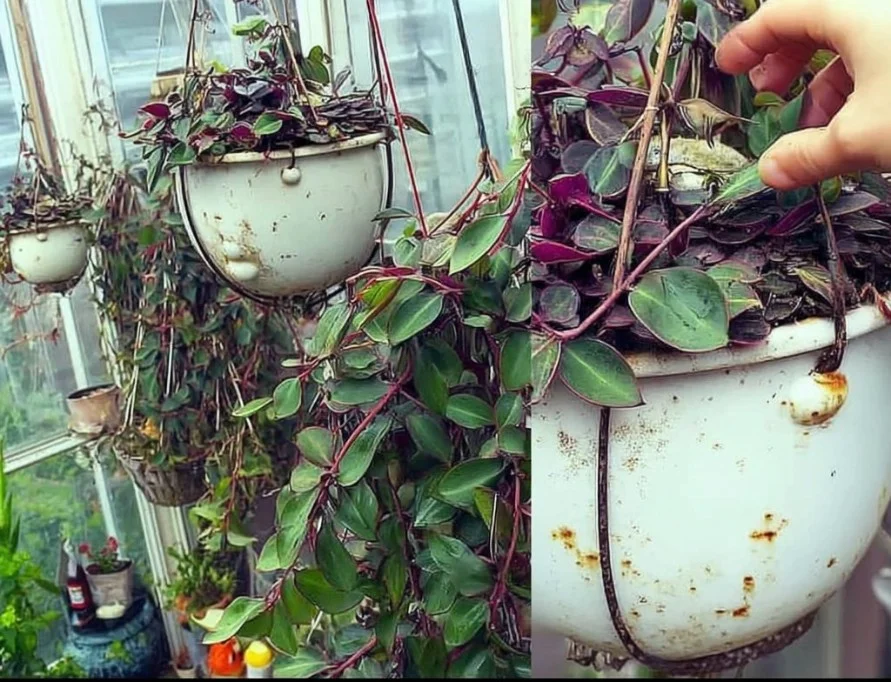
If you’ve ever walked into a home with lush greenery, there’s a good chance you spotted a Wandering Jew plant (Tradescantia). With its vibrant colors and cascading leaves, this plant has become a favorite for many plant enthusiasts. What really sets the Wandering Jew apart is how easy it is to propagate and maintain. However, as it grows, it can sometimes become leggy or spindly, which raises the question: how do you rejuvenate this beautiful plant? In today’s guide, we’ll be diving into the essential techniques of Pruning Wandering Jew (Tradescantia) & How To Make It Bushy. By the end of this article, you’ll have the knowledge and confidence to turn your plants into dense, bushy beauties that can thrive for years to come. Let’s dig in!
Table of Contents
Why Pruning Is Essential for Wandering Jew
Pruning isn’t just about aesthetics; it’s vital for the overall health of your Wandering Jew plant. Over time, if left unchecked, the plant may become overgrown and lose its shape. Pruning encourages new growth, allowing for a fuller appearance and healthier, more vibrant leaves. Think of it as a hairstyle refresh for your plant—it helps maintain its overall vigor and vitality while also removing any dead or unwanted parts.
Choosing the Right Time to Prune
Seasonal Considerations
One of the first questions you might have is when to prune your Wandering Jew. Generally, the best time to prune is in the spring or early summer when the plant is actively growing. This seasonal approach encourages robust new growth that can fill out your plant and make it bushy. If you prune during the winter, when the plant is dormant, you might not see the quick results you’re hoping for.
Growth Phase Awareness
It’s also essential to recognize signs that your plant needs a trim. Are the stems looking elongated? Are the leaves becoming sparse? These can indicate that your plant is reaching for light or is not as healthy as it should be. Regularly assessing your plant will offer clues about when to engage in pruning.
Tools Needed for Pruning
Going into battle requires the right tools, and the same goes for pruning your Wandering Jew! It doesn’t need a sophisticated toolbox, but a few basics can make a big difference:
- Sharp Scissors or Pruning Shears: Clean cuts favor healthy regrowth.
- Gloves (optional): If you have sensitive skin, gloves will protect your hands from the sap.
- Small Containers: To collect cuttings for propagation if you choose to do so.
Having your tools ready ensures that the process of pruning is smooth and efficient.
Steps for Effective Pruning
Cutting Techniques
Now that we’ve set the stage, let’s dive into how to prune your Wandering Jew effectively. Start by examining stems that seem leggy or unhealthy. You’ll want to make your cuts about 1/4 inch above a node—this is where leaves branch out and new growth will emerge. Cutting here helps stimulate growth points.
Dealing With Pests and Diseases
During the pruning process, take a moment to check for any signs of pests or diseases. Aphids and spider mites love to make a feast of our indoor plants. If you notice any pests, it’s a good practice to treat the plant with a mild insecticidal soap or neem oil after you’ve completed your pruning. This extra step will ensure that your newly pruned plants remain healthy and thriving.
Encouraging Bushy Growth After Pruning
Fertilization Tips
After you prune, it’s beneficial to give your Wandering Jew a boost. A diluted, balanced liquid fertilizer can help, especially in the growing season. Nutrients will encourage the plant to channel energy into new growth.
The Importance of Light
Light exposure is critical for thick, bushy growth. If your plant isn’t getting enough light, new growth may elongate toward the light source, making your plant leggy again. Aim for bright, indirect sunlight, and consider rotating your plant regularly for even light exposure.
Common Mistakes to Avoid
Pruning can be a little intimidating, but several common pitfalls can easily be avoided. Firstly, don’t prune too much at once. If your plant is significant, taking off more than a third of its foliage can shock it. Secondly, avoid using dull tools—this can crush stems rather than cut them, leading to unsightly damage or disease. Finally, remember that not every cut needs to be perfect. It’s about promoting healthy growth, not achieving a botanical masterpiece!
Conclusion
In conclusion, pruning is not just a chore, but a vital practice for keeping your Wandering Jew healthy and beautiful. By regularly assessing your plant, using the right tools, and employing effective techniques for pruning, you can transform your wandering Jew into a lush, bushy masterpiece. With care and attention, your plants can bring joy and beauty to your home for years to come. So grab those shears and get started—you’ll be amazed at the difference it makes!
FAQs
What’s the ideal temperature for my Wandering Jew?
Wandering Jews thrive in temperatures between 60°F to 80°F. Keep them away from drafts!
Can I propagate my pruned cuttings?
Absolutely! You can place them in water or directly in soil, and they’ll root nicely, allowing you to share the love.
How often should I prune my Wandering Jew?
An annual prune in the spring is typically enough, but you can trim any leggy growth throughout the year as needed.
Is it normal for my plant to lose some leaves after pruning?
Yes, some leaf drop is normal, especially if you’ve made significant cuts. Just ensure the plant has good care afterward.
Does my Wandering Jew need humidity?
Yes, they prefer humid environments, so consider misting them or placing a humidifier nearby!