
Introduction
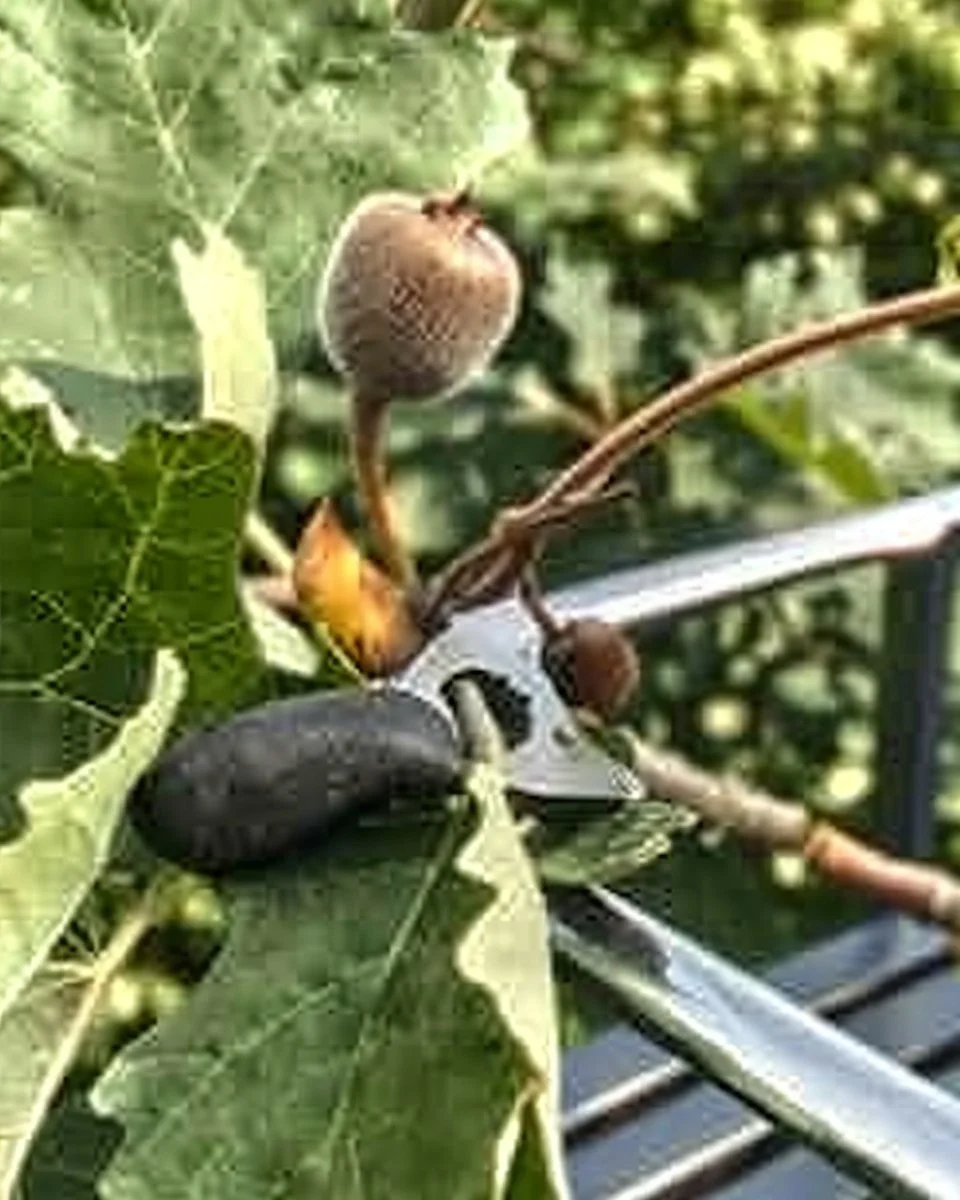
Have you ever stood in your garden, admiring a fig tree, only to wonder about its upkeep? Fig trees can be somewhat finicky, but with the right care, including thoughtful pruning, they can thrive and reward you with delicious fruit. If you’re looking for effective ways to maintain your fig bush without causing any harm, you’re in the right place. In this article, we’ll explore essential pruning fig trees tips without harming fig bush (2026), so you can confidently nurture your tree and enjoy its bounty for years to come.
Table of Contents
The Importance of Pruning Fig Trees
When most people think of gardening, they often overlook the importance of pruning. Yet, pruning is vital for fig trees, as it promotes healthy growth, improves air circulation, and enhances fruit production. Think of pruning as giving your tree a fresh start each season, allowing it to focus its energy on producing juicy figs instead of struggling with overgrown branches. Plus, a well-pruned fig tree can be a real aesthetic gem in your garden!
When to Prune Your Fig Tree
Timing is crucial when it comes to pruning. It’s essential to understand the best periods to prune your fig tree to ensure it remains healthy.
Timing for Young Trees
For young fig trees, typically pruned during their second or third year, late winter is ideal before the tree starts to bud. By trimming them at this time, you encourage a strong framework that will support future growth and fruit production. For example, you might even have an occasion where a young tree has grown unevenly; a good prune at this stage can help even it out.
Timing for Mature Trees
Mature fig trees benefit from pruning in early spring, just before they enter their active growing phase. By removing dead or overcrowded branches now, you give your tree the best chance to flourish come summer. Timing can vary slightly based on your local climate, so always keep an eye on your tree’s environment.
Tools You’ll Need for Pruning
Getting the right tools is half the battle won. Here’s a list of what you’ll need for an effective pruning session:
- Bypass Pruners: Perfect for cutting small branches up to about half an inch in diameter.
- Loppers: Great for mid-sized branches; these offer you leverage and make your task easier.
- Hand Saw: Ideal for larger branches that require a bit more effort.
- Gardening Gloves: Protect your hands and keep them clean during the process.
- Disinfectant: To keep your tools sterile, especially if you’ve pruned a diseased tree in the past.
Techniques for Pruning Fig Trees
Now that you’ve got your timing and tools sorted, let’s dive into some techniques.
Cutting the Right Branches
When it comes time to slice the branches, focus on those that are dead, diseased, or crossing over one another. Removing these will open up your tree and help it breathe. It’s generally a good practice to cut branches at a 45-degree angle, which helps water run off rather than pooling and leading to rot. A little anecdote: I once had a friend who forgot this detail; a rainy season led to a rotting branch, which they had to remove later.
Shaping Your Fig Tree
Shaping is essential for ensuring sunlight reaches all parts of the tree. Think of it like giving your fig bush a haircut! Aim for a balance so that branches radiate out evenly from the center. This not only leads to a healthier tree but encourages better fruiting. Don’t hesitate to consult diagrams or videos online for visual strategies to perfect your technique.
Common Mistakes to Avoid When Pruning
With all that excitement surrounding pruning, it’s easy to slip up. Here are common pitfalls to side-step:
- Over-Pruning: It’s tempting to cut away a lot of branches, but this can shock your tree.
- Ignoring Tree Health: Always assess if a branch is healthy; cutting healthy parts can harm growth.
- Bad Cuts: Make clean cuts to prevent damage and promote healing.
Caring for Your Fig Tree Post-Pruning
After you’ve trimmed your fig trees, it’s essential to give them extra care. Start by applying a light fertilizer to boost their nutrient levels. Consider watering more frequently while they adjust, especially if you’re in a dry climate. Watch for any signs of stress, like wilting or browning leaves, and be prepared to adjust your care routine accordingly.
Conclusion
Pruning may initially appear daunting, but with these essential pruning fig trees tips without harming fig bush (2026), you can easily elevate the health and productivity of your fig trees. Remember, the key is to be patient, observe your trees, and learn from each pruning session. Your fig bush can grow stronger and more fruitful with a bit of care and consideration. Go ahead and take the plunge – your future garden yields will thank you!
FAQs
How often should I prune my fig tree?
Typically, you should prune your fig tree once a year in late winter for younger trees and early spring for mature ones to enhance their overall health and productivity.
Is it okay to prune more than once a year?
While you can prune more than once, it’s not recommended. Frequent pruning can stress the tree and disrupt its growth cycle.
What should I do if I notice diseased branches?
Immediately remove any diseased branches you find and disinfect your tools after each cut to prevent spreading the disease.
Can I prune my fig tree in the fall?
Pruning in the fall is generally not recommended, as it can expose the tree to harsher winter conditions and shock it before it goes dormant.
Will my tree produce less fruit if I prune too aggressively?
Yes, over-pruning can lead to a reduction in fruit production the following season. It’s essential to find that balance for optimal growth.