
Introduction
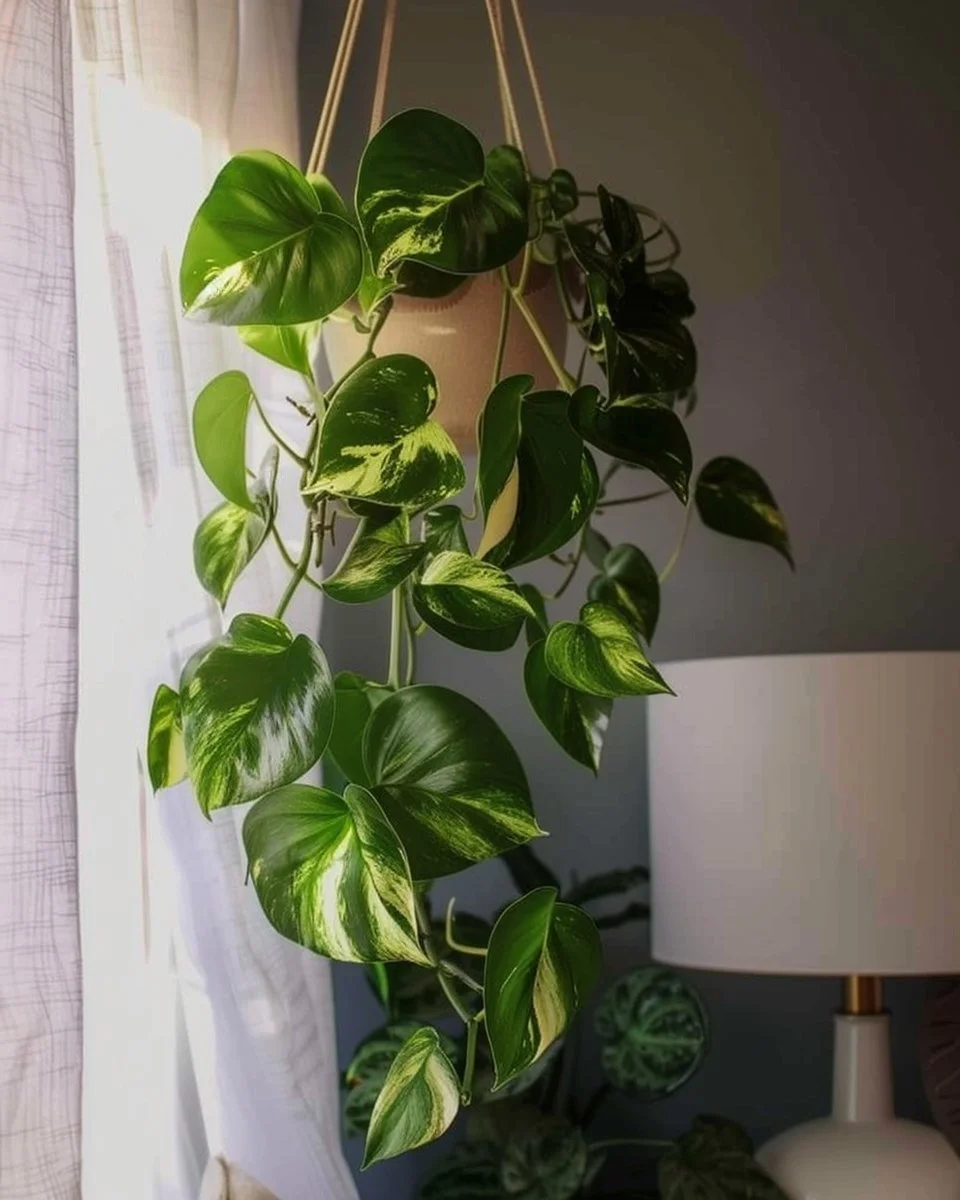
If you’ve ever strolled through a greenhouse or admired houseplants at a friend’s place, you might have noticed the striking Pothos. With heart-shaped leaves that can bring life to any corner of your home, it’s no wonder these plants are among the most popular indoor vines. Imagine walking into a sunlit room, where the vibrant green vines cascade beautifully, creating a serene atmosphere. If you want to achieve this luscious look, I’m here to share some essential Pothos Plant Care Tips for Lush Indoor Vines. In this guide, you’ll learn about their optimal growing conditions, watering routines, pruning techniques, and a bit of fun trivia along the way. Ready to transform your indoor space? Let’s dive in!
Table of Contents
Understanding Pothos Plants
Native Environment
Pothos vines, scientifically known as Epipremnum aureum, are originally from the lush rainforests of French Polynesia. These hardy climbers thrive in dappled sunlight and can adapt to varying light conditions. By mimicking their native environment in your home, you can create the perfect conditions for these beautiful plants to flourish.
Varieties of Pothos
Did you know there are several varieties of Pothos? From the classic green to variegated types like Marble Queen and Golden Pothos, each variety adds a unique charm to your decor. Whether you’re looking for a statement piece or a subtle accent, there’s a Pothos variety for every aesthetic.
Ideal Growing Conditions
Light Requirements
Pothos plants are fairly forgiving when it comes to light. They prosper in bright, indirect sunlight but can tolerate low-light conditions as well. If your Pothos isn’t thriving, consider the light exposure. Have you ever wondered if your plant is getting too much direct sunlight? Yellowing leaves might be a sign it’s time to move your vines to a shadier spot.
Temperature and Humidity
These tropical plants enjoy warmth, so aim for a temperature range of 60°F to 85°F (15°C to 29°C). They also appreciate humidity levels of 40% or more. If your home is dry, especially in winter, consider a humidifier or misting the leaves occasionally to keep them happy and lush.
Soil Preferences
A well-draining potting mix is ideal for Pothos. You can use a standard houseplant mix, ideally one that includes perlite or pumice to improve drainage. A loose, airy mix allows the roots to breathe and prevents waterlogging, which can lead to root rot.
Watering and Feeding
When to Water
Water your Pothos when the top inch of soil feels dry to the touch. Aim for a balanced approach: allow the soil to dry slightly between waterings, but don’t let it dry out completely. If you’ve got a busy schedule, a simple rule is to check your plant once a week. How often do you find yourself guessing when your plants need water? It helps to establish a regular watering routine!
Choosing the Right Fertilizer
During the growing season, typically spring and summer, you can feed your Pothos with a balanced liquid fertilizer every month. Diluting the fertilizer to half strength is often beneficial; this way, you nourish your plant without overwhelming it. Remember, less is more when it comes to fertilizing.
Pruning and Propagation
Why Prune?
Pruning is crucial for keeping your Pothos healthy and promoting bushier growth. If you notice long, leggy stems, don’t hesitate to trim them back. Not only does this encourage new growth, but you can also use cuttings to propagate new plants. Imagine sharing a lush Pothos cutting with a friend or adding a new vine to another room!
How to Propagate
To propagate Pothos, simply cut a four to six-inch section of stem with a few leaves attached. Place the cutting in water, ensuring at least one node is submerged. In a couple of weeks, you’ll notice roots forming. Once they’re a couple of inches long, transfer your new plant to soil—voilà, you’ve got a new Pothos vine!
Common Pothos Issues
Identifying Pests and Diseases
While Pothos plants are relatively resilient, they can still face issues like pests (e.g., mealybugs, spider mites) and diseases (like root rot). If you see tiny insects clustering on your leaves or sticky residue, it’s time to act. Regularly inspecting your plants helps catch these problems early on.
Troubleshooting Tips
If your leaves are turning yellow or brown, it’s essential to consider your watering habits. Overwatering is a frequent cause of yellowing leaves, while browning tips may indicate underwatering or insufficient humidity. Adjusting your care routine can bring your lush vines back to life.
Incorporating Pothos in Your Home
Creative Display Ideas
Pothos vines can be beautifully styled in many spots around your home. From hanging baskets to cascading down shelves, they add vibrant greenery. Have you tried training your Pothos to climb a trellis or pole? This not only saves space but adds visual interest too!
Benefits of Having Pothos Indoors
Did you know that having Pothos indoors can improve air quality? They’re known to filter indoor toxins, making your living space healthier. Additionally, nurturing plants can promote mood and reduce stress, creating a peaceful environment in your home.
Conclusion
Caring for Pothos plants can be a rewarding journey. With the right light, water, and attention, you can enjoy stunning indoor vines throughout your home. Remember the Pothos Plant Care Tips for Lush Indoor Vines as you nurture these beautiful plants, and don’t hesitate to get creative with your displays. With a little patience and love, your Pothos will reward you with breathtaking green foliage that brightens up your space.
FAQs
How often should I water my Pothos?
Water when the top inch of soil dries out. Check weekly to find a routine that works for you.
Can Pothos tolerate low light?
Yes, Pothos can adapt to low light but will thrive in bright, indirect sunlight for optimal growth.
What’s the best fertilizer for Pothos?
A balanced liquid fertilizer, diluted to half strength, during the growing season works well for these plants.
How can I tell if my Pothos is overwatered?
If leaves turn yellow and feel mushy, it might be overwatered. Allow the soil to dry out before watering again.
Can I propagate Pothos in water?
Absolutely! Cut a stem and place it in water to develop roots before transferring it to soil.