
Introduction
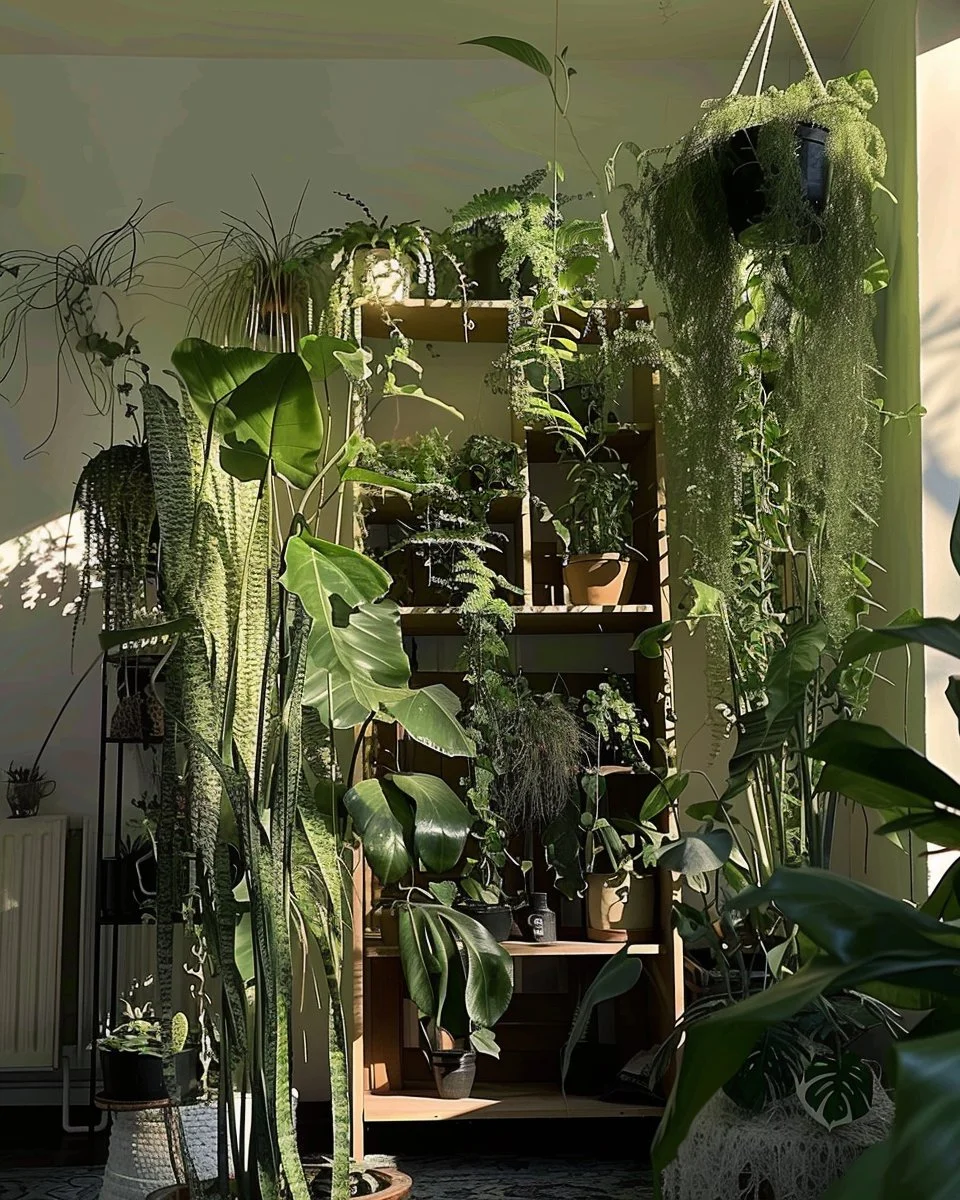
Have you ever stepped into a friend’s home and felt an instant wave of calm wash over you? The reason might just be their impressive collection of houseplants. I remember visiting a neighbor whose place felt like a cozy jungle; every corner brimmed with vibrant greenery. You could almost hear the plants whispering, bringing life and warmth to the space. If you’re dreaming of transforming your home into a plant heaven🌿🌞, you’re in for a treat! In this article, we’ll explore how to curate the perfect indoor garden, care for your plants, and create an environment that nurtures both you and your leafy friends.
Table of Contents
Choosing the Right Plants for Your Space
Light Requirements
Selecting the right plants for your plant heaven🌿🌞 starts with understanding their light requirements. Some plants thrive in bright, indirect light, while others prefer low-light conditions. For instance, succulents like jade plants need plenty of sunlight, whereas pothos can flourish in darker corners. Take a moment to assess your space—look for spots that get natural light and areas that remain shaded throughout the day.
Size and Growth Preferences
Consider the size of your space when selecting plants. Compact plants like spider plants or peace lilies are perfect for smaller areas, while larger plants like fiddle leaf figs can serve as stunning focal points in roomy interiors. Additionally, think about how much space each plant will require as it matures.
Maintenance Levels
Not all plants require the same level of care, so consider how much time you can dedicate to maintaining your green friends. If you’re new to plant care, maybe start with hardy options like snake plants or ZZ plants, which are low-maintenance and resilient.
Creating an Inviting Environment
Optimal Light Conditions
Creating the perfect plant heaven🌿🌞 means ensuring that your plants receive adequate light. Position your plants near windows, but avoid harsh direct sunlight to prevent scorching. If natural light is limited, consider investing in grow lights; they can make a world of difference in plant health!
Ideal Humidity and Temperature
Most houseplants thrive in temperatures between 65°F and 75°F. Humidity is also crucial; a humid environment can help plants flourish. To increase humidity, consider using a humidifier, or place your plants on a tray filled with water and pebbles. Not only does it keep your plants happy, but it also adds a charming touch to your plant haven🌿🌞.
Arranging Your Plants
Arranging plants can significantly enhance the aesthetics of your space. Combine different heights, shapes, and types for visual interest. Consider using plant stands to create levels or hang plants in macramé hangers to draw the eye upwards. Remember, the goal is to create a sense of balance and harmony.
Essential Tools for Plant Care
Watering Equipment
Having the right watering tools can streamline your plant care routine. A sturdy watering can with a long spout helps reach those hard-to-access spaces. Remember to check the moisture levels in the soil before watering; overwatering is a common mistake among plant parents.
Soil and Fertilizers
Quality soil and fertilizers are essential for nurturing your plant heaven🌿🌞. Use potting soil tailored for indoor plants and an appropriate fertilizer during the growing season. It provides essential nutrients that promote healthy growth and vibrant foliage.
Pest Management Supplies
Pests can be a challenge in maintaining a healthy indoor garden. Having neem oil or insecticidal soap on hand can help you manage outbreaks before they escalate. Regularly inspect your plants for any signs of pest activity to address issues promptly.
Caring for Your Plants
Watering Tips
Understanding when and how to water is crucial. It’s best to water in the morning to prevent evaporation. Always check the top inch of the soil; if it feels dry, it’s time to water. Be mindful of excessive watering, which can lead to root rot.
Fertilization Practices
During the growing season (spring and summer), regular fertilization can support your plants’ growth. Follow package directions for dosages to avoid over-fertilizing, which can be harmful.
Pruning and Repotting
Regular pruning helps to encourage new growth and maintain the shape of your plants. If you notice any dead leaves or stems, don’t hesitate to trim them away. Repotting is necessary when plants outgrow their containers—look for roots poking out of the drainage holes or crowded growth.
Adding Personal Touches
Decorative Pots
Your plant heaven🌿🌞 can be as stylish as it is green! Decorative pots can complement your home’s décor. From terracotta to colorful ceramics, the right pots can enhance the entire ambiance.
Plant Stands and Shelving
Vertical space can be utilized with plant stands or shelves, making it easier to display your collection. Mixing different sizes and shapes of the stands adds an artistic element to your home.
Incorporating Artwork
Don’t shy away from blending art and plants. Hang artwork near your plants to create a gallery-like feel. Art pieces can contrast beautifully with the greenery and add depth to your living space.
Common Plant Care Mistakes to Avoid
Overwatering Issues
One of the most common mistakes is overwatering. Always ensure that your pots have proper drainage and avoid letting your plants sit in water.
Insufficient Light
Make sure you’re not placing your plants in dim areas without checking their light needs. Adjust their positioning based on how they respond.
Neglecting Soil Quality
Quality soil is not just the foundation for your plants; it provides the nutrients necessary for growth. Occasionally refresh the soil in pots, particularly for long-term residents.
Inspiring Ideas for Plant Displays
Vertical Gardens
Consider creating a vertical garden on an empty wall. It’s a great way to maximize space while converting it into a lush green feature.
Plant Wall Art
Combine plants with wall art to create focal points. Use frames or shadow boxes to exhibit plants creatively.
Creative Centerpieces
Use unique dishes or vessels as plant pots for your dining table or coffee table centerpieces. These eye-catching displays can serve as conversation starters.
Conclusion
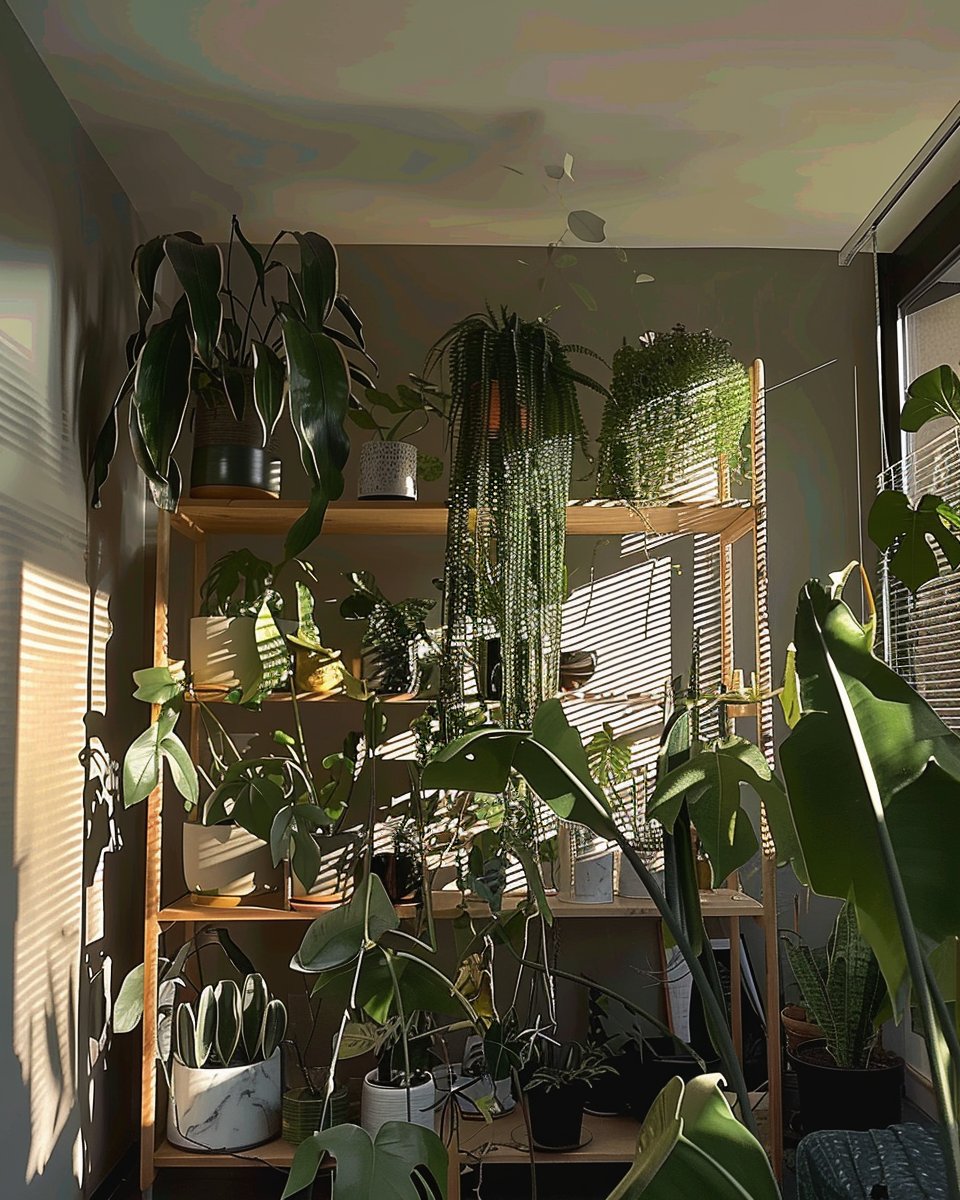
Creating a plant heaven🌿🌞 isn’t just about filling your space with greenery; it’s about cultivating an environment that brings joy and tranquility into your life. By choosing the right plants, creating an inviting atmosphere, and mastering their care, you’ll find yourself surrounded by a vibrant, unique indoor garden. Remember, each plant has its own personality, and nurturing it can be both rewarding and fulfilling. So why not start turning your space into a sanctuary for plants today?
FAQs
What plants are best for beginners?
Snake plants, pothos, and ZZ plants are excellent choices for beginners because they require minimal care.
How often should I water my plants?
It depends on the plant, but generally check the soil. Water when the top inch feels dry.
What type of light do indoor plants need?
Most indoor plants prefer bright, indirect light, but always check the specific needs for each plant type.
How can I tell if my plant needs repotting?
If roots are poking out of the drainage holes or the plant appears crowded in its pot, it’s time to repot.
What common pests should I watch out for?
Keep an eye out for spider mites, aphids, and mealybugs—each can be dealt with if caught early.