
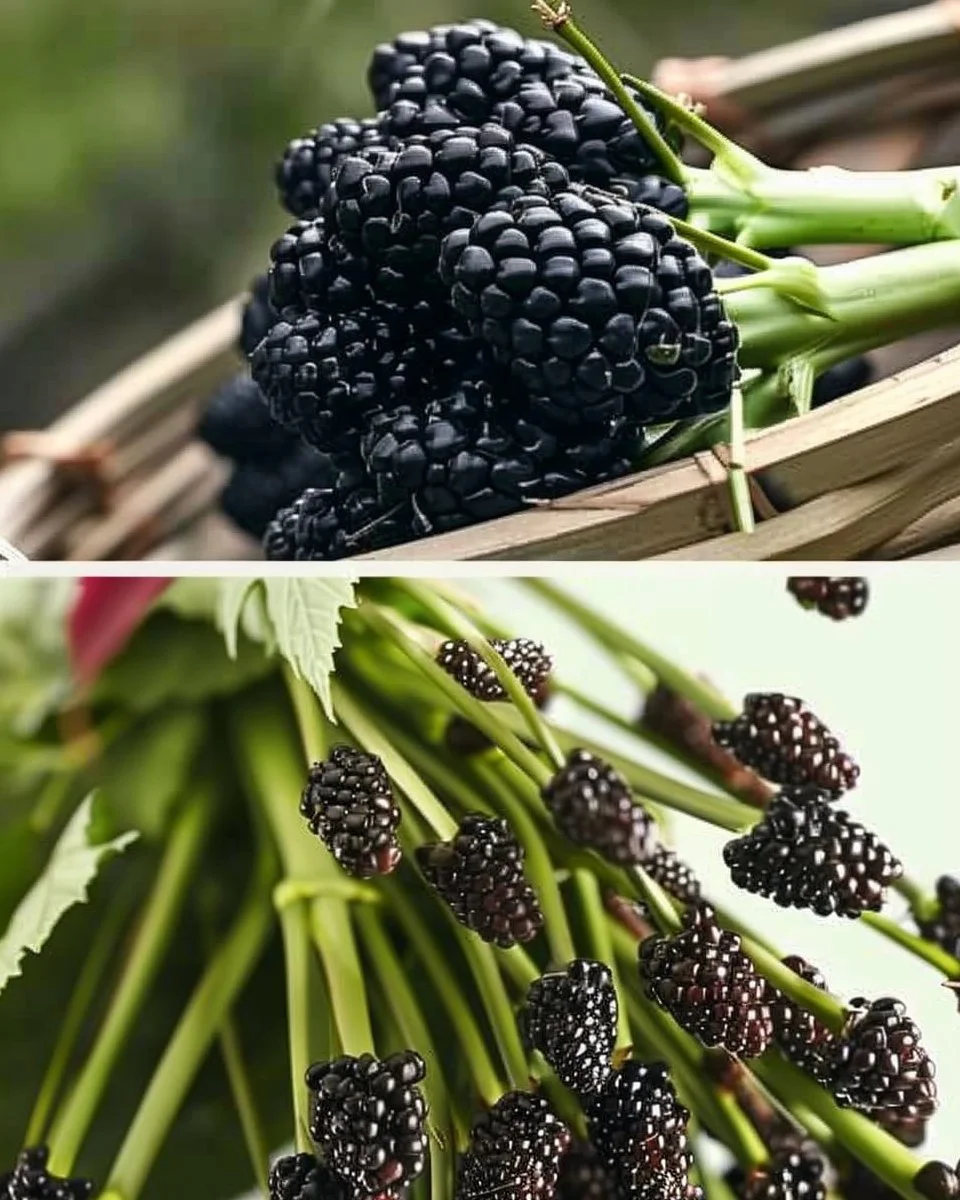
Introduction
Have you ever wandered through a garden and admired the vibrant, lush plants, wondering how they manage to thrive year after year without constant replanting? The secret lies in edible perennials—plants that stick around to give you a reliable harvest without the need for annual replanting. These resilient beauties can be a game-changer for your garden and your kitchen.
In this article, you’ll discover why it’s essential to plant these 10 edible perennials for a reliable, bountiful harvest yearly. From perennial herbs that add flavor to your dishes to nutrient-rich vegetables that keep producing with minimal effort, you’ll learn how to create a garden that keeps giving season after season. Let’s dive into the details!
Table of Contents
The Benefits of Edible Perennials
Edible perennials are not just plants; they are a long-term investment in your garden and lifestyle.
Nutritional Advantages
Growing edible perennials means you’ll have access to fresh, nutrient-dense foods right outside your door. These plants often contain more vitamins, minerals, and antioxidants than their annual counterparts because they can develop stronger root systems over time. Take asparagus, for instance; it’s packed with vitamins A, C, E, and K, not to mention fiber and folate.
Environmental Impact
By planting perennials, you’re contributing positively to the environment. These plants improve soil health, reduce erosion, and increase biodiversity. They require less water and fertilizer compared to annual plants, making them an eco-friendly choice that supports sustainable gardening practices.
Time and Labor Savings
Imagine not having to till, plant, and weed a new garden bed every spring! Once established, perennials require less maintenance compared to annuals. This means you can enjoy your garden rather than labor in it.
Top 10 Edible Perennials to Grow
If you’re ready to boost your garden’s productivity with minimal effort, let’s explore the ten edible perennials you absolutely must plant.
Asparagus
Asparagus is the queen of perennials, offering strong shoots in early spring. With proper care, it can produce for 15-20 years! It prefers a sunny location and well-drained soil. Fertilize annually and enjoy the tender spears fresh or cooked.
Rhubarb
Rhubarb thrives in cooler climates and is perfect for those delightful pies and crumbles. This tart plant requires minimal care and can last up to 10 years in your garden. Just be cautious—only the stems are edible; the leaves are toxic!
Perennial Herbs
Oregano
A staple in Mediterranean cooking, oregano can grow happily for years with little maintenance. It thrives in well-drained soil and sunny spots, making it an easy addition to your garden.
Thyme
Tyme is another resilient herb that not only enhances culinary dishes but also provides beautiful blooms. Drought-tolerant and hardy, it’s ideal for rock gardens or borders.
Chives
Chives are an excellent source of vitamins A and C. The little purple flowers are also edible and make for a delightful garnish. Easy to grow, chives come back each spring, providing fresh flavor all season.
Blueberries
Who wouldn’t love picking fresh blueberries right from their yard? These perennials need acidic soil and may require some extra care for pest management, but the reward is worth it.
Raspberry
Raspberry bushes can flourish for decades and yield sweet, juicy fruits. They do require some space and staking but are relatively easy to grow and maintain.
Strawberries
With various species available, strawberries can be enjoyed from June through fall. They thrive in containers or hanging baskets, and some varieties are even perennial!
Jerusalem Artichokes
These tubers, also known as sunchokes, can grow tall and become quite the spectacle in your garden. They produce flowers similar to sunflowers and are a great food source for both you and wildlife.
Perennial Kale
This superfood is not just a trendy addition to your plate. Varieties like ‘Tree Kale’ can grow for years, providing continuous greens. It’s also very adaptable to different climates.
How to Care for Edible Perennials
Just like any plant, edible perennials require care to thrive. Let’s look at some essential tips for keeping them healthy.
Soil Preparation
Before planting, ensure your soil is rich in organic matter. Perennials tend to thrive in well-drained, fertile soils. Consider incorporating compost to provide necessary nutrients.
Watering and Nutrition
Even drought-tolerant plants need water, especially during their first year of establishment. After that, you can reduce watering. Regular fertilizer application, especially in the spring, will help keep your perennials vigorous.
Pruning and Harvesting
Pruning is essential to ensure your plants stay healthy and productive. For instance, remove old asparagus ferns after they turn yellow. Regular harvesting stimulates growth, particularly in operating plants like herbs.
Incorporating Perennials in Your Landscape
Incorporating edible perennials into your landscape doesn’t just create a garden; it offers a thriving food source.
Designing Your Garden
Think about the layout! Place taller plants towards the back and low-growing ones in front. Create a harmonious flow in your garden by varying heights and colors.
Companion Planting
Some perennials work better together than alone. For example, planting herbs like basil with tomatoes can enhance flavors and reduce pests. Companion planting creates a balanced ecosystem.
Seasonal Considerations
Understanding your growing zone is crucial. Some perennials grow best in warmer areas, while others might need winter protection. Be aware of your local climate and plan accordingly.
Harvesting and Using Your Bountiful Crops
Once your edible perennials are growing strong, it’s time to enjoy the fruits (and veggies!) of your labor.
Recipes and Ideas
Use fresh herbs to elevate your meals. Toss chives into scrambled eggs or mix oregano into marinades. You can also whip up a scrumptious strawberry pie using your home-grown berries.
Preserving Your Harvest
Consider preserving the abundance with canning or freezing. Make jam from your raspberries or blueberries, or dry herbs for later use. This ensures you can savor your bountiful harvest year-round!
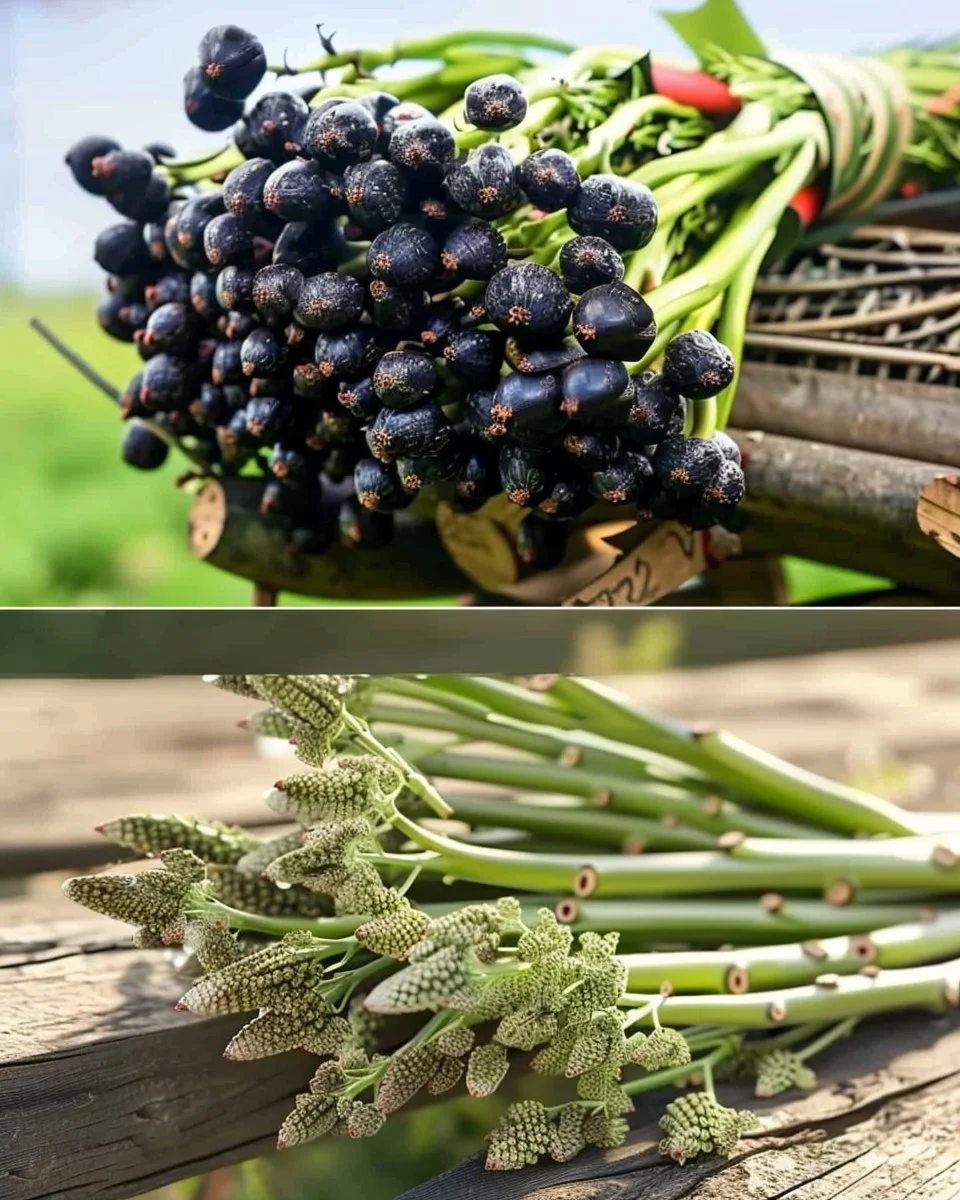
Conclusion
Planting edible perennials is not just a smart choice; it’s a rewarding lifestyle decision that brings sustainability and joy into your garden. With a bit of care and planning, you can enjoy reliable, bountiful harvests yearly. Whether you choose simple herbs or luscious fruits, these plants will enhance your meals and provide a sense of satisfaction every time you tend to them. Start cultivating that dream garden today!
FAQs
What are the advantages of growing edible perennials?
Edible perennials provide a reliable, long-term harvest, improve soil health, and require less maintenance compared to annual crops.
How long do edible perennials last?
Most edible perennials can last several years, with some like asparagus producing for 15-20 years if properly cared for.
Do edible perennials need special soil?
Yes, they thrive best in well-drained, fertile soil. Consider adding compost to enrich the soil before planting.
Can I grow these plants in containers?
Absolutely! Many perennials, such as strawberries and herbs, adapt well to container gardening, making them perfect for small spaces.
How do I know when to harvest my crops?
Each perennial has its timing. Generally, fruits should be picked when ripe, herbs before they flower, and asparagus when they first emerge. Regularly checking your plants will help you reap a bountiful harvest!