
Introduction
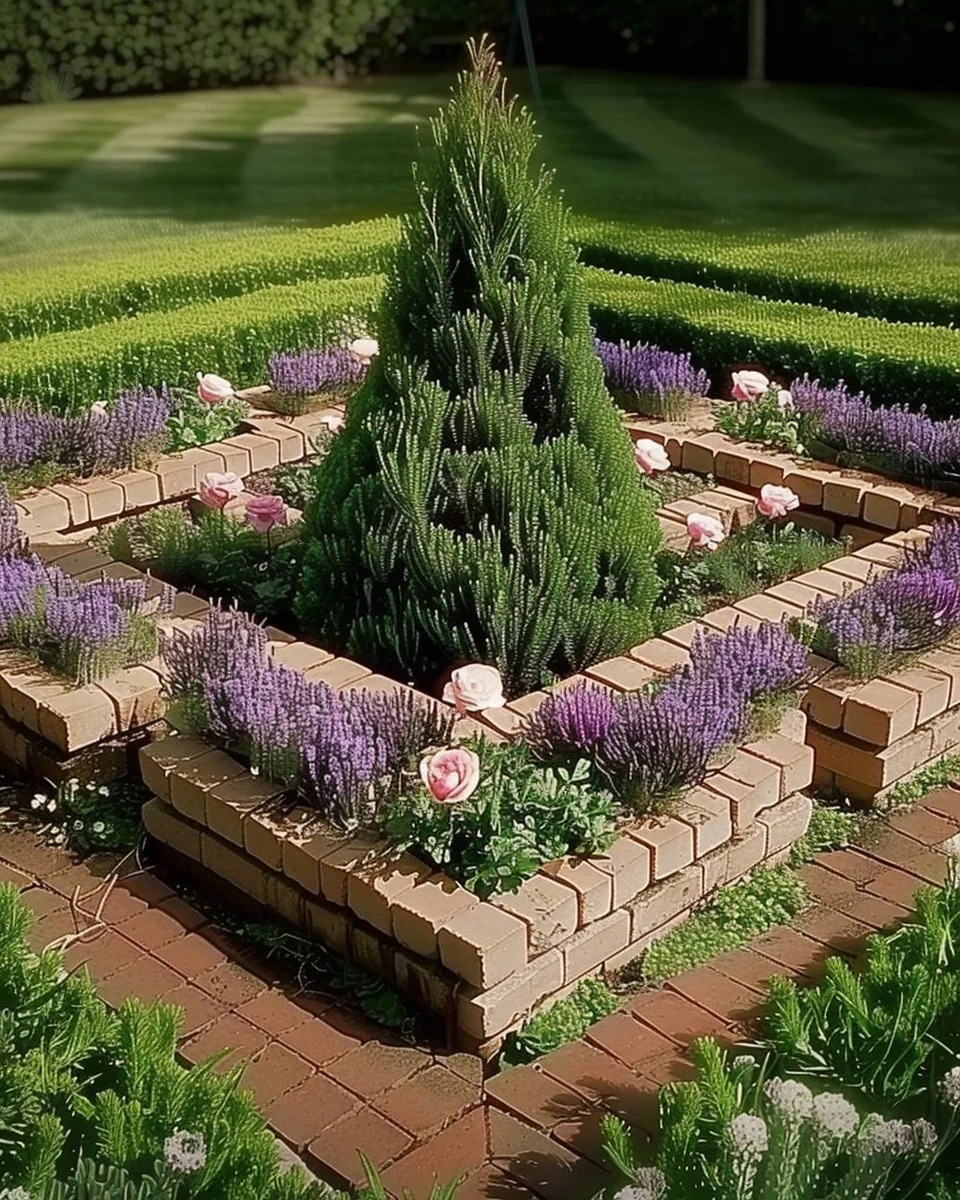
Have you ever wandered through a garden and thought, “Wow, I’d love to create something like this in my own backyard”? The enchanting patterns of plants, the crisp pathways, and the vibrant colors often found in parterre gardens can indeed inspire that kind of longing. Parterre gardens have a long history, tracing back to the Renaissance era, and they’re a brilliant way to add structure and beauty to any landscape. Whether your space is large or small, these gardens can transform your area into a captivating floral masterpiece.
In this article, you’ll discover a selection of creative Parterre Garden Ideas that will not only help you design a stunning space but also bring a touch of elegance and charm right to your backyard. Let’s delve into this world of intricate designs and lush vegetation!
Table of Contents
The Charm of Parterre Gardens
Parterre gardens are known for their symmetrical patterns and carefully defined borders. One of the greatest charms of this design style lies in its ability to combine art with nature. Imagine walking through a maze of colorful blooms, neatly trimmed boxwoods, and charming pathways that guide you through a living tapestry. The essence of a parterre garden is that it’s not just a space for plants; it’s a well-crafted visual statement.
What’s fascinating is that every parterre garden can tell a unique story. They can be simple or elaborate, depending on your personal style and creativity. I’ve seen a small urban patio transformed into a stunning parterre garden with just a few elegant plants and pavers—a perfect way for city dwellers to embrace gardening.
How to Plan Your Parterre Garden
Understanding Your Space
Before you dive into design, take an honest look at your outdoor area. The size, shape, and available sunlight all play significant roles in your garden’s potential. Are you working with a sprawling yard or a cozy balcony? Do you have full sun exposure, or is your space shaded by tall trees? Understanding these elements will help you make better design decisions.
Selecting the Right Plants
The heart of any parterre garden is its plant selection. Opt for plants that complement each other in color, texture, and growth habit. Popular choices include:
- Boxwoods: Their neat, evergreen stature makes them ideal for defining garden beds.
- Lavender: Adds fragrance and a romantic touch.
- Tulips and Daffodils: Offer bursts of color in the spring.
- Ornamental Grasses: Bring movement and softness to your design.
Consider also seasonal interest; you may want to choose plants that bloom at different times to keep your garden fresh all year round.
Choosing Pathway Materials
Your pathways are key to creating an inviting atmosphere. Many parterre gardens utilize materials like:
- Gravel: Offers a rustic feel while allowing easy drainage.
- Pavers: Ensure a stable surface and can be arranged in intricate patterns.
- Turf: If you prefer a softer feel underfoot, grass can provide a beautiful contrast to paved areas.
The material you choose should harmonize with the overall design and the plants you select.
Creative Parterre Garden Ideas
Classic Formal Designs
A timeless parterre design might include a symmetrical layout with geometric shapes. Imagine a series of squares or rectangles filled with contrasting plants, framed by boxwood hedges. This kind of garden suits larger spaces beautifully and can dazzle onlookers throughout the blooming season.
Modern Minimalist Approaches
For those who lean towards contemporary aesthetics, a minimalist design can work wonders. Think of clean lines and fewer plant types for a sleek appearance. Often, a monochromatic color palette can create a chic space. A small selection of bold architectural plants can punctuate your garden, making it feel sophisticated yet inviting.
Seasonal Themes
Another fantastic approach is to design your parterre garden with seasons in mind. Create sections representing each season, filled with plants that bloom at different times. Spring tulips can transition to summer hydrangeas, followed by autumn chrysanthemums, and finally, decorative cabbages for winter. This not only provides beauty year-round but also keeps you engaged in your garden as it evolves.
Edible Parterre Gardens
Why not incorporate some of your favorite edibles into your design? Imagine a traditional parterre layout where one quadrant features aromatic herbs like rosemary and thyme, another blooms with colorful peppers and tomatoes, all bordered by ornamental plants. This diverse approach not only looks stunning but also yields delicious produce right from your garden.
Maintaining Your Parterre Garden
Regular Care and Upkeep
To keep your parterre garden thriving, regular maintenance is essential. Pruning, watering, and mulching should be part of your routine. Frequent check-ups help keep your plants healthy and able to withstand seasonal changes. If you’re unsure about care for a particular plant, many gardening forums and local gardening centers are happy to lend a hand.
Seasonal Planting Tips
Taking care of your parterre garden also means understanding seasonal shifts. Come spring, it’s the perfect time to refresh your beds by adding seasonal blooms. In the fall, consider planting bulbs for spring blooms to ensure you have something to look forward to as the cold weather sets in.
Inspiring Stories from Gardeners
I once spoke with a garden enthusiast who triumphantly turned a neglected corner of her yard into a breathtaking parterre garden. She shared her journey filled with trial and error, like learning which plants thrived together and adapting her design as seasons changed. What struck me most was her joy in inviting friends over to admire her creation, turning her work into a lively gathering spot for summer parties.
Common Challenges and How to Overcome Them
Gardening is never without its challenges. Whether it’s stubborn weeds, pests, or just keeping your plants healthy, struggles are part of the experience. Remember to:
- Invest in good soil: Amending your soil can significantly improve plant health.
- Use companion planting: Certain plants can deter pests and encourage growth.
- Create a maintenance schedule: Consistency is your best friend in keeping weeds and pests at bay.
Conclusion
In exploring these Parterre Garden Ideas, you’ve gained insights into how to create a visually delightful space that not only highlights nature but also reflects your personality. Whether you opt for a classic approach or a modern twist, a well-thought-out parterre garden can become a vibrant centerpiece in your outdoor landscape.
Embrace the creativity involved in designing your garden, and remember—that each bloom tells a story. With patience and dedication, you can cultivate a garden that brings joy to you and your guests for years to come.
FAQs
What is a parterre garden?
A parterre garden features symmetrical patterns often made with low hedges, colorful flowers, and defined pathways, creating a visually stunning design.
Can I create a parterre garden in a small space?
Absolutely! Even small balconies or patios can become beautiful parterre gardens with careful plant selection and compact designs.
What types of plants are best for a parterre garden?
Popular choices include boxwoods, lavender, tulips, and ornamental grasses, as these provide great structure and seasonal color.
How do I maintain a parterre garden?
Regular watering, pruning, and mulching are essential, along with seasonal updates to keep your plants thriving.
Can I incorporate vegetables into a parterre garden?
Yes! Designing a parterre garden with edible plants is a lovely way to blend beauty and function, adding herbs and vegetables to your colorful layout.