
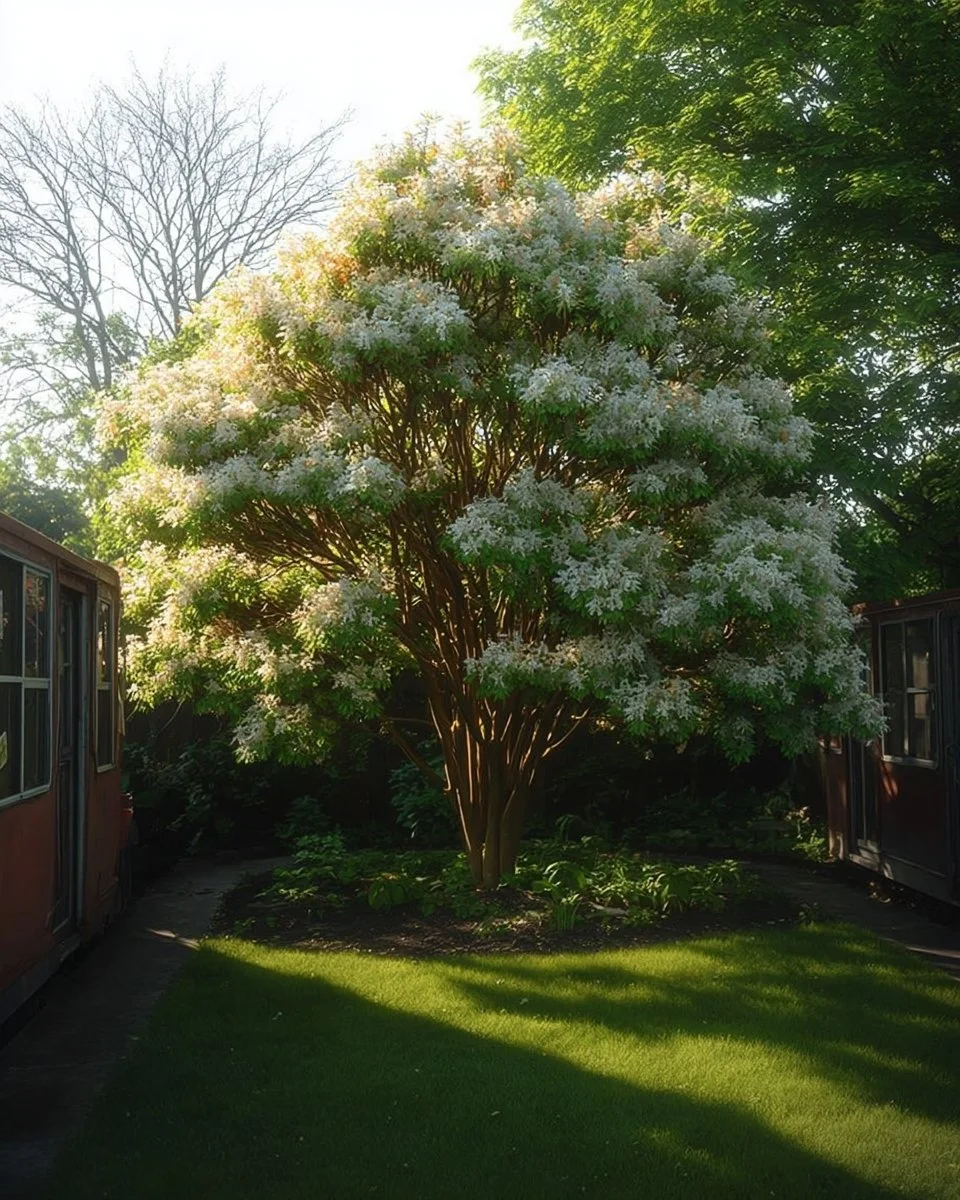
Imagine sipping your morning coffee on your patio, surrounded by privacy that feels like a cozy embrace from nature. Living in a small yard can often feel constrictive, especially when you’re yearning for a bit of solitude. That’s where strategic plant choices come in, transforming your outdoor space into a serene retreat. In this article, I’ll share the best 20 Outdoor Trees and Hedges for Privacy That Will Make Your Small Yard Seem Bigger! You’ll learn how to use trees and hedges to create natural barriers that not only enhance your privacy but also enrich your space visually.
Table of Contents
Benefits of Trees and Hedges for Privacy
When you think about enhancing privacy, trees and hedges provide numerous benefits. Not only do they act as natural sound barriers, but they also filter out noise from busy streets or noisy neighbors. Additionally, they can improve air quality and create a habitat for local wildlife. Incorporating the correct greenery into your space can turn a mundane yard into a peaceful oasis, making it feel larger and less congested.
Choosing the Right Trees for Your Yard
Factors to Consider
Before selecting trees for privacy, consider your yard’s climate, soil type, and sunlight availability. Do you have limited space, or is your yard more expansive? Understanding your environment will guide you toward the right tree options. For example, if your yard has poor drainage, avoid trees that require lots of water.
Best Tree Options
Arborvitae: This evergreen tree is a classic choice for creating privacy screens. Fast-growing and dense, Arborvitae can thrive in various soil types.
Leyland Cypress: Known for its rapid growth, Leyland Cypress provides a tall barrier and works well in small and medium-sized yards.
Japanese Maple: While not typically used for tall privacy, Japanese Maples can add a beautiful focal point and create a natural enclosure when planted strategically.
Bamboo: Some species of bamboo are excellent for privacy due to their height and density. However, ensure you choose clumping varieties to avoid invasive growth.
Eastern Red Cedar: This hardy tree offers year-round foliage and can handle a variety of conditions, making it perfect for privacy in diverse landscapes.
These trees can not only obscure unwanted sights but also contribute to your yard’s aesthetic appeal.
Selecting the Perfect Hedges
Benefits of Hedges
Hedges are fantastic for defining spaces and providing a natural boundary. They’re more than just privacy barriers; they can also add texture and color to your garden. Well-maintained hedges can create an inviting feel, distinguishing your yard from neighboring properties.
Top Hedge Varieties
Boxwood: A traditional choice, boxwoods are versatile and can be shaped into various forms, making them perfect for formal gardens. They grow slowly, allowing you to maintain control over their size.
Privet: This shrub grows quickly and can reach substantial heights, providing the privacy you want. It’s also easy to shape, which makes it a popular choice for creating tidy fences.
Laurel: Known for its glossy leaves, laurel offers a dense canopy that serves well for privacy hedges. They thrive in various soil types, providing resilience in diverse climates.
Yew: The yew is another evergreen option that can be easily shaped and is known for its longevity. It adds a touch of elegance to any landscape design.
By carefully selecting hedges, you can create a lush, green wall of privacy that enhances your yard’s look while keeping your neighbors at bay.
Creating a Lush Landscape with Layering
One of the secrets to making a small yard feel larger is layering your plantings. By combining trees and hedges of varying sizes, you can create depth and dimension. For example, use taller trees in the back and shorter hedges in the front. This not only ensures that all plants receive adequate sunlight but also allows for a visually engaging backdrop.
Consider incorporating flowering plants and ornamental grasses throughout your layers; these can add color and texture without encroaching too much on valuable space. Group different varieties together to create eye-catching clusters, enriching the landscape further.
Maintenance Tips for Your Privacy Plants
To ensure your trees and hedges thrive, maintenance is key. Regular trimming, watering, and pest monitoring can go a long way in creating a healthy, vibrant environment. Here are some maintenance tips:
Prune Regularly: For hedges, late winter or early spring is ideal for pruning. This encourages healthy growth and can help you maintain the shape you desire.
Water Wisely: Newly planted trees and hedges may need more water initially. Ensure they’re watered deeply, especially during dry spells.
Mulch: Adding a layer of mulch can help retain moisture and suppress weeds, giving your plants a better chance to thrive.
Watch for Pests: Regularly inspect your greenery for signs of infestation. Early identification can save your plants from significant damage.
By keeping an eye on these factors, you’ll enjoy your privacy plants for years to come.
Real-life Stories: Transforming Small Spaces
Let me share a quick story about my friend Liz, who lived in a downtown apartment with a tiny backyard. Determined to create a private retreat, she invested in a row of Arborvitae along the perimeter. The transformation was remarkable! Not only did she gain instant privacy, but the green wall also reduced noise from the street and gave her the perfect spot to unwind after a long day. She also added twinkling lights, which made the space feel magical at night.
Like Liz, with careful planning, you too can transform your small yard into a big oasis of privacy.
Conclusion
Creating an inviting, private space in a small yard is entirely possible with the right selection of trees and hedges. The keyword 20 Outdoor Trees and Hedges for Privacy That Will Make Your Small Yard Seem Bigger! is not just a catchy phrase — it’s a practical guide to fostering an outdoor environment that feels spacious and serene. Remember to choose the right plants based on your landscape needs, carefully layer them for depth, and maintain them with care. With a bit of investment and nurturing, you can enjoy your personal slice of paradise.
FAQs
What are the best trees for small yards?
Compact evergreens like Arborvitae and smaller varieties of Japanese Maples work well for creating privacy without overwhelming space.
How tall should my privacy hedge be?
Typically, a hedge should be at least 6-8 feet tall for effective privacy. However, personal preference and context of the yard matter greatly.
Can I mix different types of hedges?
Absolutely! Mixing different hedges can add interest to your landscape, but ensure they have similar care requirements.
How do I keep my trees healthy?
Regular watering, appropriate pruning, and monitoring for pests will help maintain the health of your trees.
What time of year is best to plant trees for privacy?
Early spring or fall is often the best time to plant trees for optimal growth, as conditions are typically more favorable.