
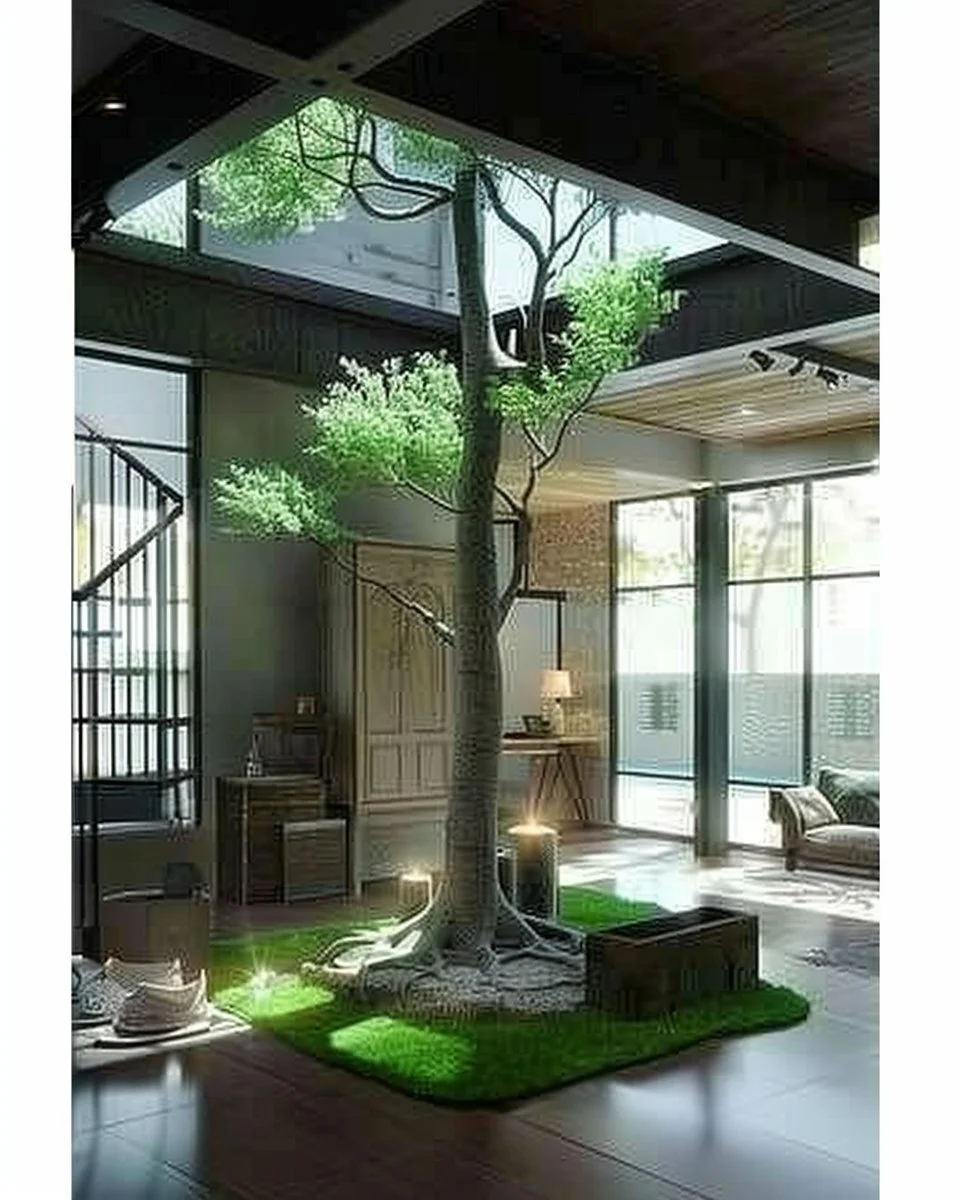
Introduction
Have you ever stood in a chaotic kitchen or faced a mountain of emails, wishing you could simply find a moment of peace? We all crave that serene escape amid our bustling lives. Fortunately, there’s a simple yet impactful way to cultivate tranquility right in your own home. By learning how to make an indoor Zen garden for real calm, you can create a personal retreat that promotes relaxation and mindfulness.
In this article, you’ll discover how to design and maintain your own indoor oasis, tailored to your unique style and preferences. Whether you’re a busy professional, a student overwhelmed by coursework, or a parent juggling multiple responsibilities, an indoor Zen garden can serve as your sanctuary. Let’s dive into the world of Zen gardening and explore its myriad benefits!
Table of Contents
Importance of Indoor Zen Gardens
Creating a space dedicated to peace and reflection can have profound effects on your mental health. Indoor Zen gardens aren’t just aesthetically pleasing; they serve as tools for cultivating mindfulness and stress reduction. Many people find that spending even a few minutes tending to their garden can help clear their minds and refocus their thoughts.
Zen gardens are rooted in Japanese culture and are designed to promote contemplation and simplicity. They often feature raked sand, stones, and carefully arranged plants, all of which symbolize elements of nature. By making an indoor Zen garden for real calm, you’re inviting a piece of this tradition into your home.
Essential Elements of a Zen Garden
To successfully create your indoor Zen garden, you’ll need to consider its essential components. Here are the elements that can help transform any space into a peaceful retreat:
Sand and Gravel Selection
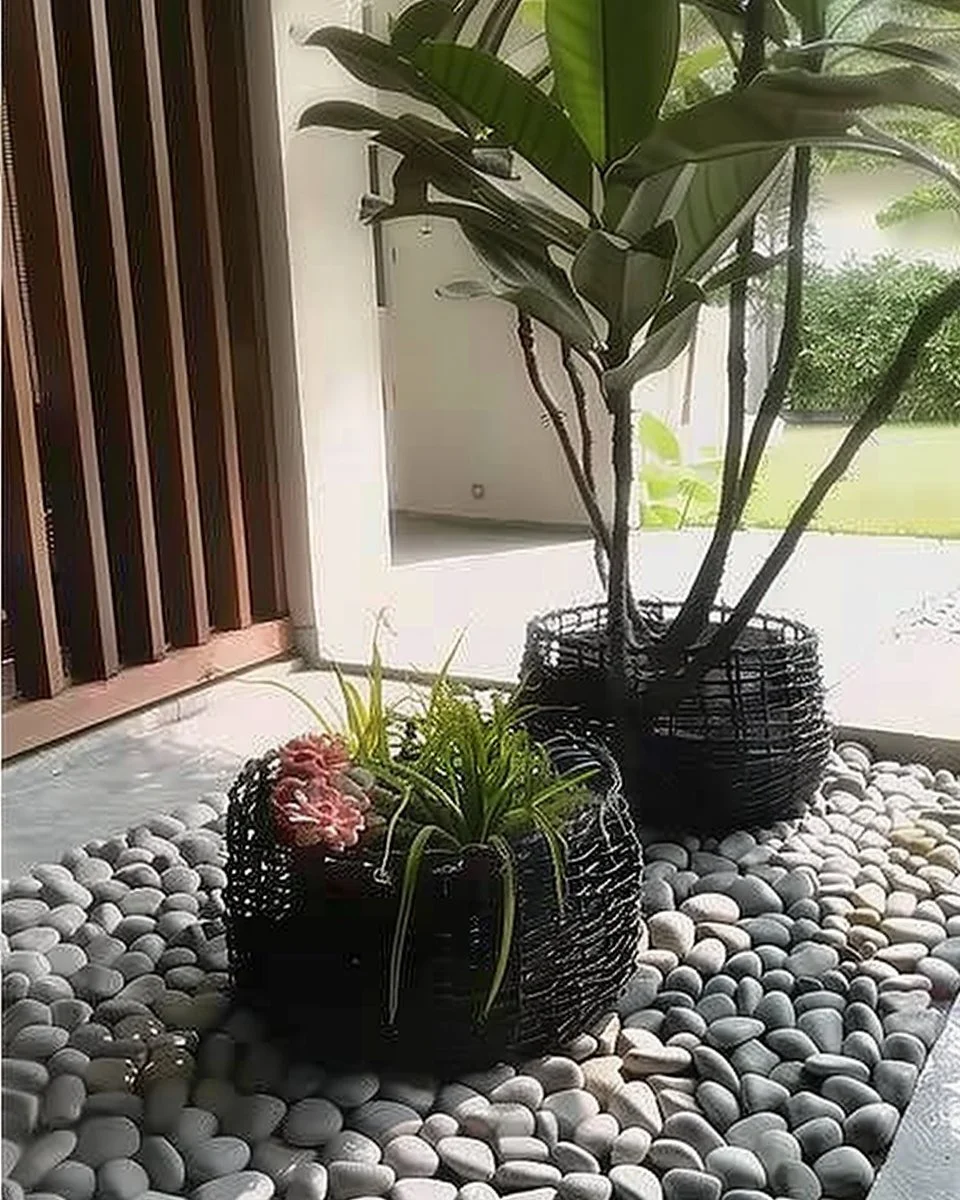
The foundation of any Zen garden often consists of sand or gravel, mimicking water or rippling waves. Choose fine, light-colored sand for a soft, tranquil look. Alternatively, you can use gravel for a more textured surface. Raking the sand or gravel into patterns can be a relaxing activity that aids mindfulness.
Rocks and Stones Usage
Incorporating rocks and stones into your Zen garden symbolizes mountains or islands. Opt for various sizes to create height and visual interest. Arrange them thoughtfully, allowing for natural flow and grounding elements. You could even select stones with interesting textures or colors that resonate with you personally.
Plants That Promote Calm
Adding plants to your indoor Zen garden enhances the calming atmosphere. Consider low-maintenance options such as succulents, ferns, or bonsai trees. They not only bring life to your garden but also purify the air, contributing to a healthier indoor environment. Select plants that fit the light conditions of your space to ensure they thrive.
Designing Your Indoor Zen Garden
When it comes to design, personalization is key. Your indoor Zen garden should reflect your tastes and the tranquility you seek. Here’s how to get started:
Location Considerations
Choose a quiet area in your home, away from the everyday hustle and bustle. Consider spots such as a corner of your living room, a windowsill, or even a nook in your office. The goal is to place your garden where you can easily access it for quiet reflection.
Layout Ideas
Keep your design simple and uncluttered. An open layout allows for easy maintenance and fosters relaxation. Consider circular or asymmetrical arrangements to create movement and flow. You could even sketch a rough layout before implementing it, ensuring you’re happy with the overall vision.
Incorporating Additional Decor
Enhance the serenity of your Zen garden with mindful decor. Use small sculptures, candles, or driftwood to add unique elements. Just remember to keep it minimal; the beauty of a Zen garden lies in simplicity.
Maintaining Your Zen Garden
Regular maintenance is essential to keep your indoor Zen garden looking fresh and inviting. Here are some tips for upkeep:
Regular Upkeep
Set a routine to tend to your garden. This could involve raking the sand, watering plants, or refreshing stones. Engaging in these tasks can be a peaceful part of your day.
Seasonal Adjustments
As the seasons change, consider rotating your plants or altering the arrangement with new elements. This keeps your space feeling vibrant and alive. Changing the decor may also inspire new feelings or reflections.
Mindfulness Practices
Use your garden as a tool for mindfulness. Spend quiet moments in front of it, contemplating your day or simply letting your mind drift. You might be surprised at how these moments of stillness can recharge your spirit.
Benefits of Having a Zen Garden
Creating an indoor Zen garden has numerous benefits that contribute to overall well-being. Here are some reasons to consider:
- Stress Relief: The act of tending to a garden can significantly reduce stress and anxiety levels.
- Enhanced Focus: A designated space for calm helps improve focus and productivity.
- Mindfulness Practice: Engaging with your garden encourages mindfulness and reflection in your daily routine.
- Creative Outlet: Designing and maintaining a Zen garden provides a creative outlet and a chance to express yourself.
Personalizing Your Zen Experience
As you learn how to make an indoor Zen garden for real calm, don’t be afraid to infuse your personality into it. You might choose to incorporate items that hold sentimental value or reflect your personal journey. Each element in your garden can serve as a reminder of what brings you peace and joy.
Consider creating a small altar with meaningful objects or incorporating photographs that resonate with tranquility. The more personal, the stronger the connection you’ll feel to the space.
Final Thoughts on Indoor Zen Gardens
In a world often filled with noise and distraction, cultivating a peaceful sanctuary in your home can be transformative. By learning how to make an indoor Zen garden for real calm, you’re not only enhancing your environment but also nurturing your mental health. Every time you take a moment to engage with your garden, you’re reminded of the importance of stillness and mindfulness.
So, gather your materials, find your location, and start creating. Remember, the journey of making your indoor Zen garden can be just as rewarding as the finished product. Embrace the process, and let the serenity guide you.
FAQs
What materials do I need to create an indoor Zen garden?
You’ll need sand or gravel, rocks or stones, and plants. Additional decor items like candles or sculptures can enhance the space.
How often should I maintain my Zen garden?
Aim for weekly maintenance to keep the sand raked and the plants healthy. You may also want to refresh the layout seasonally.
Can I have a Zen garden in a small space?
Absolutely! You can create a mini Zen garden on a small table or even a windowsill. The principles remain the same regardless of size.
What type of plants are best for a Zen garden indoors?
Look for low-maintenance plants like succulents, ferns, or bonsais that thrive in your indoor light conditions.
How does a Zen garden promote mindfulness?
Engaging with the garden, whether through raking the sand or simply observing it, encourages stillness and reflection, making it a perfect tool for mindfulness practice.