
Introduction
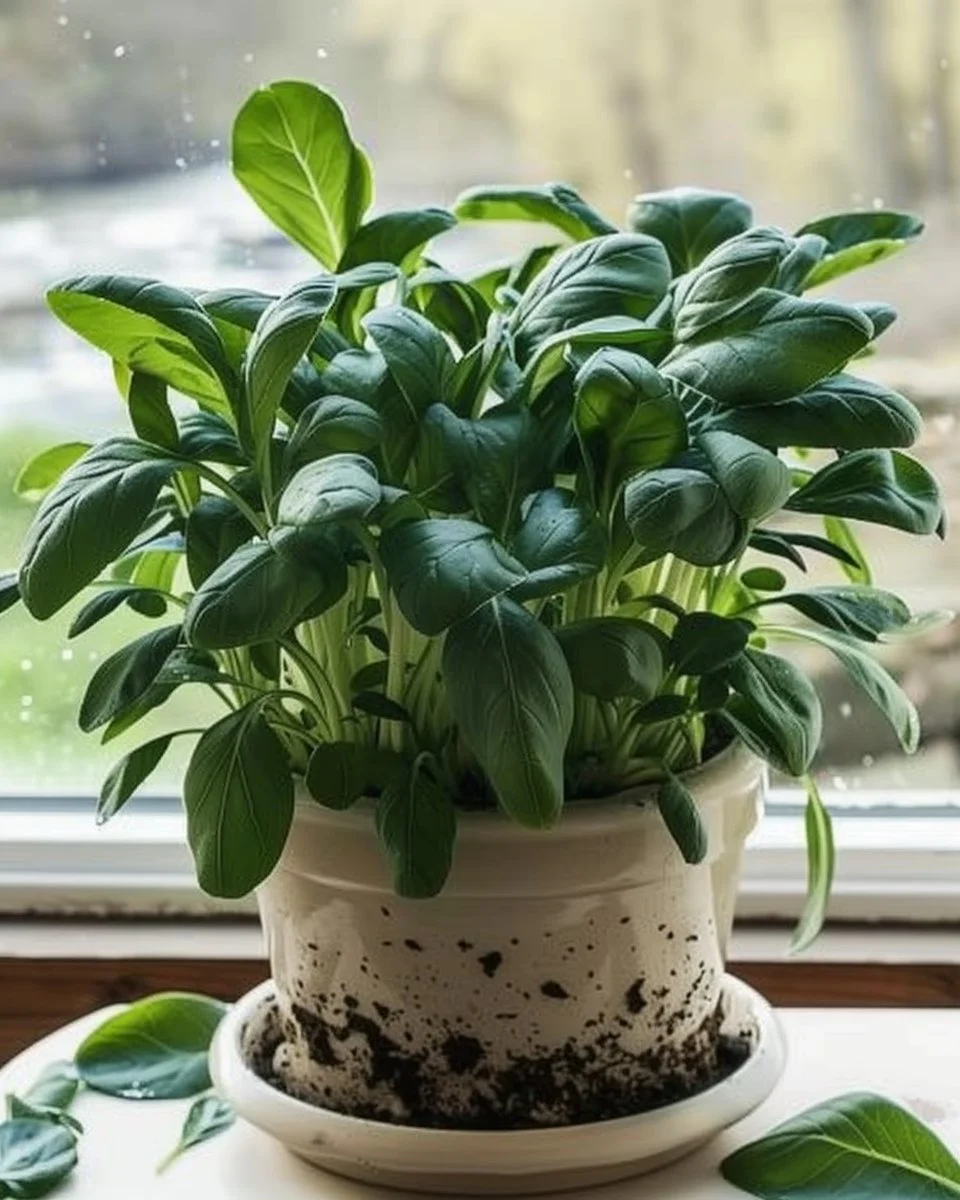
I used to think growing spinach indoors meant fuss, fancy equipment, and a lot of babysitting. Then I crammed a shallow tray on a sunny kitchen shelf, fed it cheap potting mix and a splash of fertilizer, and watched tender leaves appear in two weeks. That little success turned into a habit: an easier, more relaxed way to grow a steady supply of greens without turning my home into a greenhouse.
Welcome to The Lazy Gardener’s Guide to Indoor Spinach 🌿. This guide is for people who want fresh spinach with minimal time and maximum payoff. I’ll walk you through realistic container choices, lighting that actually works, simple soil and feeding plans, easy sowing tricks for regular harvests, and low-effort ways to deal with pests and problems. Along the way you’ll get budget-friendly examples, quick fixes, and a few lazy gardener hacks that still produce great results.
If you want a quick crash course on general indoor plant care to pair with these spinach-specific tips, check this short companion guide: 10 Simple Ways to Grow Healthy Indoor Plants. Ready? Let’s make indoor spinach effortless and delicious.
Table of Contents
Choosing The Right Containers
The container choice sets the tone for how much work you’ll do. Choosing a forgiving container makes spinach practically care-free.
Container Size And Drainage
Spinach has shallow roots. A container about 6–8 inches deep gives plenty of room for root development without wasting potting mix. Pick a pot that’s at least 6–8 inches across for a small family supply; longer troughs (10–18 inches) let you plant rows for succession sowing.
Drainage is non-negotiable. Even lazy gardeners must ensure excess water can escape. Use pots with drainage holes and place a saucer beneath to protect furniture. If you buy a pretty pot without a hole, grow the spinach in a nursery pot inside the decorative pot—easy, removable, and low drama.
Best Materials For Indoor Use
Lightweight plastic is fine and retains moisture (handy if you forget one watering). Terra cotta looks nice but dries fast—great if you’re prone to overwatering but will need more frequent checks. Resin and glazed ceramic give a good middle ground. Think about weight and mobility: if you’ll move pots to chase the sun, pick lighter containers.
Space-Saving Options
Have a windowsill or narrow shelf? Use long shallow troughs or stackable planters. Hanging baskets work for trailing varieties or mixed greens. A shallow seed tray tucked on a bookshelf under a small grow light can yield a surprising amount of baby spinach for salads.
Throughout this guide you’ll see practical tweaks that keep things lazy without sacrificing yield. The Lazy Gardener’s Guide to Indoor Spinach 🌿 is about choosing what’s easiest for your life and sticking with it.
Light And Location
Light determines whether your spinach will be lush or leggy. The lazy secret: you don’t need perfect sun, just steady, sufficient light.
Natural Light Vs Grow Lights
Spinach prefers bright, indirect light. A south- or west-facing window is ideal, but east windows work too. If your place is dim or you want winter harvests, a simple LED grow light (18–24 inches above the canopy) will do wonders. LED strips or a compact panel with a timer gives reliable results with very little fuss.
LED lights are energy-efficient and produce little heat. Choose full-spectrum or “grow” labeled LEDs; you don’t need professional-grade rigs. Set the light on a timer: 12–14 hours on, 10–12 hours off mimics a generous daylight cycle and prevents bolting in warmer months.
Ideal Light Duration
Spinach is a cool-season crop and does best with consistent light. Aim for about 12 hours of good light per day. If you’re relying on a sunny window, supplement short winter days with a 4–6 hour boost from LEDs.
Rotating And Spacing
Rotate containers a quarter turn each week so all plants get even light. For larger trays, gently thin crowded seedlings—this prevents shade-induced legginess and helps airflow. Keep spacing about 2–4 inches between plants for baby leaves, 4–6 inches for full heads.
Have you ever wondered why your indoor greens stretch toward the window? That’s phototropism—plants reaching for light. A little rotation and a reliable light source fix that fast.
Soil, Fertilizer, And Watering
A simple, well-draining mix and an easy feeding plan are the backbone of low-effort indoor spinach.
Quick Soil Mix For Spinach
Good soil doesn’t have to be complicated. Use a high-quality potting mix (not garden soil) that contains peat or coco coir for moisture retention and perlite for drainage. A ratio you can aim for: 60% potting mix, 20% compost, 20% perlite or coarse sand. That gives nutrients and keeps things airy.
For an ultra-lazy approach, pre-mixed potting soil labeled for vegetables works well. Add a handful of slow-release granular fertilizer at planting time so you don’t have to feed often.
Simple Feeding Schedule
Spinach is a leafy green that likes nitrogen. If you used slow-release fertilizer, feed lightly every 4–6 weeks with a balanced liquid fertilizer (like 10-10-10 diluted to half strength) or a fish emulsion for a boost. Overfeeding creates lush leaves but can reduce flavor and encourage pests, so when in doubt, underfeed slightly.
Watering Without Overdoing It
Water when the top inch of soil feels dry. Stick your finger in the soil—if it’s still moist, wait. Water thoroughly until excess drains, then let the surface dry a bit. Too much sitting water invites root rot; too little makes leaves tough and bitter.
For the extra lazy gardener, use a self-watering insert or capillary mat under pots. These moderate moisture and reduce watering frequency. Mulching with coarse vermiculite or a light layer of shredded coconut coir helps keep the surface from drying too quickly.
The Lazy Gardener’s Guide to Indoor Spinach 🌿 favors balance over perfection: consistent, modest care yields better results than frantic interventions.
Sowing And Succession Planting
Planting smart defeats the need to baby every tray.
Seed Selection And Germination
Pick a variety suited to indoor growth: baby-leaf types and slow-bolting varieties like ‘Bloomsdale’ or ‘Space’ are good bets. Sow seeds ¼ inch deep. For quicker germination, keep the tray covered with a clear dome or plastic wrap until seedlings appear to maintain humidity.
Seeds germinate in 7–14 days at room temperature. If you want faster results, a heat mat set to about 65–70°F speeds germination slightly, but it’s not required. Thin seedlings to the spacing you want once true leaves appear.
Staggered Sowing For Constant Harvest
Want a steady supply without constant planting? Use succession planting. Sow a small tray every two weeks. With trays spaced across a windowsill or shelf and a grow-light timer, you’ll have baby leaves ready regularly without a single frantic planting day.
A trick for small spaces: plant alternating rows in a long trough, then harvest alternating rows first. This stretches your harvest window and keeps plants from competing for light.
The Lazy Gardener’s Guide to Indoor Spinach 🌿 embraces staggered, small-scale sowings that fit easily into a busy schedule.
Pest, Disease, And Troubleshooting
Indoor gardens are not pest-free, but problems are usually small and manageable.
Common Pests And Gentle Remedies
Aphids, spider mites, and fungus gnats show up occasionally. Wipe leaves with a damp cloth to remove aphids. For spider mites, rinse foliage under a gentle spray and increase humidity slightly. Fungus gnats thrive in overly wet soil—let the surface dry and consider a thin layer of sand on the soil to deter them.
Neem oil or an insecticidal soap can be used sparingly on indoor spinach; test on one leaf first to ensure no sensitivity. Always ventilate the room while applying sprays.
Disease Prevention
Leaf spot and damping-off are usually the result of poor airflow or overwatering. Thin crowded plants, improve light, and water carefully. Use clean trays and fresh potting mix when starting seeds to minimize fungal issues.
Troubleshooting Yellow Leaves and Bolting
Yellow lower leaves often mean overwatering or low nitrogen. Adjust watering and add a gentle feed. If plants start to bolt (send up a tall flower stalk and turn bitter), harvest what you can and re-sow a cooler-tolerant variety, or move plants to slightly cooler conditions.
A lazy gardener’s advantage is quick response: small, regular checks beat last-minute crisis fixes.
Harvesting And Using Your Spinach
Harvest techniques matter more than you’d think—especially when you want continuous returns with little fuss.
Cut-And-Come-Again Method
For steady leaves, use the cut-and-come-again approach. Harvest outer leaves when they’re 3–4 inches long, leaving the central growing point intact. This encourages regrowth and extends the harvest window by weeks.
If you want a full flush, cut entire plants 1 inch above the soil for baby greens and replant right away. Keep an eye on suitability: some varieties are better for continual picking than full-head harvests.
Storage And Quick Recipes
Harvested spinach keeps best if rinsed, spun dry, and stored loosely wrapped in a paper towel inside a plastic bag in the fridge. Use within a week for peak freshness.
Lazy recipes: toss fresh baby spinach into a sandwich, wilt a handful into scrambled eggs, or blend into a quick smoothie with banana and yogurt. A handful of spinach added to a soup or stir-fry at the end of cooking adds color and nutrients with no extra effort.
The Lazy Gardener’s Guide to Indoor Spinach 🌿 is about making harvest easy and usable: small, frequent picks that feed you without fuss.
Common Mistakes And Lazy Fixes
Even relaxed gardeners make the same mistakes; the good news is they’re easy to fix.
Mistake: Overwatering
Fix: Switch to a pot with better drainage, let the top inch dry, and consider using self-watering inserts that regulate moisture.
Mistake: Not Enough Light
Fix: Add an inexpensive LED grow light on a timer. Move trays to windowsills that receive more consistent light.
Mistake: Planting Too Densely
Fix: Thin seedlings to recommended spacing; harvest inner crowded greens early for baby leaves and let remaining plants mature.
Mistake: Forgetting Succession
Fix: Mark a calendar or set a phone reminder to sow a small tray every two weeks. Small reminders beat large, stressful planting sessions.
A little foresight keeps the work small. Your indoor spinach will reward consistent minimal effort more than intermittent over-attention.
Conclusion
You don’t need a big garden to enjoy fresh, homegrown spinach. With sensible containers, steady light, a reliable potting mix, and a simple sowing rhythm, you’ll harvest healthy leaves with minimal time investment. The Lazy Gardener’s Guide to Indoor Spinach 🌿 is about smart choices: pick the right tools, make a modest schedule, and use low-effort fixes to common problems.
If you want a deeper dive into spinach varieties and dedicated tips for leaves and bolting behavior, the article Spinach and Lettuce | The Gateway Gardener has helpful regional advice and variety notes to complement this guide.

FAQs
Q: How often should I water indoor spinach?
A: Water when the top inch of soil feels dry—usually every 4–7 days depending on container and light. Water thoroughly, then let excess drain.
Q: Can I grow spinach in winter?
A: Yes. Spinach is cool-loving. Use a grow light and keep temperatures between 50–70°F for best results.
Q: Are there spinach varieties better for containers?
A: Look for baby-leaf and slow-bolting varieties like ‘Bloomsdale’ or ‘Space’. They handle indoor conditions well.
Q: How do I prevent bolting indoors?
A: Keep temperatures on the cooler side (below 75°F), provide consistent light, and harvest frequently. If a plant bolts, remove it and re-sow a fresh batch.
Q: Is spinach safe to eat right after harvest?
A: Yes—rinse well under cool water, spin or pat dry, and use fresh. For storage, wrap in a paper towel and refrigerate in a bag for up to a week.
Q: What’s the easiest feeding approach for busy growers?
A: Use a slow-release fertilizer at planting and feed lightly with a balanced liquid fertilizer every 4–6 weeks if needed.
Q: Can I mix spinach with other greens in the same tray?
A: Yes. Mix with fast-growing lettuces, arugula, or baby chard for a continuous mixed salad harvest. Just match spacing and light requirements.
Q: How do I minimize pests on indoor spinach?
A: Keep soil surface drier, increase airflow, and inspect leaves regularly. Use gentle controls like water rinses or insecticidal soap if needed.
Q: When should I re-pot or refresh the soil?
A: Refresh every 2–3 plantings or when nutrient levels drop. Re-potting into a slightly larger container helps if roots become crowded.
Q: Any final lazy tip for flavor?
A: Harvest in the morning for the best texture and flavor, and don’t let plants get too hot—heat encourages bitterness.