
Introduction
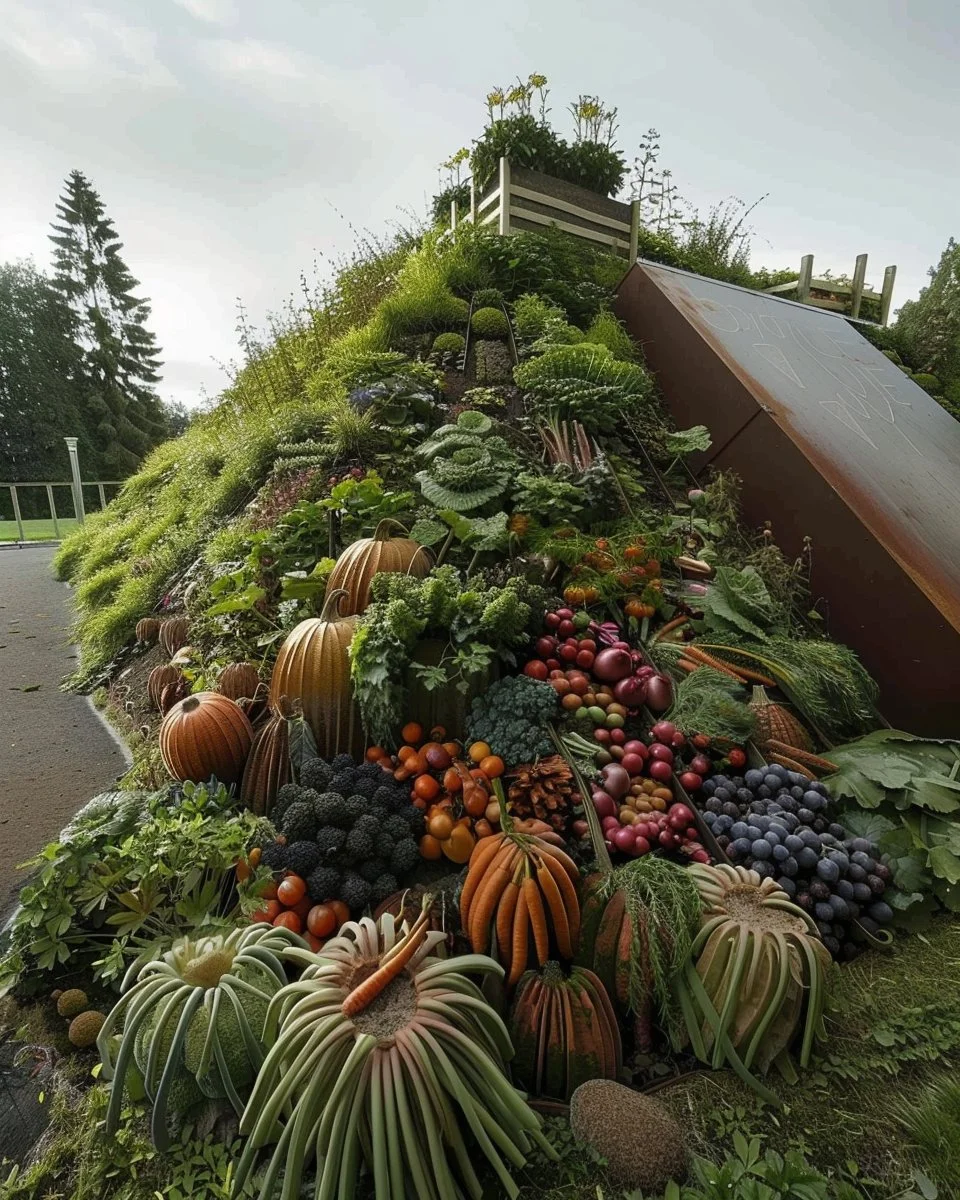
Have you ever stepped into a garden so captivating that it felt like you were in a hidden paradise? Landscaping can transform an ordinary yard into an extraordinary space, and one of the most effective ways to achieve this is through mound landscaping. Whether you’re looking to create depth, improve drainage, or simply add visual interest, the right mounds can breathe life into your outdoor area. In this article, we will share 18+ inspiring mound landscaping ideas that will guide you in transforming your backyard into a stunning retreat. Get ready to explore creative concepts that can suit various tastes and styles, making your outdoor space the talk of the neighborhood!
Table of Contents
Unique Mound Shaping Techniques
When creating a standout landscape, the shape of your mounds can truly set your project apart.
Natural Gradation Designs
Natural gradation involves creating mounds that rise and fall gently, mimicking the curves of nature. This design often results in a more organic feel, encouraging the eye to travel through the garden. To achieve this look, start small and gradually build height, allowing for waves of foliage and flowers to flow naturally.
Geometric Mounded Shapes
If you prefer a more structured appearance, geometric shapes can work wonders. Think of sharp triangles or perfectly rounded mounds that can be highlighted with contrasting plants. A vibrant flower bed on a circular mound, for instance, can bring attention and intrigue to your space while making it look contemporary and chic.
Plant Selection for Mounds
Choosing the right plants for your mounds is crucial for success.
Sun-Loving Plants
If your mound is in a sun-drenched area, consider using succulents, lavender, or butterfly bush. These plants not only thrive in full sun but also bring vibrant colors and textures to your landscape.
Shade Tolerant Species
For shadier mounds, hostas, ferns, and astilbes provide lush greenery and beautiful blooms. These plants will thrive in lower-light conditions and create a serene atmosphere.
Edible Options
Did you know you can also grow food on your mounds? Consider adding strawberry plants or herbs like rosemary and thyme. This eco-friendly choice makes your landscaping not only beautiful but functional.
Incorporating Hardscapes
Hardscape elements can provide structure and contrast to your mound landscaping.
Stone Pathways
Create inviting paths that wind through your mounds. Selecting natural stone can create a rustic feel, while pavers can offer a modern touch. The key is to ensure paths allow easy access to plants and connect various areas of your garden.
Decorative Boulders
Strategically placing boulders can add visual interest and stability to your design. Consider using a mix of varying sizes to make it look more natural and appealing. Plus, they can serve as unique natural sculptures in your garden.
Water Features with Mound Landscaping
Adding a water feature can elevate your landscaping situation significantly.
Miniature Waterfalls
A small waterfall cascading over a mound can create a tranquil ambiance. The sound of gently flowing water alongside the visual of greenery makes your garden feel peaceful and inviting.
Ponds and Retention Basins
Constructing a small pond on a mound can also enhance your landscaping. Not only does it serve as a habitat for wildlife, but it can also attract beneficial insects and pollinators to your garden.
Seasonal Mound Maintenance Tips
Maintenance is crucial to keeping your mounds looking their best, regardless of the season.
Soil Care and Fertilization
Invest in quality soil amendments to give your plants the nutrients they need. Regularly test your soil to ensure it remains balanced, and don’t forget to add mulch to reduce weeds and retain moisture.
Pruning and Plant Care
Regular pruning is essential to maintain the health of your plants. Trim back any dead or overgrown foliage, and keep an eye out for pests to keep your mound thriving.
Creative Uses for Mounds
Think outside the box regarding what you can do with your mounds!
Seating Areas and Fire Pits
Imagine cozying up with friends around a fire pit built into a mound. You can create seating areas with comfortable chairs or benches at varying heights for relaxation.
Play Areas for Kids
Another great option is to design play areas for children within mound landscapes. A small climbing mound can provide hours of fun and allow kids to engage with nature actively.
DIY vs. Professional Installation Considerations
Deciding whether to tackle mound landscaping yourself or hire a professional can feel daunting.
Budgeting for Your Project
Start by estimating your budget based on the materials and plants you wish to use. Determining whether you can afford to hire help will depend on your overall project goals.
Choosing the Right Professionals
If you opt for professional assistance, ensure you choose someone with a solid portfolio and glowing recommendations. A good landscaper can help bring your vision to life while considering safety and practicality.
Conclusion
Transforming your outdoor area doesn’t have to be overwhelming. With the right concept and inspiration, you can create stunning landscapes using mound techniques. The 18+ inspiring mound landscaping ideas we’ve explored here are just the tip of the iceberg. Remember that landscaping is an evolving process; don’t hesitate to experiment and adapt techniques to suit your style. Your garden can become a peaceful retreat, vibrant centerpiece, or playful adventure area, all through the artful use of mounds. Happy landscaping!
FAQs
What are the benefits of mound landscaping?
Mound landscaping helps with drainage, adds visual interest, and can be used to create unique microclimates for different plants.
How do I start a mound landscape project?
Begin by assessing your yard’s layout, identifying areas where mounds would enhance the landscape, and planning the plants and features you’d like to incorporate.
Can I use native plants in my mounds?
Absolutely! Native plants can thrive in your local conditions and often require less maintenance, making them a fantastic choice for mound landscapes.
How tall should my mounds be?
Mounds should generally be 1-3 feet high, but the height can vary depending on your yard’s slope and the overall design.
How do I maintain mounds throughout the seasons?
Proper care includes mulching, regular pruning, and applying fertilizer. Seasonal inspections will help identify any issues with pests or plant health.