
Introduction
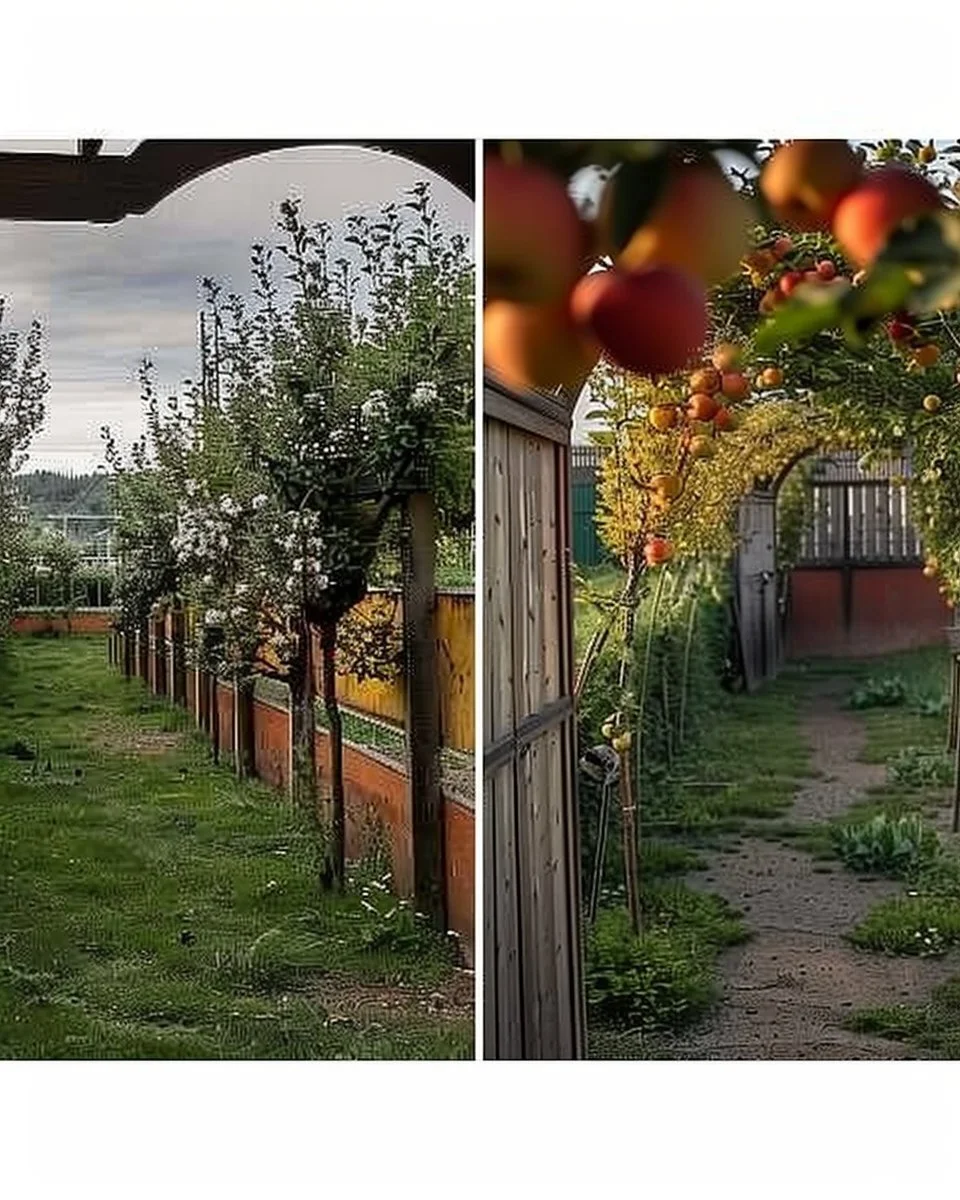
Imagine stepping into your backyard and being enveloped by the sweet fragrance of fresh fruit trees, their branches heavy with ripe apples, pears, and peaches. A backyard orchard is more than just a collection of trees; it’s a personal sanctuary where you can nourish not only your body but also your soul. Today, I’m excited to share with you 15+ Inspiring Backyard Orchard Ideas that will transform your outdoor space into a lush fruit haven.
Whether you have a sprawling yard or a cozy garden, there’s a style and approach that fits your space. In this guide, you’ll discover everything from essential planning tips to creative designs. So, let’s dive into these ideas and start visualizing your dream backyard orchard!
Table of Contents
Choosing the Right Fruit Trees
When embarking on your backyard orchard journey, the first step is choosing the right fruit trees. Not all trees fit every environment, so it’s essential to consider a few key factors.
Consider Your Climate
Before planting, assess your local climate. Certain fruit trees thrive in specific regions; for instance, apple trees love the cooler climates of the north, while citrus trees need warmer, more tropical conditions. Over time, I’ve learned that researching hardiness zones can save you a lot of heartache later on when trees don’t survive unexpected weather.
Space Requirements
Think about how much space you have available. Dwarf varieties can be great for smaller yards, allowing you to enjoy delicious fruit without taking up too much room. On the other hand, if you have a larger area, consider full-sized trees for more substantial yields.
Pollination Options
When selecting trees, keep in mind that some varieties require cross-pollination to bear fruit. For example, many apples and cherries need another tree of a different variety nearby. If you plan carefully, you can enjoy a more fruitful harvest.
Designing Your Orchard Layout
Once your trees are chosen, designing the layout of your orchard is the next exciting step.
Traditional vs. Modern Designs
An orchard doesn’t have to conform to a single design style. A traditional layout might include neat rows of trees, while a modern aesthetic might embrace a more organic, natural look where trees and shrubs intermingle. Reflect on your personal style and how you want your space to feel.
Utilizing Raised Beds
Adding raised beds can enhance aesthetics while providing excellent drainage and soil quality. These beds are particularly beneficial for strawberries and other smaller fruits that thrive in rich soil.
Companion Planting
Don’t overlook the power of companion planting. Incorporating herbs like basil or flowers such as marigolds near your fruit trees can attract beneficial insects and improve pollination rates. This friendly association can make your orchard not only yield fruit but also provide environmental benefits.
Maintaining Your Backyard Orchard
Creating a beautiful orchard is just the beginning. Regular maintenance is essential for long-term success.
Seasonal Care Routines
Each season brings its own tasks. In spring, it’s vital to prune your trees to encourage growth, while summer often requires frequent watering. I remember the thrill of my first summer harvest, where every piece of ripe fruit felt like a small victory.
Pest Management
Dealing with pests is often one of the biggest challenges for orchardists. Implementing organic solutions like neem oil or introducing beneficial insects can help manage problems without harsh chemicals. Establishing a monitoring routine can keep those pesky critters at bay.
Organic Practices
As a home gardener, I’ve seen the benefits of organic practices firsthand. Using compost, mulch, and natural fertilizers not only supports a healthy ecosystem but also enhances the taste of the fruit.
Maximizing Small Spaces
You don’t need a sprawling estate to grow a fruitful orchard. Here’s how to maximize smaller areas creatively.
Vertical Gardening Techniques
Utilizing vertical space is a game changer. Installing trellises or living walls allows you to grow climbing fruits like grapes and kiwi, saving ground space for other plants.
Container Gardening
Container gardening is perfect for fruit trees in limited spaces or for those renting. Many dwarf fruit trees can thrive in pots, allowing for mobility and easier care.
Espalier Techniques
Espalier involves growing trees against walls or fences in a flat, two-dimensional form. It’s visually stunning and an efficient way to cultivate more fruit in a small area.
Seasonal Inspiration and Events
Your backyard orchard can be the centerpiece of seasonal events, providing endless opportunities for inspiration.
Seasonal Harvest Themes
Consider hosting seasonal harvest parties. When the pear and apple trees bear fruit, invite friends to pick and enjoy. Sharing recipes and meals created from your harvest can bring everyone together and celebrate the joy of homegrown produce.
Orchard Tours and Educational Opportunities
Get involved with local community gardening groups. Offering orchard tours or workshops can draw novice gardeners. Sharing knowledge about what you’ve learned is fulfilling and strengthens community ties.
Collaborative Community Events
Consider collaborating with neighbors for a community orchard day. Planting together fosters friendships and enables everyone to benefit from a shared fruit yield.
Enhancing Your Orchard Experience
Your orchard can become a multidimensional experience beyond just growing fruit.
Outdoor Seating and Gathering Spots
Installing benches or picnic tables amidst the trees creates inviting spaces for relaxation or gathering with family and friends. Enjoy a cup of coffee surrounded by the fruits of your labor!
Educational and Interactive Elements
Think about how you can make your orchard educational. Signage that explains growth cycles or the benefits of various fruits could attract both adults and children. You’ll create a space that’s engaging and informative.
Integrating Other Plants and Flowers
Don’t forget the power of color and beauty! Interspersing flowers with fruit trees adds aesthetic appeal and attracts pollinators, enhancing your orchard’s productivity.
Conclusion
Creating a backyard orchard is a rewarding endeavor that requires thought, care, and creativity. From selecting the right trees to crafting an engaging space, the ideas shared in these 15+ Inspiring Backyard Orchard Ideas can pave the way for a fruitful future. Whether you envision a quaint seating area beneath your apple trees or an educational garden for little ones, the possibilities are endless. So grab your gardening gloves and dig into the wonderful world of backyard orchards!
FAQs
What fruit trees are best for beginners?
For beginners, apple trees and blueberries are often recommended as they are relatively easy to grow and care for.
How much space do I need for an orchard?
This depends on the number and type of trees. Dwarf trees may only need 4-6 feet, whereas full-sized trees require more space—consider 15-20 feet apart.
How do I know if my soil is suitable for planting?
Conduct a soil test to analyze pH and nutrient levels. Most fruit trees thrive in well-draining soil with a pH between 6.0 and 7.0.
Can I grow fruit trees in pots?
Absolutely! Dwarf varieties are ideal for container growth and can thrive with appropriate care and watering.
What’s the best time to plant an orchard?
Early spring or late fall is the best time to plant, ensuring fruit trees establish roots before extreme temperatures set in.