
Introduction
Have you ever enjoyed the zesty flavor of ginger in your favorite dishes or drinks? That unmistakable kick not only adds taste but also has numerous health benefits. If you’re intrigued by the idea of cultivating this versatile plant at home, you’re in for a treat! In this article, you’ll learn how to plant ginger – easy growing tips that will help you enjoy fresh ginger right from your garden. Whether you’re a seasoned gardener or just starting, these insights will guide you step-by-step through the process of planting and nurturing your ginger.
Table of Contents
Understanding Ginger
Ginger Varieties
Ginger (Zingiber officinale) is a fascinating rhizome that boasts multiple varieties. The most common type consumed worldwide is the common ginger or culinary ginger. However, there are others, like the young ginger, which is less fibrous and has a milder flavor. If you’re curious about the differences, each type caters to various culinary uses—exploring them can be quite delightful!
Health Benefits of Ginger
Apart from its culinary benefits, ginger is well-known for its therapeutic properties. It’s been used for centuries to alleviate digestive issues, reduce inflammation, and even improve circulation. With a whole host of antioxidants, ginger can boost your immune system too. Have you wondered how easy it would be to reap these benefits from your very own home-grown ginger?
Choosing the Right Ginger for Planting
When selecting ginger for planting, the best practice is to choose organic ginger over the conventional varieties available in stores. The reason is simple: organic ginger is free from pesticides and chemical treatments that impede growth. Look for healthy-looking rhizomes with tight skin and visible “eyes” or buds—which will sprout and grow into new shoots.
Preparing Your Growing Space
Soil Requirements
Ginger thrives in well-draining, loose soil enriched with organic matter. Aim for a pH range of 5.5 to 6.5 for optimal growth. You can prepare your soil by mixing compost or well-rotted manure into your planting area. This not only improves drainage but also provides the essential nutrients your ginger will need throughout its growth.
Container vs. Ground Planting
Deciding on whether to plant ginger in a container or directly in the ground boils down to space and personal preference. If you live in an area with a cooler climate or limited garden space, a container may be your best option. Just make sure it has drainage holes, as ginger roots are vulnerable to rot if left sitting in water.
Planting Ginger
Timing for Planting
The best time to plant ginger is during the warmer months. Ideally, wait until all chances of frost have passed, typically in the late spring to early summer. This period allows your ginger plenty of warmth to establish roots and sprout shoots effectively.
How to Plant Ginger – Easy Growing Tips
To plant ginger, follow these simple steps:
- Preparation: Soak the ginger rhizome in water overnight to stimulate sprouting.
- Cutting the Rhizome: If your ginger piece is large, you can cut it into smaller sections, ensuring each piece has at least one bud. Let the cut surfaces dry for a few hours to form a protective callus.
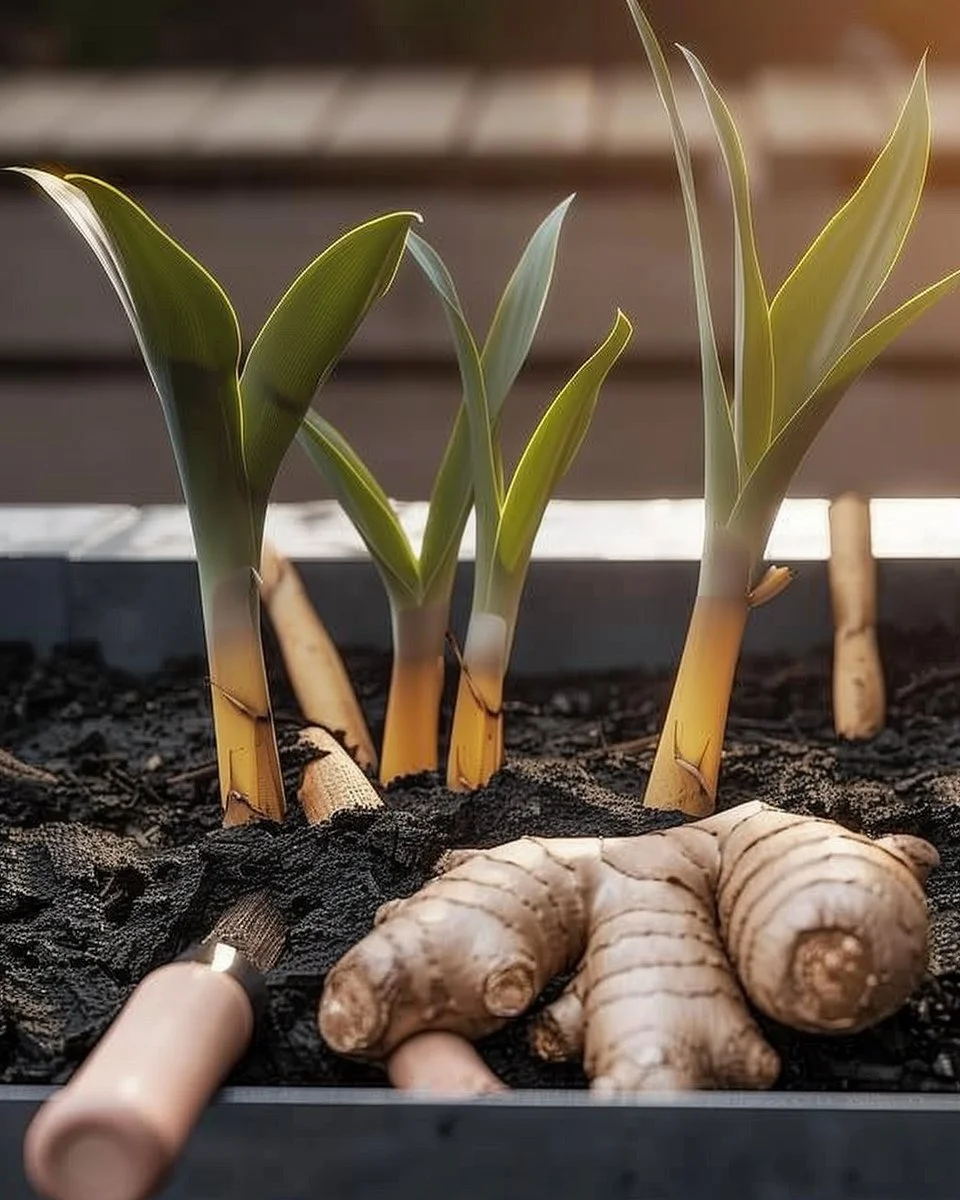
- Planting Depth: Dig a shallow hole approximately 2 inches deep and place the ginger rhizome, bud side up. Cover it with soil.
- Spacing: If you’re planting multiple pieces, ensure they have at least 12 inches of space between them, as ginger can grow quite wide.
- Watering: Give the newly planted ginger a good watering, but avoid over-saturating the soil.
Caring for Your Ginger Plant
Watering and Fertilizing
Ginger enjoys consistent moisture, so it’s vital to keep the soil evenly damp but not waterlogged. Water your ginger plant regularly, especially during dry spells. Consider a light application of fertilizer every few weeks using a balanced liquid fertilizer or organic compost to bolster growth.
Pest and Disease Management
Watch out for pests like spider mites and aphids, which can be problematic. If you notice any discrepancies like yellowing leaves or wilting, inspect the plant closely. Organic insecticidal soap can often control minor infestations without harming your plant.
Harvesting Your Ginger
Once your ginger plant is about 8-10 months old, it’s time to reap the rewards! To harvest, gently dig around the base of the plant to unearth the rhizomes. You can harvest pieces as needed or pull up the entire plant for a larger batch. The younger the ginger, the less fibrous it will be, making it perfect for culinary use.
Conclusion
In summary, learning how to plant ginger – easy growing tips can open up a world of culinary possibilities and health benefits right outside your door. By choosing the right ginger, preparing your soil, planting thoughtfully, and caring for your plants, you’ll be on your way to a bountiful harvest. So roll up your sleeves, embrace the gardening journey, and enjoy the delightful process of growing your own ginger!
FAQs
What is the best way to encourage ginger to sprout?
Soaking the rhizome for 24 hours before planting helps kick-start the sprouting process.
Can ginger be grown indoors?
Yes! Ginger can be successfully grown indoors as long as it receives adequate sunlight and warmth.
How can I tell when my ginger is ready to be harvested?
When the leaves start to wither and yellow, it indicates that your ginger is ready for harvest.
What is the ideal temperature for growing ginger?
Ginger thrives in warm temperatures, ideally between 70°F and 85°F.
Will ginger grow back after harvesting?
Yes, if you leave some rhizomes in the ground when harvesting, they can continue to grow and produce new shoots.