
Introduction
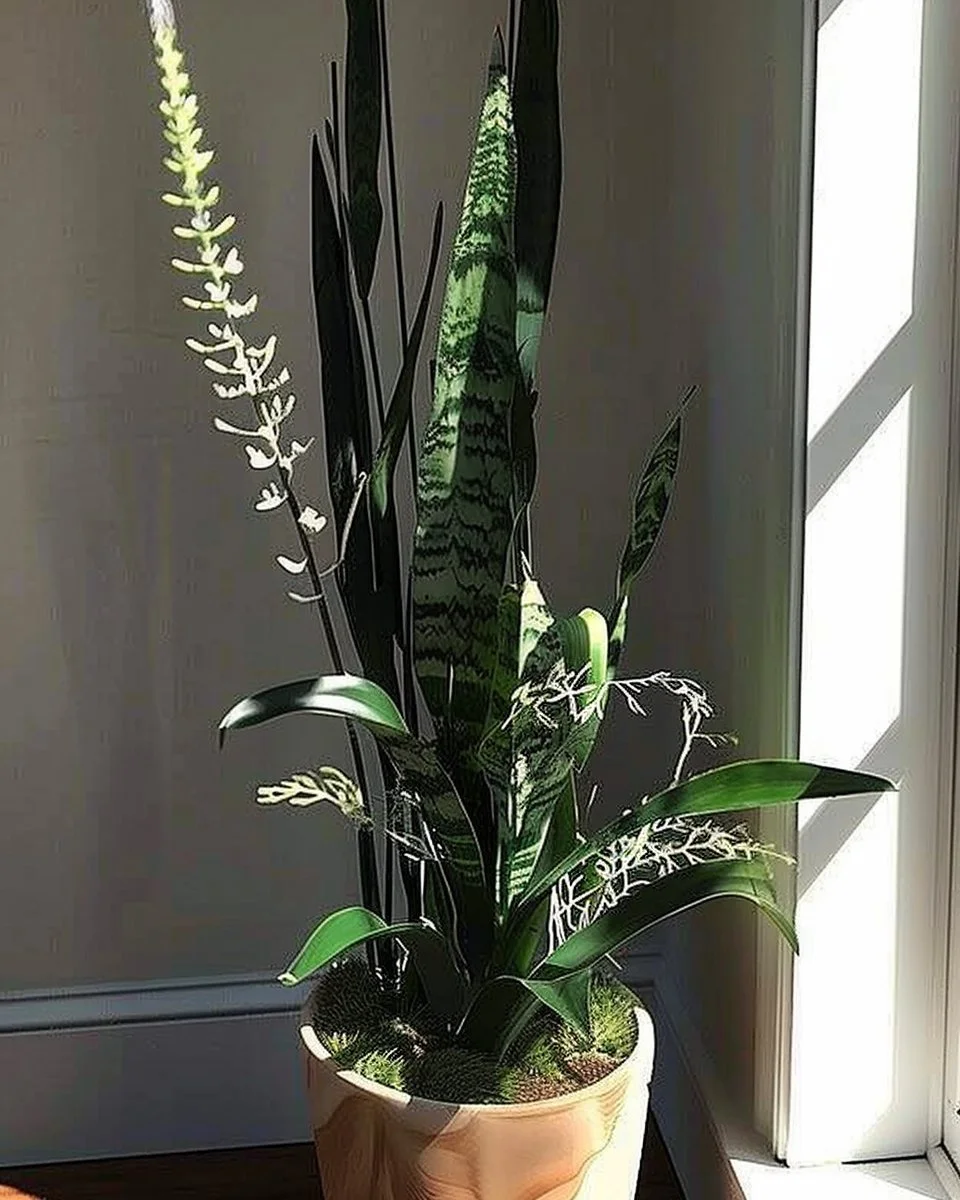
Have you ever found yourself admiring the beautiful blooms of a friend’s snake plant while quietly wondering if yours could ever do the same? Snake plants, also known as Sansevierias, are beloved for their striking architectural forms and resilience. Yet, witnessing these hardy plants bloom, especially with their highly fragrant and rare flowers, can feel like a tall order. In this article, we’ll dive into how to make a snake plant to bloom (highly fragrant & rare), exploring the essential care tips, environmental factors, and the specific conditions that encourage these vibrant blooms. Get ready to transform your humble snake plant into a blooming beauty!
Table of Contents
How to Create the Ideal Environment for Your Snake Plant
Creating the perfect environment for your snake plant is the first step to unlocking its potential to bloom. A few key factors come into play here: light, temperature, and humidity.
Light Requirements for Optimal Growth
While snake plants are notorious for surviving in low light, they thrive best in bright, indirect sunlight. In fact, ample light can stimulate blooms. If your snake plant isn’t getting enough light, you might notice it stretching toward the source, which can hinder blooming. Consider placing it near a window that receives filtered light to encourage growth and potential flowering.
Temperature and Humidity Needs
Snake plants prefer temperatures between 60°F to 80°F (15°C to 27°C). They aren’t fond of cold drafts, so keeping them away from open windows during chillier months is key. Although they can withstand low humidity, a slightly more humid environment can promote blooming. If you live in a dryer climate, occasional misting or placing a humidity tray nearby can help.
The Importance of Proper Watering Techniques
Watering your snake plant correctly is essential for its overall health and ability to bloom.
Signs Your Snake Plant Needs Water
Avoid the temptation to water on a set schedule; instead, check the soil. If the top inch feels dry, it’s time to water. Healthy leaves should be firm and upright. If they appear droopy or wrinkled, more water is necessary.
How to Avoid Overwatering
One of the most common mistakes snake plant owners make is overwatering. Ensure your pot has good drainage to prevent water from sitting at the bottom. If you notice yellowing leaves, this may be a sign you’re overdoing it. Practicing the “soak and dry” method—watering thoroughly and then letting the soil dry out completely before the next watering—works wonders.
Fertilization Tips for Encouraging Blooms
Feeding your snake plant with the right nutrients can enhance its chances of blooming.
Best Fertilizers for Snake Plants
Opt for a balanced, water-soluble fertilizer every few months during the growing season, usually spring and summer. Look for something with low phosphorus to avoid excessive growth and focus on root and flower production. A 20-20-20 liquid fertilizer diluted to half-strength will do the trick.
How and When to Fertilize
Fertilize every 4-6 weeks during the active growing season, and don’t fertilize in the winter when the plant’s growth slows down. Always check the soil moisture before applying fertilizer; it should be moist but not soggy.
Common Mistakes to Avoid
Navigating the world of plant care can be tricky. Here are some common pitfalls when caring for snake plants.
Overwatering Issues
As mentioned earlier, overwatering can lead to root rot, which ultimately hinders blooming potential. It’s wiser to underwater than overwater; your snake plant can bounce back from drought much easier than from too much moisture.
Poor Light Conditions
Avoid placing your snake plant in overly dark spots. It’s a misconception that they can thrive without direct light. Finding the right balance is critical to achieving those rare and highly fragrant blooms.
Understanding the Lifecycle of a Snake Plant
To foster blooms in your snake plant, it’s essential to understand its life cycle.
How Blooms Develop
Snake plants flower from a rosette of leaves, usually during the spring nursery months. The blooms emerge on long stalks that can reach up to 12 inches in height.
Timing of Blooming
Blooming can take a while, often occurring every few years. Don’t be discouraged if yours doesn’t bloom right away; patience is key. With the right care, you may be surprised how quickly they reward your efforts.
Troubleshooting Blooming Issues
If you find your snake plant still won’t bloom, consider the following troubleshooting tips.
Possible Reasons for Non-Blooming
Your plant might not bloom due to inadequate light, improper watering, or nutrient deficiency. Conduct a little investigation on your care routine to identify any shortcomings.
Adjusting Care for Better Results
Making minor adjustments in light exposure, watering frequency, and feeding can make a significant impact on your plant’s flourishing abilities. It could be the difference between a green leaf and a fragrant bloom.
Conclusion
In conclusion, learning how to make a snake plant to bloom (highly fragrant & rare) involves a few crucial steps: providing the right environment, watering properly, fertilizing effectively, and avoiding common mistakes. As you implement these practices, you’ll likely find that your snake plant not only thrives but may reward you with beautiful blooms that are both striking and fragrant. Keep nurturing your plant with care and attention, and soon you may just find that blossom you’ve been yearning for.
FAQs
How often should I water my snake plant?
Water your snake plant when the top inch of the soil feels dry, typically every 2-3 weeks. Adjust for seasonal changes.
How can I encourage my snake plant to bloom?
Provide bright, indirect sunlight, correct watering habits, and balanced fertilization to encourage blooming.
What do snake plant flowers smell like?
Snake plant flowers emit a sweet fragrance that is often described as pleasant and intoxicating, especially at night.
Can snake plants bloom indoors?
Yes, snake plants can bloom indoors with the right conditions, such as adequate light and proper care.
What should I do if my snake plant has not bloomed for several years?
Reevaluate your care regimen, including light, watering, and fertilization. Adjustments may encourage blooming.