
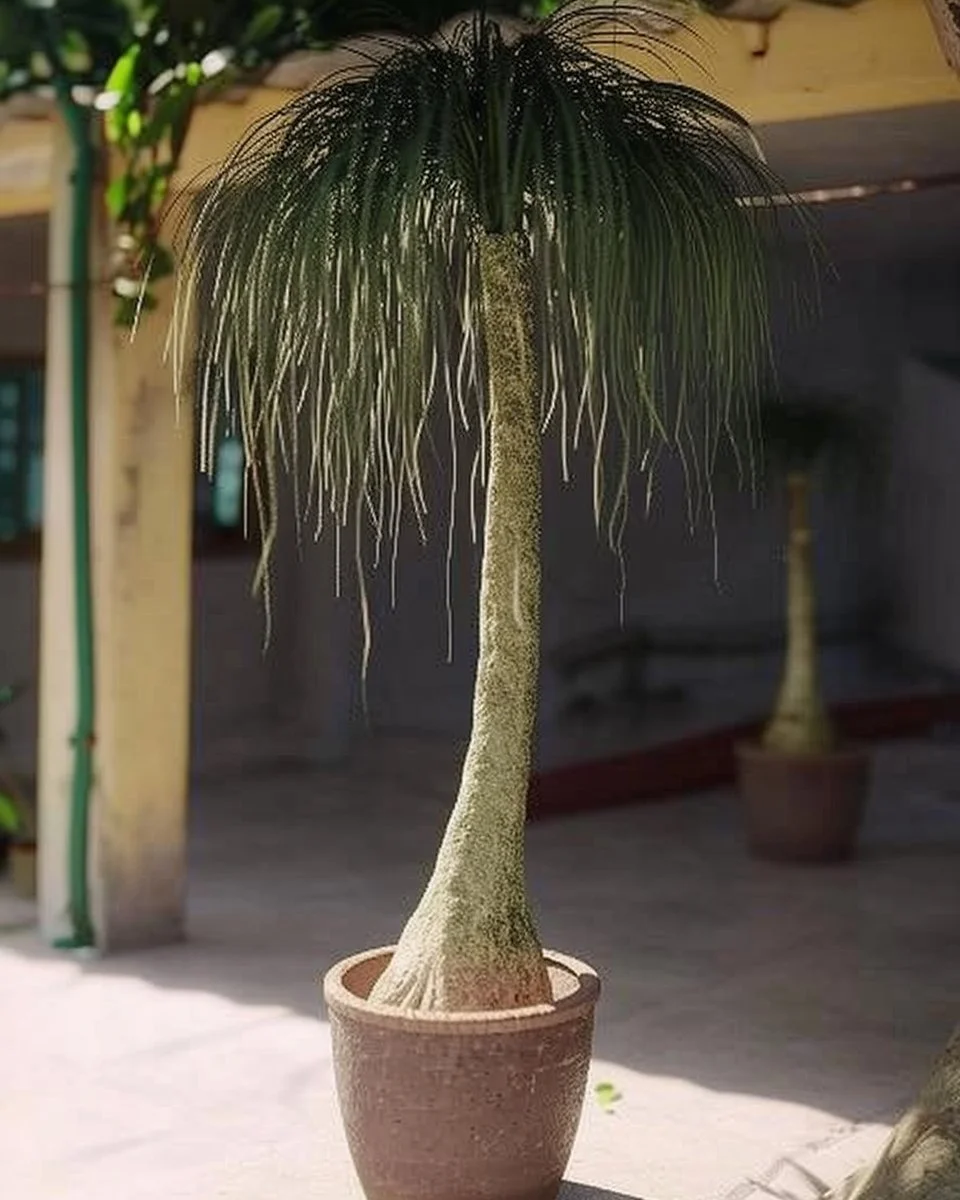
Have you ever admired a lush, towering Ponytail Palm in a friend’s living room or at a trendy café and thought, “How did they make it this big?” It’s a common wish among plant enthusiasts to see their slow-growing Ponytail Palms thriving and reaching impressive heights. If you’re among those eager to transform your space with this unique houseplant, you’ll be thrilled to learn how to make Ponytail Palm grow taller and large: 6 tricks. In this guide, we’ll delve into effective strategies and tips that can help you nurture your Ponytail Palm, ensuring it flourishes beautifully in your home.
Table of Contents
How to Care for Your Ponytail Palm
Caring for your Ponytail Palm is the first step in ensuring it grows tall and large. This unique plant, also known as Beaucarnea recurvata, is native to the arid regions of Mexico, adapting beautifully to indoor environments if cared for correctly.
Understanding Its Natural Habitat
To recreate its ideal environment, start by studying the natural habitat of the Ponytail Palm. These plants thrive in regions with plenty of sunlight and have adapted to survive in dry conditions with minimal water. Mimicking this environment will help your plant grow.
Ideal Soil and Potting Techniques
Ponytail Palms prefer well-draining soil. A potting mix designed for cacti or succulents is often ideal. When repotting, ensure the pot has drainage holes; this will prevent water from accumulating and causing root rot. Aim to repot every couple of years or when you notice the roots outgrowing their current space.
Ensuring Proper Light Exposure
Lighting plays a crucial role in how to make Ponytail Palm grow taller and large. This plant loves bright, indirect light but can also tolerate some direct sunlight.
Optimal Lighting Conditions
Position your Ponytail Palm near a window that receives ample light but is shielded from the harsh afternoon sun. During the winter months, you might need to rotate your plant to ensure all sides receive light, promoting even growth.
Signs of Insufficient Light
If your Ponytail Palm is elongated or leaning toward the light source, it’s a sign it’s not getting enough light. Adjust its position for better exposure, and you’ll soon see more balanced and healthy growth.
Watering and Fertilization Essentials
The watering schedule and fertilization methods can significantly impact your Ponytail Palm’s height and size.
Watering Frequency and Techniques
One of the frequent mistakes is overwatering. Ponytail Palms prefer to dry out between waterings. A good rule of thumb is to water when the top inch of the soil feels dry. During the growing season (spring to summer), watering may be needed every two weeks, while in the winter, it will be less frequent.
Choosing the Right Fertilizer
Use a balanced, water-soluble fertilizer every four to six weeks during the growing season. However, avoid fertilizing in the winter when the plant’s growth naturally slows down. This practice will give your Ponytail Palm the nutrients it needs without overwhelming it.
The Importance of Pruning and Repotting
Regular maintenance is a part of learning how to make Ponytail Palm grow taller and large. Pruning and repotting are crucial components.
When to Prune Your Ponytail Palm
Pruning helps control growth and improves air circulation around the plant. Trim any dead or brown leaves at the base to encourage new growth and maintain a charming appearance.
How to Repot Effectively
When it’s time to repot, choose a slightly larger pot—about one size up from the current pot. Fill it with fresh soil, ensuring good drainage. Be gentle with the roots; they can be fragile.
Dealing with Common Pests and Issues
Keeping your plant healthy is a key to its growth. To do that, become familiar with common pests and how to address them.
Identifying Common Pests
Watch out for spider mites and mealybugs, which are common annoyances for houseplants. If you notice any tiny webs or white cottony spots on your Palm, it’s time for action!
Preventative Measures for Healthier Plants
Maintaining optimal light and watering conditions can help prevent pest infestations. Additionally, consider wiping down the leaves occasionally to keep them dust-free. This will not only make your plant look its best but also promote photosynthesis.
Creating the Right Environment
Lastly, the overall environment you create can heavily influence how to make Ponytail Palm grow taller and large, making it flourish.
Ideal Temperature and Humidity
Ponytail Palms thrive in temperatures between 60°F and 80°F (15°C to 27°C). Ensure that the humidity levels remain moderate; they’re not fond of excessive humidity, so avoiding overly steamy areas is essential.
How to Boost Indoor Conditions
If you notice your indoor humidity is low, consider placing a humidifier nearby or grouping your plants together. They create a natural humidity increase.
Conclusion
In summary, nurturing your Ponytail Palm requires a combination of proper care, the right environment, and ongoing maintenance. By applying these insights on how to make Ponytail Palm grow taller and large: 6 tricks, your plant can thrive in your home. Remember that patience and consistency are key—over time, you’ll be rewarded with a striking and flourishing tropical addition to your space.
FAQs
How often should I water my Ponytail Palm?
Water your Ponytail Palm every two weeks during the growing season, allowing the soil to dry out between waterings.
What type of soil is best for Ponytail Palms?
Well-draining soil, like cactus or succulent mix, is ideal for Ponytail Palms to prevent root rot.
Can I place my Ponytail Palm in direct sunlight?
While it can tolerate some direct sunlight, bright, indirect light is best for optimal growth.
When is the best time to fertilize my Ponytail Palm?
Fertilize every four to six weeks during the growing season, but avoid fertilizing in the winter.
How do I know if my Ponytail Palm is getting enough light?
If your Palm is leaning toward the light source or elongated, it means it’s not getting enough light. Adjust its placement for better exposure.