
Introduction
Have you ever wondered why grocery store ginger roots look so vibrant and fresh while the ones you try to grow at home often seem lackluster? If you’re a fan of cooking with ginger or even just enjoy the taste of fresh ginger tea, you might be interested in learning the secret behind growing your own grocery store-quality ginger at home. In this article, you’ll discover not only how fulfilling and simple it is to cultivate ginger but also a detailed How To Grow Grocery Store Ginger Roots Recipe that will elevate your gardening game. Let’s dive into the cultivation of this remarkable herb, which can thrive right in your kitchen or garden, providing fresh flavors at your fingertips!
Table of Contents
Choosing the Right Ginger Root for Planting
Understanding Ginger Varieties
When you set out to grow ginger, it’s essential to know the different varieties available. The most common one found in grocery stores is the “Zingiber officinale,” which is great for cooking and brewing. Other notable varieties include “Mangalorean,” known for its strong aroma, and “Japanese ginger,” which has a milder flavor. Each type has unique characteristics that can influence the taste of your dishes.
Selecting Healthy Rhizomes
Now, let’s talk about what to look for in your ginger root. Choose plump, firm rhizomes that are free from blemishes. They should feel heavy for their size, indicating that they are full of moisture and vitality. At times when you’re at the store, you might encounter ginger roots with small eyes or growth nodes – those are perfect for planting, as these points will sprout new shoots when planted properly.
Preparing to Plant Ginger
Best Soil Types for Ginger
Ginger thrives in rich, well-draining soil that retains moisture without becoming waterlogged. A mix of loamy soil with compost will offer the nutrients ginger needs while ensuring adequate drainage. If you’re planting in a pot, consider adding perlite or sand to improve aeration and drainage. This preparation lays the groundwork for healthy root development.
Ideal Container Options
If you’re short on garden space or prefer an indoor setup, pots are fantastic for growing ginger. Look for containers that are at least 12 inches deep, allowing the roots sufficient space to expand. Remember, larger pots typically yield more ginger, as they give the plants more room to grow. Opt for those with drainage holes to prevent water accumulation, which could rot the roots.
Planting Your Ginger Roots
The Right Planting Technique
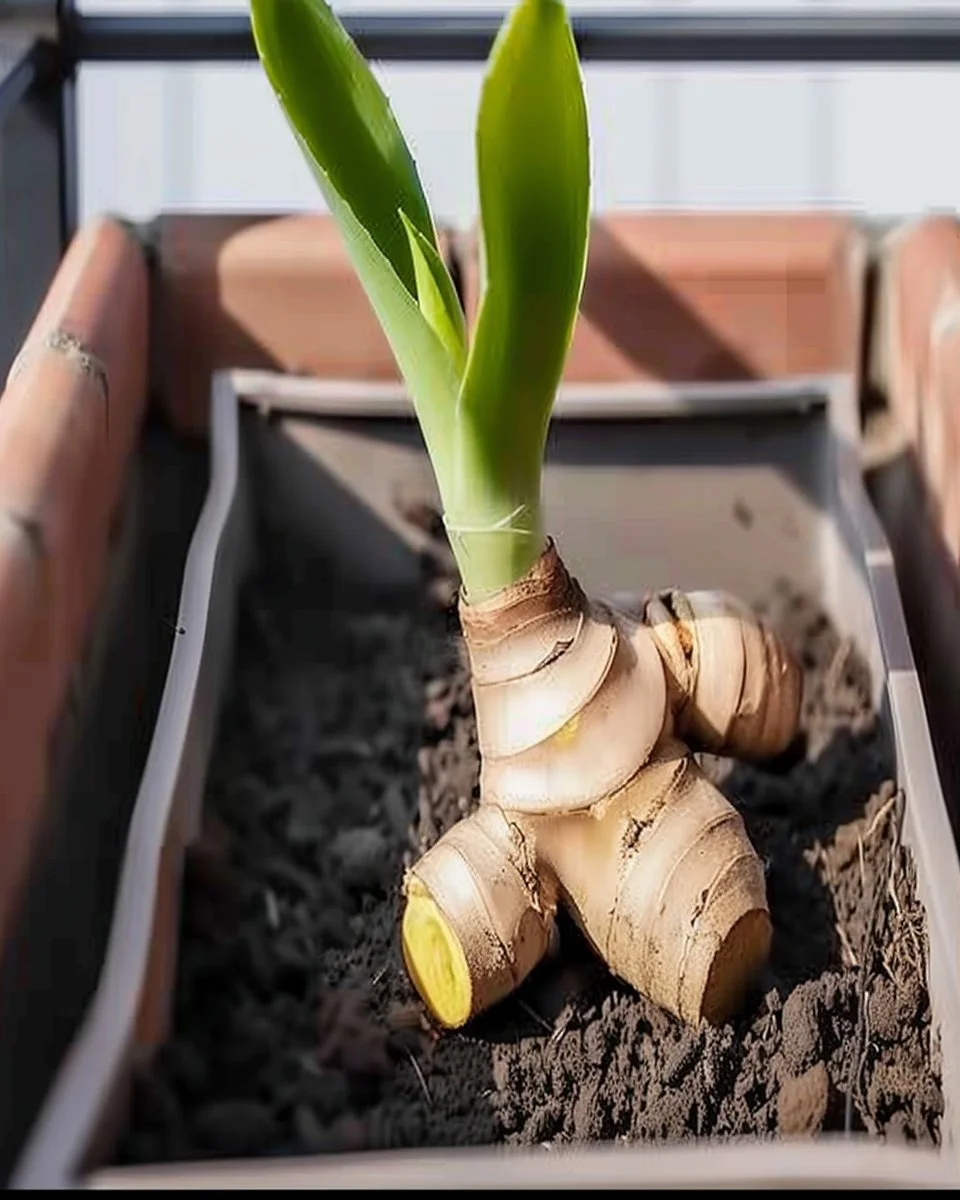
When you’re ready to plant your ginger rhizomes, use the following technique: bury them about two inches deep in the soil, with the eyes facing up. If you’ve got a larger rhizome, feel free to cut it into smaller sections, ensuring each piece has at least one eye. This can promote more extensive growth and lead to a bountiful harvest.
Perfect Timing for Planting
Ginger is a warm-weather plant, thriving best in temperatures between 70°F and 85°F (21°C to 29°C). If you’re planting outdoors, wait until the last frost has passed in the spring. Alternatively, you can get a jumpstart by planting early indoors, and then transferring them outside once they’re hardy.
Caring for Your Ginger Plants
Watering and Fertilizing Tips
Ginger likes moisture but hates sitting in water. Water your ginger plants regularly, keeping the soil consistently moist but not soaked. A good rule of thumb is to check the top inch of soil; if it’s dry, it’s time to water. Also, consider using a liquid fertilizer every four to six weeks to provide essential nutrients, aiding in the robust growth of your ginger.
Managing Light and Temperature Conditions
Ginger prefers filtered light, so if you’re growing it indoors, place it near a window that doesn’t receive direct sunlight. Outdoors, partial shade is ideal. Be mindful of temperature, particularly if you’re in a colder region; ginger shouldn’t be exposed to temperatures below 50°F (10°C).
Harvesting Your Ginger
When to Harvest for Maximum Flavor
Patience is key when growing ginger! Depending on the variety and conditions, ginger can take anywhere from 8 to 10 months to mature. You’ll know it’s time to harvest when the leaves start turning yellow and dying back. The longer you wait, the stronger the flavor will be, but don’t wait too long to avoid tough roots.
Techniques for Harvesting Without Damage
To harvest, gently dig around the roots with a fork or spade. Take care not to break or damage them during this process. If you want to harvest only a portion of your ginger, simply cut off the rhizome with a sharp, clean knife, ensuring that the remaining part stays in the ground to continue growing.
Common Issues and Solutions
Handling Pests and Diseases
While ginger isn’t typically plagued by serious pests, keep an eye out for aphids or spider mites. If you notice any pests, treat the plants with neem oil or insecticidal soap for a safe solution. Additionally, maintain air circulation around plants to minimize fungal diseases.
Troubleshooting Growth Issues
If your ginger isn’t growing as expected, check for common issues such as poor drainage or insufficient light. Sometimes, simply repositioning your pot or adjusting your watering routine can revive a struggling plant. Remember, experimenting with different conditions can help you find the perfect environment for optimal growth.
Cooking with Your Homegrown Ginger
Delicious Ginger Recipes to Try
The best part about growing your own ginger is the endless culinary possibilities. You can use fresh ginger to create everything from zesty stir-fries to invigorating ginger tea. One of my favorite recipes involves brewing ginger tea by steeping freshly grated ginger in boiling water for about 10 minutes. Add honey and lemon for a refreshing drink that’s perfect for any time of year!

Tips for Storing Fresh Ginger
If you find yourself with a surplus, store your ginger in the fridge in a paper bag or container to prolong freshness. You can also freeze ginger for longer storage, either whole or grated. A quick tip: peeling it before storing can save you time when you’re ready to use it in your recipes later.
Conclusion
Growing your own ginger at home can be a rewarding experience, both for your taste buds and your gardening skills. You’ve learned the ins and outs of how to grow grocery store ginger roots with simple steps that lead to a bountiful harvest. By following the How To Grow Grocery Store Ginger Roots Recipe, not only will you enjoy that fresh flavor, but you’ll also have the satisfaction of nurturing a plant from root to harvest. So, grab those ginger rhizomes, plant them in your garden or pots, and enjoy the journey of home gardening. Your culinary adventures await!
FAQs
Can I grow ginger indoors?
Absolutely! Ginger grows well indoors as long as you provide it with the right light and warmth conditions.
How long does it take for ginger to sprout?
Ginger typically takes 2 to 3 weeks to sprout after planting, depending on the conditions.
What can I do if my ginger leaves turn yellow?
Yellowing leaves may indicate overwatering. Reduce watering and make sure your ginger has proper drainage to resolve the issue.
Can I use store-bought ginger directly for planting?
Yes, as long as the ginger is organic and has viable growth eyes.
Is it necessary to peel ginger before using it in cooking?
No, it’s not necessary to peel ginger. However, peeling does remove the fibrous skin and can make the ginger easier to consume in certain dishes.