
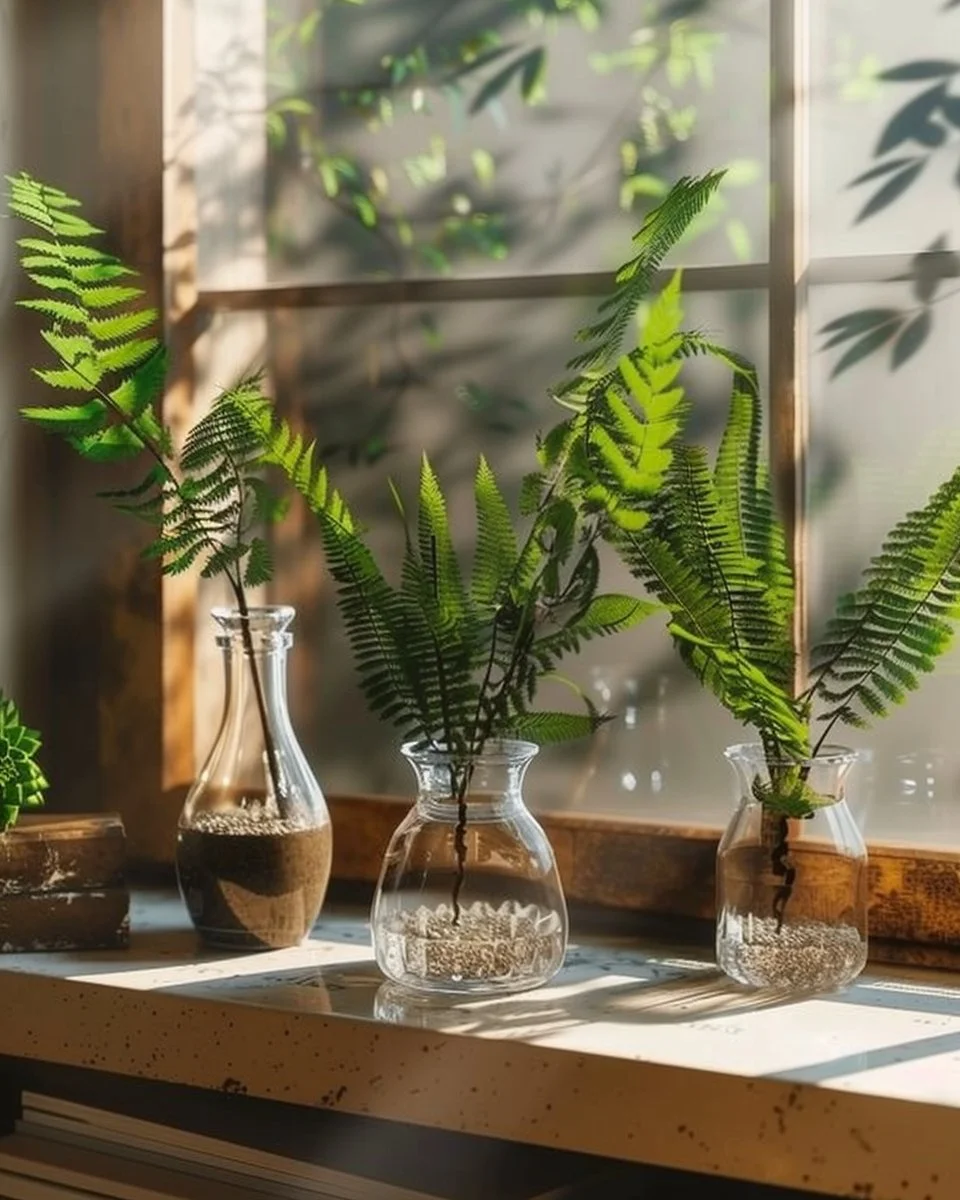
Introduction
Have you ever wandered through a forest and admired the lush green ferns dancing in the light? These beautiful plants aren’t just for the great outdoors; they can thrive right in your home! If you’ve been curious about how to grow ferns in water, you’re in the right place. Many indoor gardeners are discovering this unique method of cultivation that not only beautifies your space but also purifies the air. In this guide, you’ll learn everything you need to know—from selecting the right type of fern to tips for caring for them as they flourish in water. Let’s dive in!
Table of Contents
Choosing the Right Ferns for Water Growth
There are a few types of ferns that thrive especially well in water. You’ll want to consider both their natural habitat and their adaptability to this unique growing environment.
Popular Fern Varieties for Water
Some ferns are well-suited for water growing. The Boston Fern, Maidenhair Fern, and even some varieties of Pothos and Philodendrons can be excellent choices. Each of these has distinct features that contribute to its success in hydroponic conditions.
Essential Characteristics of Water-Adaptable Ferns
Look for ferns that naturally grow in moist conditions, as these will have a much easier time adapting to life in water. Characteristics like a fibrous root system and the ability to absorb nutrients from the water make them great candidates. Always research specific species to see which ones invite success into your home!
Preparing for Water Planting
Before you start growing, make sure you’re equipped with the right tools and knowledge.
Required Supplies for Success
You don’t need much to get started in water growing ferns. A clear glass vase or container will do beautifully as they allow you to see the roots developing. You’ll also want some activated charcoal, which can help keep your water clean, and a few pebbles to stabilize your plant.
Water Quality and Temperature Considerations
Always use filtered or distilled water if possible. Tap water can contain chemicals that may harm your fern, such as chlorine or fluoride. The ideal temperature for your water should be room temperature, around 65 to 75 degrees Fahrenheit—too cold or too hot can shock the plant.
Step-by-Step Guide on How to Grow Ferns in Water
Growing ferns in water involves a few easy steps that anyone can follow!
Initial Water Propagation Techniques
Start by taking a cutting from a healthy fern. Make sure it has a few leaves and at least some roots. Place this cutting directly into the water-filled container. Keep the leaves above the water to prevent rot. Change the water every week to keep it fresh and nutrient-rich.
Transitioning to Long-Term Water Growth
Once your ferns have developed roots, they should adapt to their water environment. As a rule of thumb, once you see new growth, that’s a good sign that your fern is ready for long-term care in its water home.
Caring for Your Water-Grown Ferns
Caring for ferns in a water environment is a bit different, but once you understand their needs, it’s quite simple!
Light and Temperature Needs
Most ferns prefer indirect sunlight. If you notice your fern has become leggy or is stretching towards the light, it may need a brighter location. Keep the temperature stable, avoiding sudden drafts or extreme heat.
Nutritional Requirements
Since water doesn’t have nutrients, use a liquid fertilizer specifically designed for ferns every few weeks. Always dilute it to avoid over-fertilizing, which can lead to unwanted algae growth or harming your plants.
Troubleshooting Common Issues
As with any gardening adventure, you may run into a few bumps along the way.
Identifying Pests on Water-Grown Ferns
Keep an eye out for common pests like aphids or spider mites. If you notice any, gently wash your fern with a diluted soap solution. Sometimes a simple rinse can help dislodge them and give your fern a fresh start.
Signs of Stress in Your Ferns
If your fern is turning yellow or browning at the tips, it could be a sign of overexposure to light or a problem with water quality. Always check the roots; if they seem slimy or decayed, it’s time to replace the water and adjust their conditions.
The Benefits of Growing Ferns in Water
Growing ferns in water offers numerous rewards, both aesthetically and environmentally.
Environmental Impact and Air Quality Benefits
Ferns are incredible air purifiers! They can filter out toxins from the air, making your home a fresher environment. Plus, they help maintain humidity, which can be beneficial for your skin and respiratory health.
Aesthetic Appeal and Interior Design Tips
Using water-grown ferns in your decor can add a touch of natural elegance. Consider placing them on window sills, coffee tables, or even hanging them in macramé hangers to create a stunning visual impact.
Conclusion
Learning how to grow ferns in water isn’t just an interesting gardening technique; it’s a way to bring nature into your home that’s both beautiful and beneficial. With just a little patience and the right care, you can enjoy lush greenery and purer air right in your living space. So, gather your supplies, pick the right ferns, and start your delightful plant journey today!
FAQs
Can all types of ferns grow in water?
Not all ferns thrive in water, but many, like Boston ferns and Maidenhair ferns, do quite well. Always research specific types before starting.
How often should I change the water for my ferns?
It’s best to change the water weekly to keep it fresh and to prevent algae growth.
Do I need to fertilize my water-grown ferns?
Yes, a diluted liquid fertilizer can provide the needed nutrients for your ferns, but only every few weeks.
What are the common pests that affect water-grown ferns?
Common pests include aphids and spider mites. Regularly check your plants for any signs of distress.
How can I tell if my fern is getting too much light?
A fern will typically stretch towards the light or develop yellowing leaves if it’s receiving too much direct sunlight. An indirect light source is ideal.