
Introduction
Growing cucumbers can be one of the most rewarding gardening experiences, especially when you see those vibrant green vines sprouting in your backyard. There’s nothing quite like harvesting your own fresh cucumbers, whether for crisp salads, cool sandwiches, or delightful pickles. Have you ever excitedly plucked a cucumber straight from the vine, tasted its freshness, and felt that sense of achievement? If not, you’re in for a treat! Today, I’ll share how to grow cucumbers like a pro, guiding you through every essential detail from selecting the right seeds to maintaining your plants for an abundant harvest. You’ll learn everything you need to know to get started on your cucumber-growing journey, ensuring not only a supply of delicious cucumbers but also a host of gardening skills that’ll serve you well in any project!
Table of Contents
Choosing the Right Cucumber Variety
Before you even get your hands in the dirt, it’s crucial to choose the right cucumber variety. Did you know that cucumbers come in several types, each with unique characteristics? Knowing which one to plant can set you up for success.
Types of Cucumbers
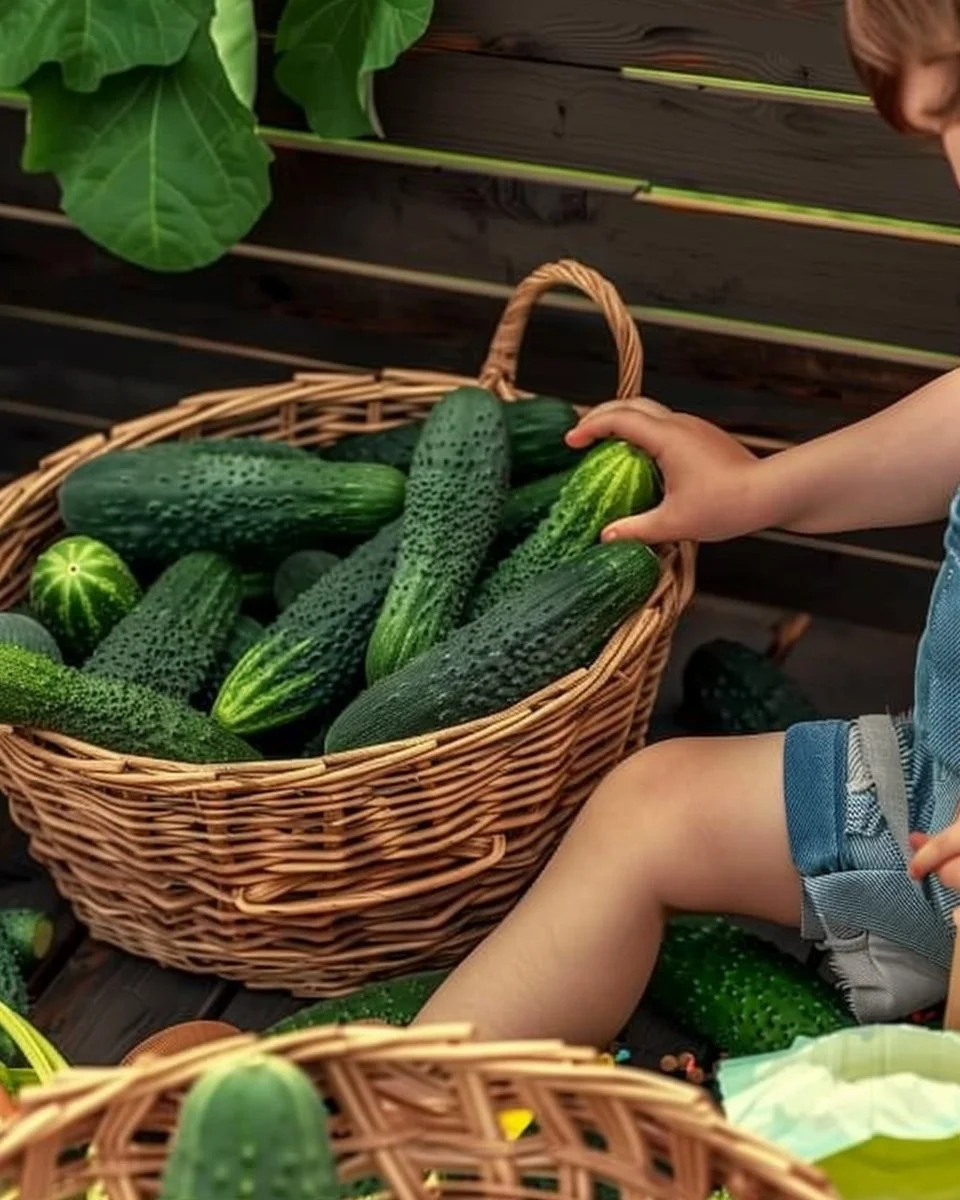
There are primarily two main categories of cucumbers: slicing cucumbers and pickling cucumbers. Slicing cucumbers, such as the popular ‘Marketmore’ variety, are perfect for fresh eating, while pickling cucumbers, like ‘Boston Pickling,’ are shorter and bumpier, ideal for your homemade pickles.
Disease Resistance
When selecting seeds, look for those that offer resistance to common diseases, such as powdery mildew or cucumber mosaic virus. Investing a little time in research will set you up for thriving plants. A tip I learned from my gardening mentor was to always check the seed packet for disease resistance labels, which has proven invaluable in ensuring a successful crop.
Preparing Your Garden Bed
Preparation is key when it comes to gardening, especially for cucumbers.
Soil Quality and Preparation
Cucumbers love well-draining soil rich in organic matter. Amending your garden bed with compost or well-rotted manure can enhance soil structure and provide essential nutrients. A pH level of around 6.0 to 6.8 is ideal, so testing your soil can also help you understand what amendments you might need.
Sunlight Needs
Cucumbers thrive in sunny spots, so select an area of your garden that receives at least 6-8 hours of direct sunlight daily. A little sunlight can go a long way — I’ve often found that my cucumber plants languished in partial shade while thriving beautifully in full sun.
Planting Cucumbers
Now that your garden bed is ready, it’s time to plant. This step can be incredibly exciting!
Sowing Seeds
You can either sow seeds directly in the ground after all danger of frost has passed or start them indoors. If you choose to plant them directly, create small mounds or hills in your garden, spacing them about three feet apart to allow for sprawling vines. Plant 2-3 seeds per mound and thin them to one or two plants once they establish a few leaves.
Transplanting Seedlings
If you’re starting seeds indoors around 4-6 weeks before the last frost date, transplant them gently into the garden once they have a few true leaves. Harden them off first by placing them Outdoors for a few hours each day to acclimate them to the sun and wind.
Caring for Your Cucumber Plants
Your cucumbers are now growing! Regular care is essential for a bountiful harvest.
Watering Tips
Cucumbers need consistent, deep watering to thrive. Aim to provide at least an inch of water per week, either through rainfall or irrigation. I’ve found that watering deeply encourages stronger root development, leading to healthier plants overall. Avoid wetting the leaves directly, as this can promote diseases – watering at the base is always the best practice.
Fertilization Practices
Applying a balanced, all-purpose fertilizer every few weeks will keep your plants well-nourished. There’s nothing like the excitement of watching your cucumbers grow, and knowing they’re getting all the right nutrients keeps that excitement alive!
Pest Control Strategies
Keep an eye out for common pests like aphids, cucumber beetles, and spider mites. Handpicking pests is often the simplest solution, but introducing beneficial insects, such as ladybugs, can help your garden remain in balance. If pests become overwhelming, consider organic options like neem oil or insecticidal soap.
Harvesting Your Cucumbers
You’ve nurtured your plants and now it’s time to reap the rewards!
When to Harvest
Cucumbers are typically ready to harvest about 50-70 days after planting, depending on the variety. Look out for firm, bright green cucumbers. If they start turning yellow or getting large and puffy, they’ve likely been left too long. I’ve learned the joy of tasting freshly harvested cucumbers right in the garden, often hoping to snag one before anyone else in the family gets to it!
How to Store Cucumbers
Once harvested, it’s essential to store cucumbers properly. Keep them in the refrigerator for up to a week to maintain their crispness. Avoid washing them until you’re ready to eat, as excess moisture can lead to spoilage.
Troubleshooting Common Issues
Even pros face challenges, so being prepared can smooth out bumps in the road.
Recognizing Plant Diseases
Common issues with cucumbers can include powdery mildew and blight. Keep an eye on your plants, especially during humid weather, and remove damaged leaves to prevent the spread of disease. Implementing proper spacing and airflow can also minimize these risks.
Addressing Growth Problems
If your cucumber plants seem stunted, it may be due to soil deficiencies or water issues. Consider soil tests and adjust accordingly. Sometimes, it’s also about being patient; garden magic can take a little
time to unfold!
Conclusion
In learning how to grow cucumbers like a pro, you embark on an exciting journey filled with fresh flavors and the satisfaction of cultivating your food. From picking the right variety to harvesting your beautiful cucumbers, each step is crucial for a successful gardening experience. Remember, gardening is as much about enjoying the process as it is about reaping the rewards. Happy growing, and I can’t wait for you to experience the joy of garden-fresh cucumbers!
FAQs
What’s the best time of year to plant cucumbers?
Cucumbers are typically planted in late spring when the threat of frost has passed and the soil temperature is warm.
How often should I water my cucumber plants?
Aim for at least an inch of water per week, adjusting based on rainfall and climate conditions.
Can I grow cucumbers in containers?
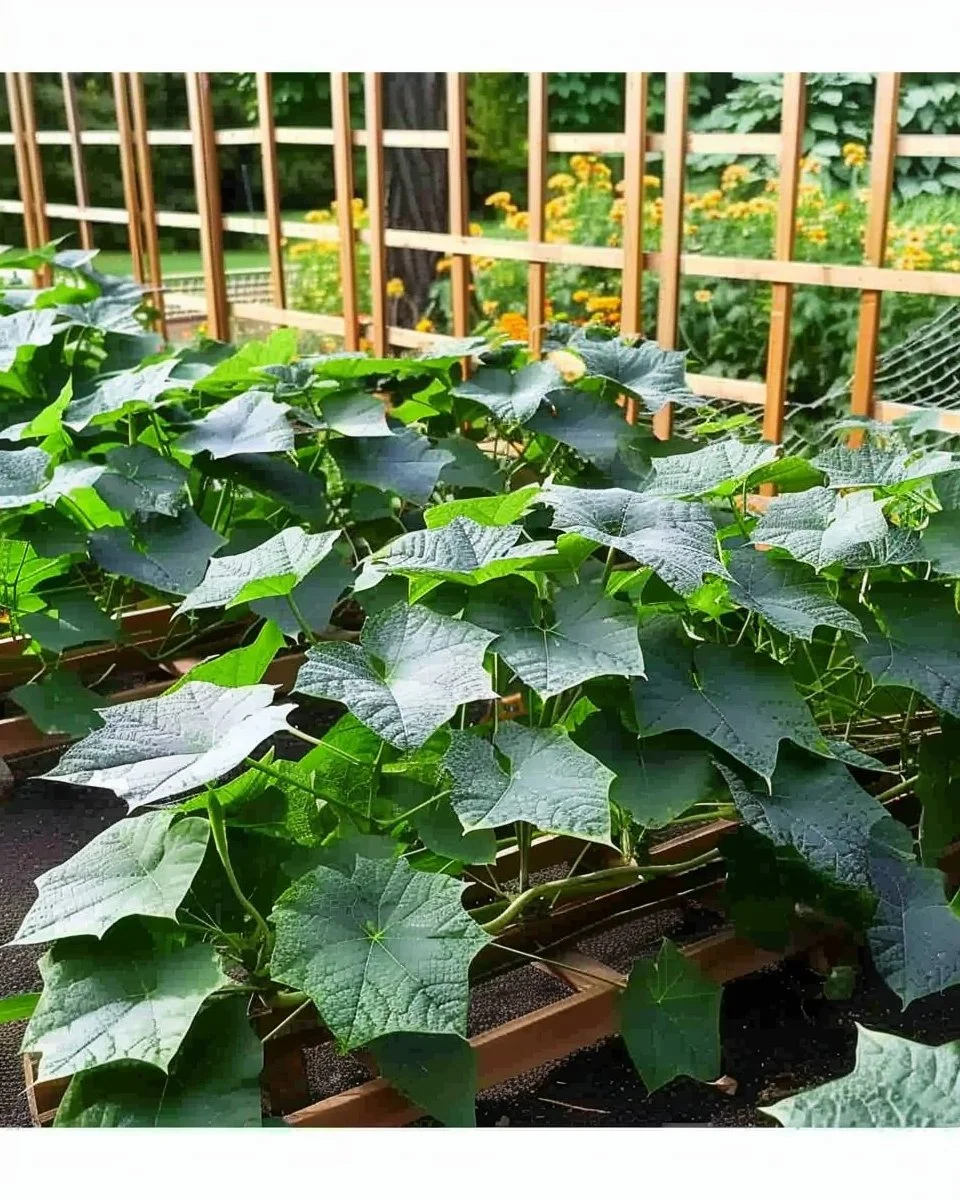
Yes! Use larger pots with drainage holes and provide a trellis for support.
Why are my cucumbers turning yellow?
Yellowing can be a sign of over-ripeness, nutrient deficiencies, or diseases. Regular monitoring can help identify the issue.
What pests should I watch out for?
Be on the lookout for cucumber beetles, aphids, and spider mites, and use preventive measures to keep them at bay.