
Introduction
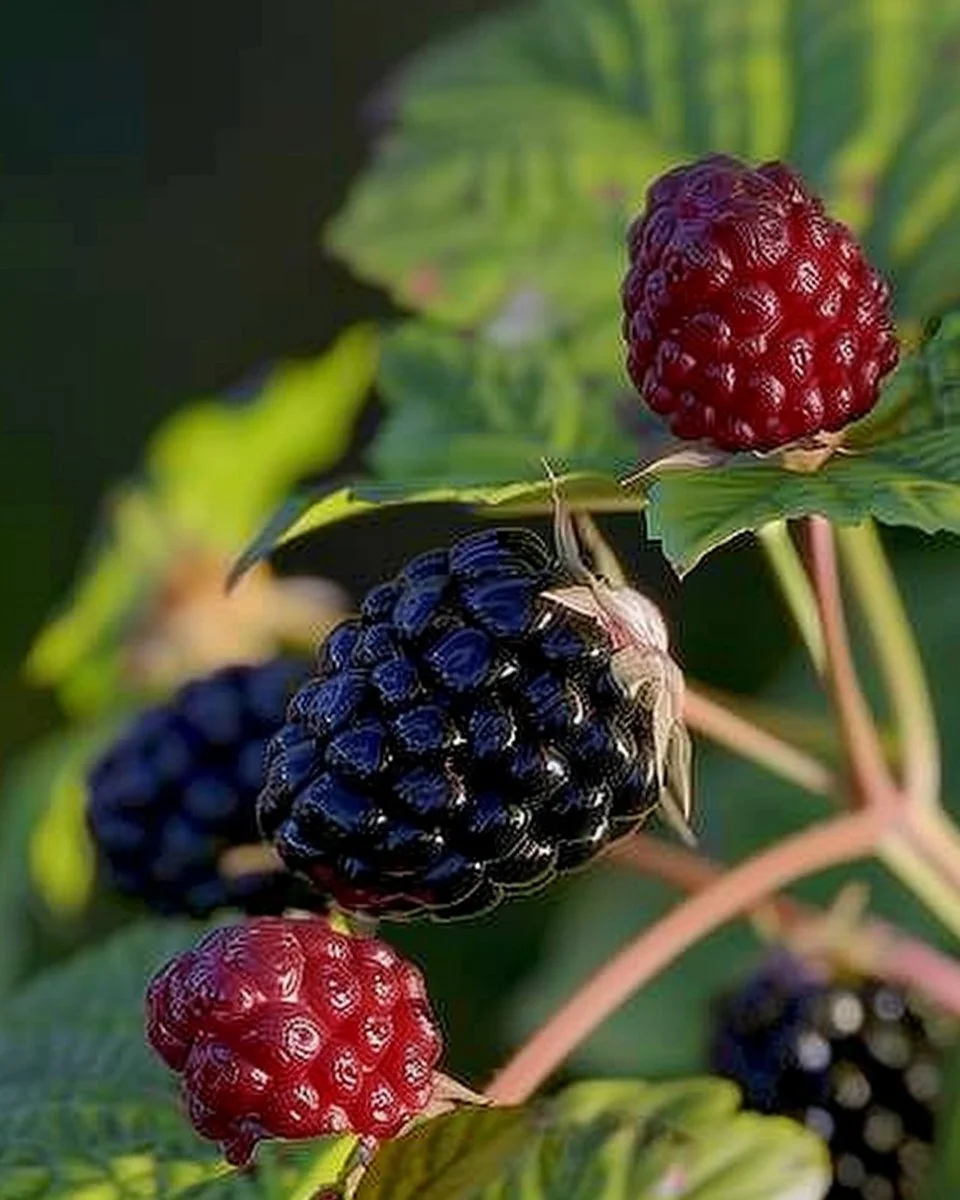
Growing your own blackberries in containers can be an incredibly rewarding experience. Imagine stepping out to your balcony or patio, picking fresh, juicy blackberries straight off the vine, and tossing them into your morning yogurt or baking them into a delicious pie. If you’re short on space or just want a fun gardening project, learning how to grow blackberries in containers might be perfect for you. In this guide, you’ll discover practical tips, essential care advice, and everything you need to succeed in container gardening with blackberries.
Table of Contents
Choosing the Right Container
Selecting the appropriate container is one of the first steps in how to grow blackberries in containers successfully. You want to ensure your blackberries have enough room to thrive.
Material Options
Containers come in various materials—plastic, ceramic, or galvanized metal. Each material has its pros and cons, but plastic containers are lightweight, affordable, and effective for drainage. If you prefer something more aesthetic, a ceramic or terracotta pot can provide that charm, although they may require more attention to moisture levels.
Size and Drainage
A pot size of at least 5 to 10 gallons is recommended for blackberry plants. Ensure the container has adequate drainage holes; standing water can lead to root rot, a common problem in container gardening. A good rule of thumb is to choose a container about 2 feet in diameter for optimal growth and yield.
Selecting the Perfect Blackberry Variety
Not all blackberries are created equal, especially regarding container gardening. Picking the right variety will set you up for success.
Erect vs. Trailing Varieties
Erect varieties grow upright and often require less space, making them ideal for containers. Trailing types spread out and may need a trellis or support system. If you’re limited on space or prefer a less maintenance-heavy option, go for the erect types.
Recommended Varieties for Containers
Some popular varieties for container growing include “Dormanred,” known for its high yields and hardiness, and “Black Satin,” which offers delicious flavor. These are both compact and great for limited spaces.
Soil Essentials for Container Growth
The soil plays a crucial role in your blackberry plants’ health and growth.
Importance of Quality Soil
Using high-quality soil mixed specifically for container plants can significantly improve your chances of success. Regular garden soil can compact too much in containers, obstructing root growth.
Recommended Soil Mix
A great mix consists of 50% potting soil, 30% compost, and 20% perlite or sand. This blend provides excellent drainage and rich nutrients, ensuring your blackberries have a healthy start.
Proper Watering Techniques
Watering your blackberry plants correctly is vital for their growth.
Establishing a Watering Schedule
As a general rule, blackberry plants in containers should be watered once or twice a week, depending on the weather conditions. Be vigilant during hot summers; you may need to water more frequently.
Signs of Over and Underwatering
Be on the lookout for symptoms: yellowing leaves might suggest overwatering, while wilting can point to underwatering. The soil should always be moist but never soggy.
Fertilizing Your Blackberry Plants
Like all plants, blackberries benefit from a bit of nutrition.
When and How to Fertilize
Fertilizing should usually start in early spring. A slow-release, balanced fertilizer specifically formulated for berries can work wonders when sprinkled on top of the soil.
Recommended Fertilizer Types
Look for a 10-10-10 NPK fertilizer to ensure your plants get the right mix of nutrients. Liquid fertilizers can also be beneficial during the growing season for quicker nutrient uptake.
Managing Sunlight Exposure
Light is essential for healthy blackberry growth, and knowing how to manage it properly is crucial.
Ideal Light Conditions
Blackberries thrive in full sun, requiring at least 6 to 8 hours of sunlight a day. If your container is in a spot that gets too much direct sunlight, consider moving it to a slightly shadier location.
Strategies for Shade Management
During peak summer, using shade cloth to protect your plants from the harshest rays can be very beneficial. This allows them to receive necessary light while avoiding stress from excess heat.
Common Pests and Diseases
While blackberries are generally tough, they aren’t immune to pests and diseases.
Prevention Tips
Keeping your plants healthy through proper watering and fertilizing alone can minimize risks. Regularly inspect your plants for signs of pests like spider mites, aphids, or beetles.
Effective Treatment Options
If you do encounter pests, neem oil is an effective natural treatment. Always check labels for compatibility with fruit-bearing plants.
Conclusion
In summary, knowing how to grow blackberries in containers involves careful planning, from selecting the right pot and soil to managing sunlight and pests. Growing your blackberries can be a joyous venture, providing delicious fruits and a beautiful plant to enjoy. Remember, patience is key—give your plants the right care, and they’ll reward you with a bountiful harvest you can be proud of.
FAQs
Q: How long does it take for blackberries to produce fruit in containers?
A: Typically, blackberry plants will start producing fruit within 2 to 3 years of planting, depending on the variety and care.
Q: Can I grow blackberries indoors?
A: Yes, provided they receive enough light, it’s possible to grow blackberries indoors. Consider using grow lights if natural light is insufficient.
Q: Should I prune my blackberry plants?
A: Yes, regular pruning helps encourage growth and increases fruit production. Aim to prune in late winter or early spring before new growth begins.
Q: How do I protect my blackberries from cold temperatures?
A: You can insulate your containers with bubble wrap or move them to a more sheltered location during frost.
Q: Can I grow blackberries from cuttings?
A: Yes! Taking tip cuttings in late spring or early summer can lead to new plants. Just ensure they have enough moisture while rooting.