
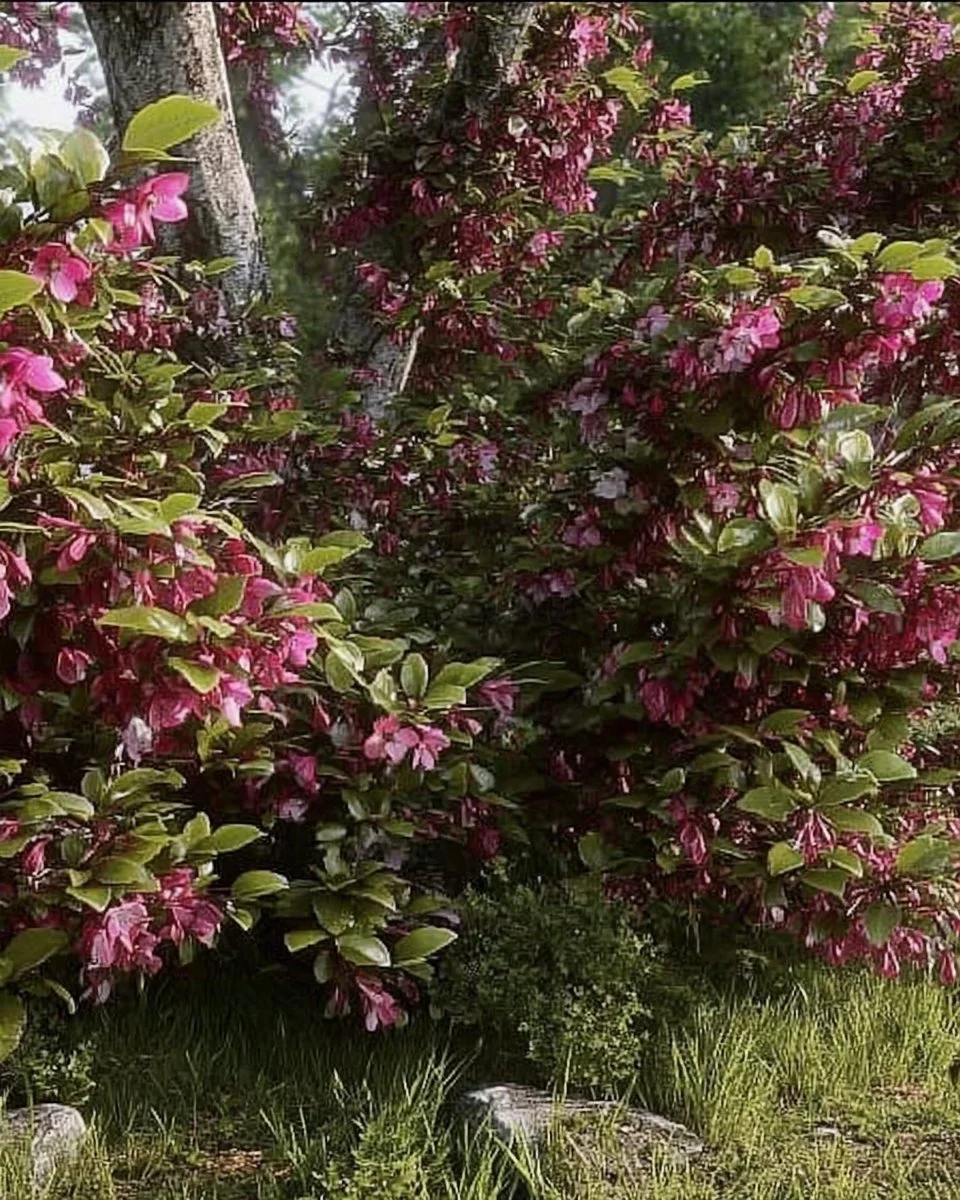
If you’ve strolled through a garden center or admired your neighbor’s landscape, you might have come across the stunning Weigela shrub. With its vibrant blooms and delicate foliage, it’s a sight to behold in any garden. But did you know that growing these shrubs can be quite simple with a little bit of knowledge? In this guide, you’ll discover how to grow and care for Weigela shrubs, ensuring that your outdoor space bursts with color and vitality. Whether you’re a seasoned gardener or just starting, this article will equip you with the essential tools and techniques for success.
Table of Contents
Understanding Weigela Shrubs
Weigela shrubs, known for their showy, trumpet-shaped flowers, are a fantastic addition to any garden. These deciduous shrubs are perfect for borders, hedges, or even as standalone specimens. Let’s delve into some key aspects of Weigela to help you appreciate its beauty even more.
Key Varieties of Weigela
There are several varieties of Weigela, each with its unique charm. Some well-known options include:
- Weigela florida: The most common type, prized for its pink, red, and white flowers.
- Weigela ‘Wine and Roses’: A stunning variety with dark red flowers and bold purple foliage.
- Weigela ‘Lost in The 50s’: Famous for its sweet pink blooms and compact size, making it ideal for smaller gardens.
Each of these varieties offers something special, so choose one that fits your vision!
Growth Habits and Characteristics
Weigela shrubs tend to grow between 3 to 6 feet tall, depending on the variety. Their arching branches add a graceful touch to gardens, and the flowers attract plenty of pollinators, such as bees and butterflies. As spring arrives, witnessing these colorful blooms can fill anyone with delight.
Ideal Growing Conditions
The right conditions are crucial for healthy Weigela shrubs. Here’s what you need to consider to create a thriving environment.
Soil Requirements
Weigela prefers well-draining soil that tends to be slightly acidic to neutral (pH 6.0 to 7.0). Adding organic matter, such as compost, can improve soil structure and fertility. Poorly drained soil can lead to root rot, so make sure your plants are well-positioned.
Sunlight and Temperature Preferences
These shrubs thrive in full sun to partial shade, ideally receiving 6 to 8 hours of sunlight daily. They’re quite adaptable but grow best in warm climates with protection from harsh winds. If you live in a colder zone, aim for slightly sheltered spots to prevent winter burn or frost damage.
Planting Weigela Shrubs
Now that you understand their needs, let’s move on to planting.
Choosing the Right Location
When selecting a location, think about the amount of sun and space you have. Weigela can make an excellent focal point in a landscaped yard or a lovely addition to a mixed garden bed. Ensure there’s room for them to grow, as they can spread out over time.
How to Plant Weigela
Planting Weigela is straightforward:
- Dig a Hole: Make sure the hole is twice as wide as the root ball and about the same depth.
- Prepare the Soil: Mix compost with the excavated soil to enrich it.
- Place the Shrub: Center the Weigela in the hole, making sure the top of the root ball is level with the ground.
- Fill in the Hole: Replace the soil carefully, avoiding any air pockets, and water well to settle it in.
It’s a good practice to plant in spring or fall when temperatures are more moderate.
Care and Maintenance
Once planted, Weigela shrubs require ongoing care to flourish.
Watering Needs
Weigela shrubs appreciate consistent moisture, especially in their first growing season. Water deeply once a week, adjusting based on rainfall and temperature. During hotter months, you might need to water more frequently.
Pruning Techniques
Pruning is essential for keeping Weigela healthy and attractive. Post-bloom, trim away spent flowers and any uneven growth to encourage a bushy appearance. Prune around one-third of the older branches to make way for new growth, ideally in early spring or just after they finish blooming.
Fertilization Tips
Feeding Weigela shrubs in spring with a balanced fertilizer can bolster growth. Look for formulations labeled for flowering shrubs to encourage vibrant blooms.
Common Pests and Problems
Like any plant, Weigela can face challenges. Learning how to identify and manage these will keep your shrubs looking their best.
Identifying Common Pests
Watch out for common pests such as aphids and spider mites. Inspect under leaves and at the tip of branches. If you spot them, you can wash them off with water or use insecticidal soap as a preventive measure.
Solutions for Common Diseases
Weigela can sometimes suffer from powdery mildew or root rot. Ensure proper air circulation and avoid overhead watering to reduce disease risks. If you notice signs of illness, consider administering appropriate fungicides or changing your watering practices.
Seasonal Considerations
Taking seasonal changes into account will help your Weigela thrive year-round.
Preparing for Winter
If you live in a cold region, prepare your Weigela for winter by applying a layer of mulch around the base of the shrub. This helps insulate the roots and retains moisture through harsh conditions.
Spring Care Checklist
When spring arrives, give your Weigela some love:
- Check for dead or damaged branches and trim them as needed.
- Fertilize early to stimulate growth.
- Reassess moisture levels and water accordingly.
Enhancing Your Landscape
Weigela can shine even brighter when paired with the right companions.
Companion Plants for Weigela
Consider planting Weigela alongside other shrubs like hydrangeas or ornamental grasses. The contrast in colors and textures can create a visually appealing garden layout.
Creating Visual Interest
Use your Weigela as a backdrop for seasonal flowers. Their blooming cycles complement plants like daisies or daylilies, providing color from spring through summer.
Conclusion
To sum it up, knowing how to grow and care for Weigela shrubs is a rewarding journey. From their vibrant blooms to their ability to attract wildlife, these shrubs can enhance your garden significantly. By providing them with the right conditions, care, and attention to seasonal changes, you’ll enjoy thriving Weigela shrubs that bring joy and color to your outdoor space.
FAQs
What is the best time to plant Weigela?
The ideal time for planting Weigela is in early spring or fall when temperatures are mild.
How often should I water Weigela shrubs?
Water them deeply about once a week, more frequently during hot, dry spells.
Do Weigela shrubs require a lot of sunlight?
They thrive in full sun to partial shade, so ensure they get at least 6 hours of sunlight daily.
When should I prune my Weigela?
Prune Weigela after blooming in spring to encourage healthy new growth.
How do I prevent pests on my Weigela?
Regular inspections and maintaining health through proper care can significantly reduce pest problems. If pests appear, insecticidal soap is an effective treatment.