
Introduction
Have you ever walked past a snake plant and marveled at its striking, upright leaves? Maybe you’ve thought, “I wish mine would bloom!” It’s a common curiosity among plant lovers and new green thumbs alike. Quite fascinating, snake plants, also known as Sansevieria, typically remain silent in their growth, often going through life without offering a single flower. But did you know that with the right conditions, it’s possible to coax these hardy beauties into blooming? In this article, we’ll dive into the secrets of how to get a snake plant to bloom. You’ll discover everything from optimal care tips to the perfect environment and even some noteworthy anecdotes about fellow enthusiasts who have successfully encouraged their snake plants to flower. Let’s uncover the blossoming potential of this resilient houseplant!
Table of Contents
Understanding Snake Plant Blooms
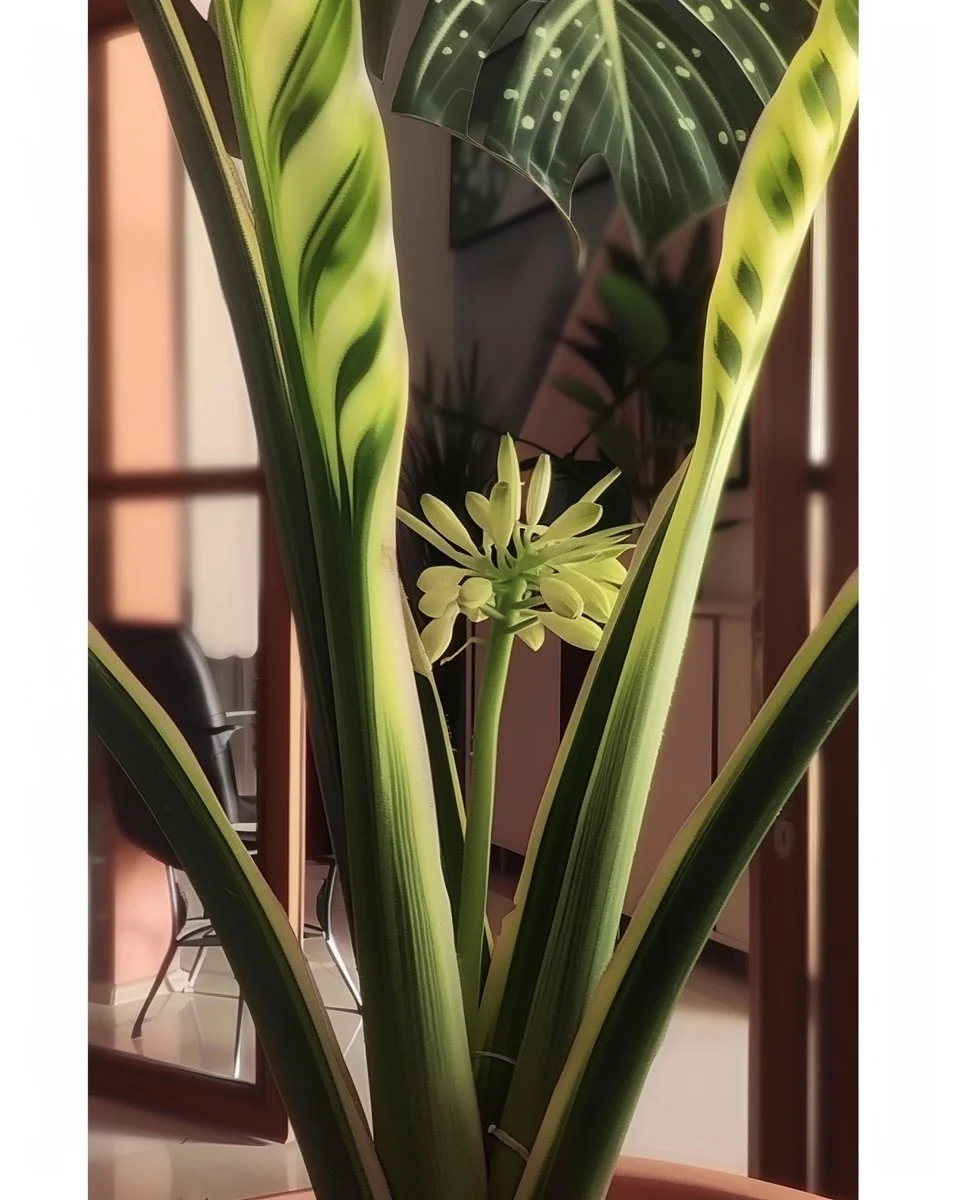
Many people are surprised to learn that snake plants can bloom; they primarily know these plants for their tough, hardy nature and air-purifying qualities. The flowers are indeed a sight to behold—delicate and fragrant, often appearing as slender spikes adorned with small, tubular blossoms. While the bloom isn’t a guaranteed event for every plant, understanding what encourages these lovely flowers can significantly enhance your chances.
It’s important to remember that the blooming process takes time. The average snake plant might not bloom until it’s a few years old, needing both age and the right conditions to show off its flowering glory.
Ideal Conditions for Blooming
Light Requirements
When it comes to how to get a snake plant to bloom, light is a crucial factor. Snake plants thrive in bright, indirect light but can tolerate low light conditions. However, if you want to stimulate blooms, providing bright indirect light is key. Consider placing your plant near a window that receives ample sunlight, but don’t expose it to harsh rays which might scorch the leaves.
Temperature Preferences
Temperature plays another vital role in blooming. Snake plants prefer warmer temperatures, ideally between 70°F to 90°F (21°C to 32°C). They tolerate cooler temperatures down to 50°F (10°C) but might become less active in growth. To encourage blooming, maintain that warm environment – after all, your snake plant will thank you for it by potentially rewarding you with flowers!
Humidity Levels
You might not think of humidity when it comes to how to get a snake plant to bloom, but it can have an effect. Snake plants do not need high humidity; in fact, they prefer drier air. However, if your home tends to be quite humid, a well-balanced humidity level (between 30-50%) can support overall plant health and indirectly handle bloom aspirations.
Proper Watering Techniques
Frequency and Amount
Ah, watering—the love language of plants! When trying to bloom your snake plant, striking the right balance is essential. While snake plants are drought-tolerant, overwatering can impede growth and flowering. A general rule to follow is to let the soil dry out between waterings. Water thoroughly and avoid allowing standing water to accumulate in the pot. This can lead to root rot, which is a common issue among snake plant owners.
Signs of Overwatering
If you notice yellowing leaves or soft, mushy spots, your plant is signaling distress—likely from overwatering. When caring for your snake plant, observe its leaves and soil; if they appear too damp for long periods, ease up on the water. Keeping a watering schedule will greatly assist in understanding when your plant requires hydration. Have you ever thought about taking a plant’s “drinking habits” into consideration?
Soil and Fertilization
Best Soil Mixes
When considering how to get a snake plant to bloom, start with high-quality soil. A well-draining potting mix, possibly enhanced with perlite, will foster healthy root systems. This aspect is vital for preventing root rot and allowing your plant to grow strong enough to bloom.
When and How to Fertilize
Fertilization can jumpstart the blooming process as well. Use a gentle, balanced fertilizer every couple of months during the growing season (spring and summer). Avoid heavy fertilization as it can lead to excessive leaf growth but not necessarily blooms.
Patience and Longevity
How Long Until Blooming?
The question of when your snake plant will bloom depends on many factors, primarily its age and conditions. Patience is key! Blooms can sometimes take years to manifest. Many avid collectors note that consistent care over time tends to yield flowers eventually.
Encouraging Healthy Growth
Encouraging growth can also mean occasionally repotting. If your plant seems root-bound, consider transferring it to a pot that’s slightly larger. This encourages root development, which can eventually lead to those beautiful blooms. And remember to love and nurture your plant just as you would any other cherished companion!
Common Challenges and Solutions
Pests and Diseases
One of the biggest obstacles in growing snake plants can be pests like mealybugs or spider mites. To prevent infestations, regularly inspect your plant and wipe down its leaves. If you do find pests, don’t panic! Spraying the plant with a gentle insecticidal soap can help.
Environmental Stressors
Be mindful of sudden temperature changes. If your snake plant is exposed to drafts or heating vents, it might lead to stress rather than blooming.
Encouraging Blooms Through Time
Anecdotes from Real Life
Among plant enthusiasts, wonderful stories abound about coaxing blooms from snake plants. One friend, Laura, had given up hope after years of caring for her snake plant. Just when she nearly tossed it out, she decided to change its location to a brighter spot in her home. Not only did the leaves perk up, but a few months later, much to her astonishment, beautiful flowers began to emerge!
Tips from Experienced Growers
In conversations with seasoned gardeners, one common piece of advice is don’t obsess over the flower; rather, focus on the health and well-being of your plant. Take pleasure in watching your snake plant thrive, and those blooms may just surprise you one day!
Conclusion
In summary, knowing how to get a snake plant to bloom involves a synthesizing of care practices—environmental conditions, proper watering, soil quality, and perhaps most significantly, patience. The enjoyment of tending to your plant and nurturing it throughout its growing years is immensely rewarding, especially when you finally spot those exquisite blooms. So embrace the journey, and remember to take notes along the way; you might just end up with a flower-filled adventure that you’ll never forget.
FAQs
Q: How often should I water my snake plant?
A: Water your snake plant when the top inch of soil feels dry. This is generally every 2-6 weeks, depending on the season.
Q: Can snake plants bloom indoors?
A: Yes, snake plants can bloom indoors provided they have adequate light and care.
Q: How long does it take for a snake plant to mature enough to bloom?
A: It often takes a few years for a snake plant to mature enough to flower. Be patient and consistent with care.
Q: Are snake plant blooms fragrant?
A: Yes, snake plant flowers can have a sweet fragrance, often noticeable at night when many plants release their scents.
Q: What should I do if my snake plant isn’t blooming?
A: Ensure your plant receives enough light, proper watering, and consider its soil and fertilization to enhance blooming potential.