
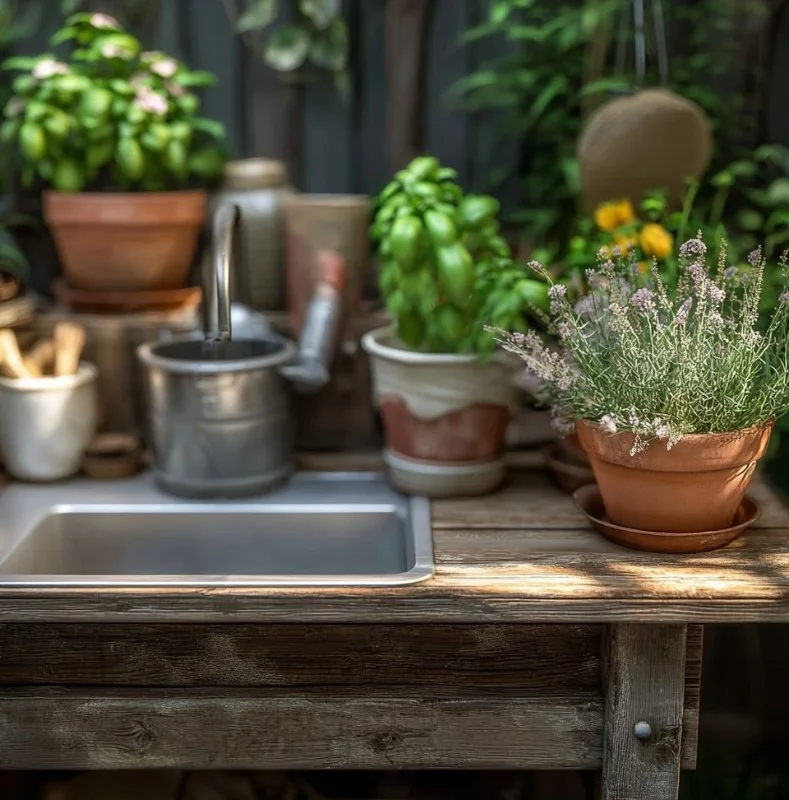
Gardening can be one of the most rewarding hobbies. Just think about those moments spent nurturing plants, watching them grow, and eventually enjoying their fruits. However, to make the most of your green thumb, it’s essential to have the right workspace. That’s where a potting bench comes into play! Today, I’ll guide you through how to build a budget potting bench with sink, a project that’s both economical and practical. By the end of this guide, you’ll have all the tools and tips you need to create a functional space that will enhance your gardening experience. So let’s dig in!
Table of Contents
Why You Need a Potting Bench
Have you ever found yourself mixing soil on your kitchen countertop or balancing plants on a flimsy table? If so, you’re not alone! Many gardening enthusiasts start with makeshift setups, but that can get frustrating fast. A potting bench creates a dedicated space where you can pot plants, mix soil, and organize your gardening tools, all while keeping everything clean and tidy. Not to mention, having a sink right at your fingertips makes it much easier to rinse off tools or wash your hands after planting. A well-designed potting bench transforms gardening from a chore into a pleasurable experience, allowing you to be more organized and efficient.
Choosing the Right Materials
Wood Selection
The first step in how to build a budget potting bench with sink is selecting the right materials. When it comes to wood, durability is key. Pressure-treated lumber is a great choice because it stands up well against the elements, especially if your bench will be outdoors. Cedar and redwood are also excellent options; they resist rot and give your bench a lovely rustic look. If you’re looking to save money, you can use reclaimed wood, but make sure it’s sturdy enough for your needs.
Sink Options
Next on our list is the sink. A simple stainless steel sink can be found at many home improvement stores and is fairly budget-friendly. Look for a sink with one or two bowls to accommodate your gardening tasks. If you desire a more rustic feel, consider using a vintage basin; just ensure it’s cleaned and sealed for durability. Having a sink on your potting bench will save you countless trips back indoors for washing.
Other Tools You’ll Need
Besides the wood and sink, gather all the necessary tools for the job. You’ll need a saw, drill, screws, sandpaper, and wood stain or sealant. A measuring tape and level are crucial for ensuring everything is built correctly. Don’t forget safety gear, like goggles and gloves, to protect yourself while you work.
Designing Your Potting Bench
Layout Considerations
Once you’ve chosen your materials, it’s time to design your potting bench. Think about the layout—what features do you want to include? A flat surface for potting? Shelves for tools? You might even consider a pegboard on the back for hanging tools. Sketching a rough design can help you visualize what you want before you start measuring and cutting.
Size and Height
The size and height of your potting bench are also essential. Generally, the bench should be around 36 to 48 inches tall to prevent back strain while working. Ensure it’s wide enough to accommodate your planting projects but compact enough to fit in your chosen space. A good rule of thumb is to account for all your tools and a bit more room so you can work comfortably.
Step-by-Step Construction Guide
Building the Frame
Now we come to the fun part—actually building the potting bench! Start by constructing the frame. Cut your wood to the desired lengths based on the size of your design. Join the pieces using screws, making sure everything is square. It’s important to ensure everything is level as you build; this will help avoid any wobbling later.
Adding the Sink
Once the frame is ready, it’s time to add the sink. Cut a hole in the tabletop surface for the sink to fit snugly, ensuring it’s centered. Secure the sink in place using the manufacturer’s instructions. Remember to create a drainage system underneath; using PVC pipes can be a cost-effective solution. This step can be challenging, so don’t hesitate to seek help from a friend if you need it!
Finishing Touches
Finally, sand down any rough edges and apply a stain or sealant to protect the wood from moisture and wear. You might also want to add some hooks for tools or a shelf underneath for additional storage space. Consider adding a small planter box on one end to keep your favorite gardening materials within reach.
Maintenance Tips for Your Potting Bench
A potting bench will serve you well for years, but like any other piece of outdoor furniture, it will require some maintenance. Regularly check for any signs of wear or damage, especially around the sink area where moisture can build up. Reapply sealant as needed and give the surface a light sanding before restaining every few years. Keeping tools organized will also prolong the life of your bench.
Inspiring Potting Bench Ideas
If you’re still searching for design inspiration, don’t fret! Explore online platforms like Pinterest for a wealth of creative ideas. Many successful gardeners have shared their own potting spaces that showcase innovative uses of materials and layouts, helping you think outside the box. Have you ever dreamed about a potting bench that doubles as a bar cart? The possibilities are endless!
Conclusion
In conclusion, learning how to build a budget potting bench with sink is a rewarding project that will enhance your gardening experience. Not only will you have a dedicated area for potting and planting, but you’ll also enjoy the convenience that comes with having a sink right at your fingertips. Remember to choose durable materials, plan thoughtfully, and enjoy the process. Your garden—and your back—will thank you!
FAQs
What is the best height for a potting bench?
The ideal height for a potting bench is between 36 to 48 inches, allowing you to work comfortably without straining your back.
Can I use plywood for the potting bench?
Yes, plywood can be used, but ensure it is sealed to protect against moisture.
How much does it cost to build a potting bench?
Costs can vary, but building your own can typically range from $50 to $300, depending on materials used.
What type of sink is best for a potting bench?
A stainless steel sink is the most durable and easy to clean, but vintage basins can offer character.
How do I protect my potting bench from the elements?
Apply a quality wood sealant and consider placing a cover over it or storing it in a sheltered area during harsh weather.