
Introduction
Starting a flower farm sounds like a dream, doesn’t it? The vibrant colors, sweet fragrances, and the joy of bringing beauty to people’s lives is hard to resist. Many aspiring farmers often wonder which flowers can yield the highest returns. If you’ve ever thought about diving into this world, you’re in for a treat. In this article, I’m sharing my insights on the High‑Profit Cut Flowers I’d Grow If I Were Starting a Flower Farm Today.
You’ll discover not just what flowers are worth your time and effort, but also tips on how to grow them and market them effectively. Whether you’re a newbie looking for ideas or someone seeking to elevate your existing farm, this guide provides practical advice that can help you reap the benefits of your passion for flowers.
Table of Contents
What Are High‑Profit Cut Flowers?
High-profit cut flowers are varieties that not only tend to flourish in the market but also command higher prices due to their desirability, uniqueness, or limited availability. Essentially, these flowers can help maximize your earnings, make your farming endeavor more sustainable, and provide you with a delightful return on your atmospheric investment in labor and time.
As you’ll see in the sections to come, the flowers I recommend come with great market potential and are relatively easy to grow, making them ideal choices for any aspiring flower farmer.
Factors to Consider When Choosing Flowers
Before committing to any specific varieties, it’s crucial to evaluate a few key factors that can impact your success as a flower farmer.
Market Demand and Trends
The floral market is ever-evolving, and staying updated on trends is vital. For example, in recent years, there has been a notable shift toward homegrown, locally sourced flowers. Researching which flowers are trending in your area can provide insights into what might sell best. Participating in local farmers’ markets or community-supported agriculture (CSA) programs can also help you gauge customer preferences.
Growing Conditions and Climate
Not all flowers thrive in every garden. Understanding your local climate’s intricacies will guide you in selecting flowers that will flourish under your specific conditions. Sunflowers, for instance, are generally easier to grow in warm, sunny locations, while peonies may require cooler temperatures for their best blooms.
Harvesting and Post-Harvest Handling
Profitability also hinges on how well you can harvest and handle the flowers after cutting. Some flowers, like snapdragons, can be more forgiving in the post-harvest stage. Others may require special handling or timing to ensure they reach customers looking their best.
Top High‑Profit Cut Flowers
Now that we’ve established a framework for choosing flowers wisely, let’s dive into some high-profit cut flowers that I’d grow if I were starting a flower farm today.
Sunflowers
Sunflowers are not only iconic floral symbols of summer, but they also boast quick growth rates and robust market demand. They are highly adaptable, can be grown in various climates, and typically yield high returns per acre. Sunflowers are perfect for beginner farmers, as they require minimal maintenance once established.
Peonies
Peonies may take a few years to establish but once they do, the flowers are pure gold in the market. Their lush blooms and availability in various colors make them a favorite for weddings and special events. Knowing when to market peonies is key; demand spikes around certain times of the year, particularly during the spring.
Snapdragons
Snapdragons are trendy for their whimsical shapes and colors. They bloom profusely and can provide you with a long harvest window. These beauties are often used in mixed bouquets, enhancing their value. Gaining popularity in both floral design and garden settings makes them a valuable asset.
Lisianthus
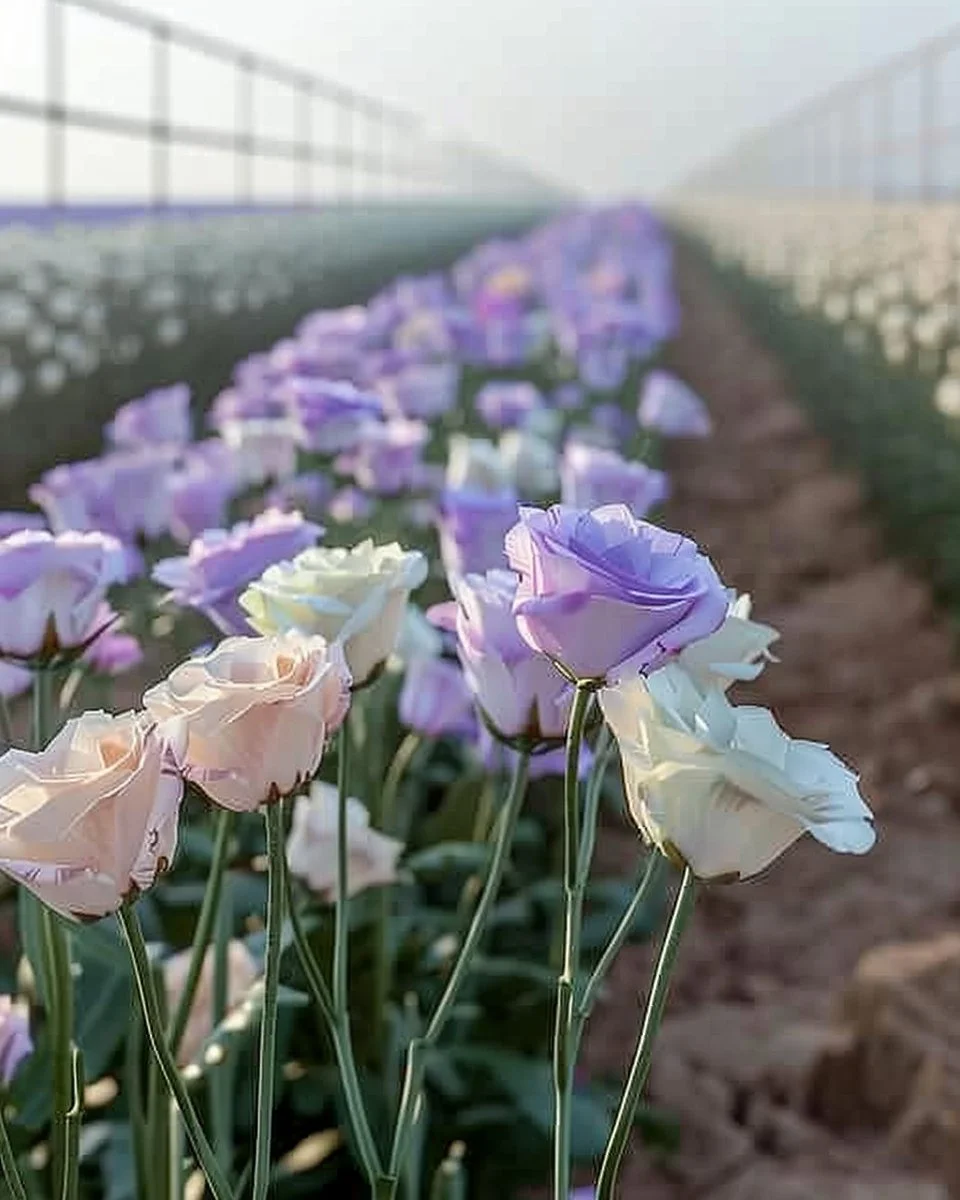
Lisianthus has risen dramatically in popularity for its delicate petals and impressive vase life. These flowers are often compared to roses but at a fraction of the cost, making them a go-to for brides. Though they have specific growing conditions, once mastered, they can yield impressive profits.
Dahlias
Dahlias exude stunning diversity with their various shapes and colors, making them a beloved choice for florists. They can be a bit fussy concerning pests and diseases. However, farmers who can share their unique blooms with customers often find that the effort pays off handsomely.
Zinnias
Zinnias are unrivaled for beginners, mainly thanks to their vibrant hues and ease of growing. They thrive in conditions where many other flowers struggle, and returning customers are drawn to them for their vibrant colors and hardiness in arrangements.
Tips for Growing and Selling Cut Flowers
To turn your blossoms into profits, consider employing effective strategies for cultivation and marketing.
Sustainable Farming Practices
Emphasizing sustainability not only attracts eco-conscious consumers but can also lead to healthier soil and flower quality. Techniques like crop rotation, resource-efficient watering, and organic pest management can boost both your productivity and your marketability.
Effective Marketing Strategies
Having a solid marketing plan is essential for success. Utilize social media to showcase your flowers, engage with local communities, and craft compelling stories about your farming journey. Collaborating with local florists and participating in community events can also help to build a loyal client base.
Building a Customer Base
Establish relationships with customers beyond transactions. Consider offering subscription services for regular flower deliveries or creating custom arrangements for events. This personal touch can set you apart in a crowded market.
Success Stories from Flower Farmers
Many flower farmers have turned their passion into profitable ventures, sharing stories of hard work and triumph. For instance, I once connected with a farmer who started with a small plot in her backyard and now features her blooms in local boutiques and arrangements for wedding planners. Her commitment to quality and community relationships propelled her to success.
These examples showcase the potential for growth and creativity in flower farming. With the right flowers, attention to detail, and a bit of marketing savvy, the results can be truly rewarding.
Conclusion
Incorporating high-profit cut flowers into your farming plans can pave the way for a promising and joyful career. The High‑Profit Cut Flowers I’d Grow If I Were Starting a Flower Farm Today—like sunflowers, peonies, and snapdragons—are not just beautiful options but also offer tangible rewards. As you embark on your farming journey, remember to consider market demand, growing conditions, and sustainable practices.
With persistence and a passion for cultivating beauty, you can flourish in this vibrant industry.
FAQs
What are the best flowers for beginner flower farmers?
Sunflowers, zinnias, and snapdragons are great starter options due to their ease of growth and market appeal.
How long does it take for peonies to start blooming?
Peonies usually take about 3 years to establish before they can be harvested effectively for cut flowers.
Can I grow cut flowers in small spaces?
Absolutely! Many farmers successfully grow cut flowers in backyard plots, community gardens, or even balcony containers.
How can I sell my cut flowers?
Utilize local farmers’ markets, online platforms, social media, and local florists to sell your blooms effectively.
What should I do to maintain flower quality after cutting?
Always cut flowers in the early morning, place them in water immediately, and use proper hydration solutions to maintain freshness.