
Introduction
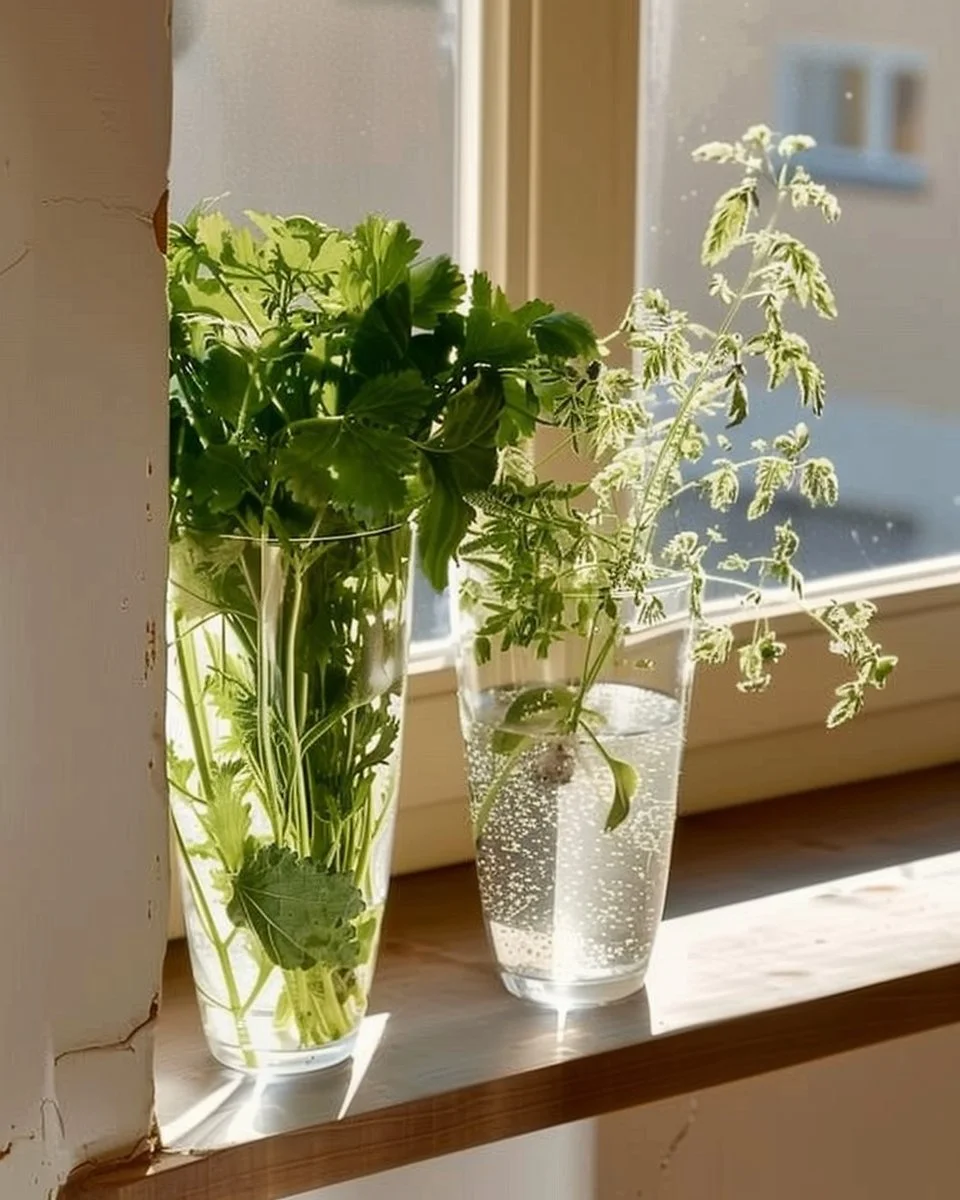
Have you ever walked into a kitchen and been greeted by the fresh, vibrant scent of herbs? There’s something magical about having your own little herb garden, especially when you can grow them without any soil. Imagine snipping fresh basil or thyme for your pasta or whipping up a mint-infused drink ready in just moments. With the right guidance, you can easily cultivate your own flavorful herbs. In this article, you’ll discover the 12 Easy Herbs to Grow in Water All Year Long (Indoor & Outdoor) and learn how to nurture them for a year-round harvest. Let’s get started on this green adventure!
Table of Contents
Types of Herbs Suited for Water Growth
When venturing into the world of water-grown herbs, it’s essential to choose the right plants. Some herbs thrive exceptionally well in water, making them ideal candidates for your indoor or outdoor garden.
Basil
Basil is a classic herb that loves warm temperatures and bright light. To grow basil in water, just take a cutting from a healthy plant, ensuring you have at least a node submerged underwater. In a few days, you’ll notice roots emerging – a sure sign that your basil is happy and healthy!
Mint
This herb is not only aromatic but also incredibly easy to grow. Mint grows rapidly, and you only need to keep its stems submerged in water. Imagine adding fresh mint leaves to your lemonade or cocktails!
Rosemary
Rosemary, known for its robust flavor, can also be grown in water. Just like basil, use a cutting with a node, and don’t forget to give it enough light. It may take a bit longer to root than some other herbs, but your patience will be rewarded.
Green Onions
Perhaps one of the simplest and most rewarding herbs to grow in water is green onions. After cutting the green tops for cooking, place the white roots in a glass of water. They will continue to grow, providing you with a continuous supply.
How to Start Growing Herbs in Water
Starting your herb garden is a fun project! Let’s dive into how you can easily begin growing herbs in water.
Essential Supplies
To begin, you’ll need a few essential supplies: clean glass jars or vases, scissors for harvesting cuttings, and fresh herb plants. Having distilled or filtered water is advised for optimal growth.
Preparing the Cuttings
To prepare your herb cuttings, use sharp scissors to clip healthy stems just below a node. Remove the leaves from the lower portion of the cutting, ensuring that they don’t touch the water, as they can rot.
Care and Maintenance of Water-Grown Herbs
Maintaining your water-grown herbs is straightforward. Here are some aspects to keep in mind.
Light Requirements
Most herbs need plenty of sunlight. Place your herb containers in a spot where they can receive at least 6 hours of indirect sunlight per day. If you don’t have sufficient natural light, consider investing in grow lights.
Changing Water
To keep your herbs healthy, change the water every week. This ensures they have access to fresh nutrients and reduces the risk of any potential rot.
Fertilizing Herbs
While water alone can sustain your herbs, adding a diluted liquid fertilizer every few weeks can give them an extra boost. Go for an organic option to keep your herbs as healthy as possible.
Common Pests and Diseases
Even herbs grown in water can face challenges. Spotting pests early is key to maintaining a healthy herb garden.
Identifying Issues
Common pests like aphids or spider mites can sometimes affect your water-grown herbs. Regularly inspect your plants for any signs of distress, like yellowing leaves or webbing.
Natural Solutions
If you spot any pests, don’t fret. You can use a simple solution of soap and water to wipe them off. For more significant infestations, consider introducing some natural predators like ladybugs or using neem oil.
Harvesting and Using Your Herbs
Once your herbs are thriving, it’s time to enjoy the fruits of your labor!
Best Practices for Harvesting
To harvest your herbs, cut the leaves from the top down, encouraging new growth. Avoid taking too many leaves at once to allow the plant to replenish itself.
Culinary Uses
The culinary uses for fresh herbs are endless. From garnishing dishes to making hearty sauces or refreshing drinks, having a supply of fresh herbs can elevate your cooking significantly.
Benefits of Growing Herbs in Water
Growing herbs in water offers several benefits worth noting.
Space Efficiency
Perfect for urban dwellers or those with limited garden space, potting herbs in jars can turn any kitchen countertop or balcony into a thriving green oasis.
Freshness and Flavor
With no soil involved, you can enjoy the freshest flavors right from your home. There’s nothing quite like adding something you’ve grown yourself to a meal.
Conclusion
In summary, growing herbs in water can be an incredibly rewarding experience. With the 12 Easy Herbs to Grow in Water All Year Long (Indoor & Outdoor), you can enjoy fresh flavors, engage in a fulfilling hobby, and enhance your culinary creations. Whether you’re a seasoned gardener or just starting, these herbs will flourish with a bit of care and attention. So grab those cuttings, find your favorite jars, and let’s get growing!
FAQs
Can I grow any herb in water?
While many herbs thrive in water, some may not do as well. Focus on herbs like basil, mint, and green onions for the best results.
How often should I change the water?
Changing the water every week is ideal to prevent stagnation and maintain healthy growth.
Do I need soil for growing herbs in water?
No, you don’t need soil for these herbs. They will thrive sticking with just water.
What if my herbs stop growing?
If your herbs are stagnating, check their light exposure and the quality of their water. They may need more sunlight or fresher nutrients.
Can I use tap water to grow my herbs?
While you can use tap water, distilled or filtered water is recommended, especially if your tap water contains chlorine or other chemicals.