
Introduction
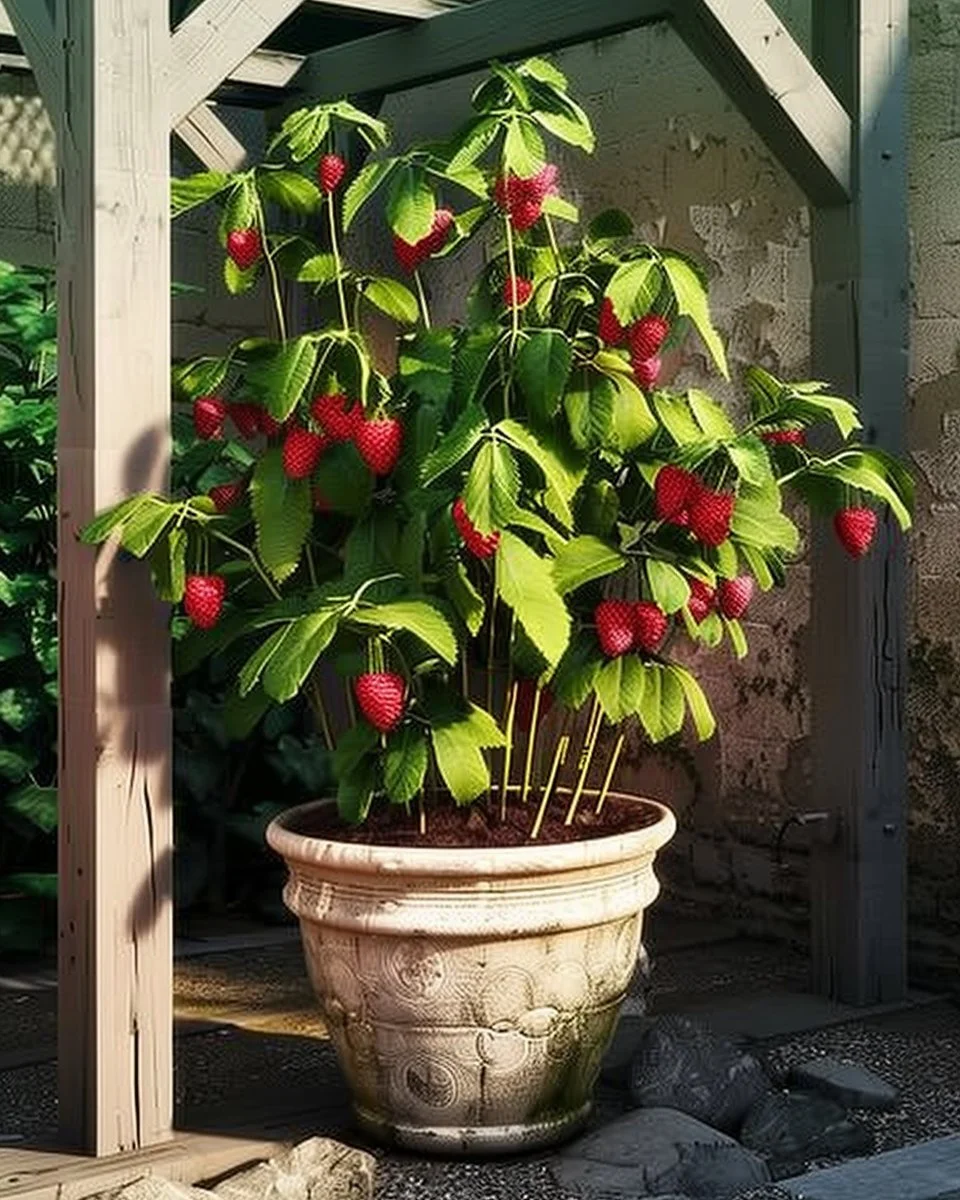
Imagine stepping outside your back door on a warm summer day, the sun shining down and a gentle breeze blowing. You wander over to your patio, where vibrant pots line the railing. Among them, luscious raspberry plants are bursting with plump, ripe berries just waiting to be picked. It’s a beautiful image, and here’s the great news: you can create this scene yourself! Growing raspberries in pots/containers – Garden Gear Shop is not only feasible but can also be tremendously rewarding. In this guide, you’ll learn everything you need to turn your container garden into a thriving raspberry patch. From selecting the right varieties and containers to caring for your plants, we’ll cover all the essentials to help you succeed. Let’s dive into the juicy world of raspberry gardening!
Table of Contents
Choosing the Right Raspberry Varieties for Containers
When it comes to growing raspberries in pots/containers – Garden Gear Shop, selecting the right variety is crucial. Depending on your climate and personal preferences, you have a couple of options. The two main categories are summer-bearing and ever-bearing raspberries.
Summer-Bearing vs. Ever-Bearing Varieties
Summer-bearing varieties produce their fruit once per season, usually in mid-summer. On the other hand, ever-bearing varieties bear two crops—one in the summer and another in the fall. Consider your eating habits and how much space you have: if you love fresh berries to snack on all summer long, ever-bearing might be the way to go.
Recommended Raspberry Varieties for Pots
Here are a few great varieties to consider:
- Heritage: This ever-bearing variety is known for its excellent flavor and productivity, making it a favorite for container gardening.
- Raspberry Shortcake: A dwarf variety that’s perfect for small spaces, it offers sweet berries and requires minimal pruning. It’s also thornless, making it great for kids!
- BrazelBerry: Another compact option, BrazelBerry is fantastic for small patios and decks and produces delicious, firm fruit.
Selecting the Best Containers
Once you’ve chosen your raspberry variety, it’s time to find the perfect container. You want something both functional and attractive for your outdoor space.
Ideal Container Sizes
Generally, the bigger, the better! Raspberry plants have extensive root systems, so aim for containers that hold at least 5 gallons of soil. If you can manage larger pots, like 10 gallons, that’s even better. More soil means better moisture retention and nutrition.
Essential Features for Raspberry Containers
Opt for containers with drainage holes to prevent water from pooling at the bottom, which can lead to root rot. You can also consider fabric pots, which provide excellent drainage and aeration, helping your plants thrive.
Soil and Planting Tips
The soil you choose is just as important as the container. Raspberries love well-draining, nutrient-rich soil.
Creating the Perfect Soil Mix
A mix of potting soil, compost, and a little perlite or vermiculite works wonders. This combination helps retain moisture while ensuring that the roots can breathe. Generally, a ratio of 2 parts potting soil to 1 part compost and 1 part perlite creates a balanced environment.
How to Plant Raspberry Seeds or Starts
Transplanting raspberry starts is typically more straightforward than growing from seeds. When planting, dig a hole deep enough to cover the roots but not the crown of the plant, as that can cause rot. Once planted, water the area well and ensure it gets adequate sunlight—raspberries thrive in full sun!
Care and Maintenance of Container Raspberries
Now that you’ve planted your raspberries, keeping them healthy is key.
Watering Guidelines
Container plants can dry out more quickly than those in the ground, so check moisture levels often. Water deeply but less frequently to encourage strong root growth. During hot spells, you might need to check and water daily.
Fertilizing Your Raspberry Plants
During the growing season, apply a balanced fertilizer every four to six weeks to ensure your plants have plenty of nutrients. Organic options like fish emulsion or compost tea can work well!
Supporting Your Raspberry Plants
As your plants grow, they will need support to hold up their weighty berries. A simple stake or trellis can provide the necessary support. When the plants reach a certain height, tie them gently to avoid damage.
Harvesting and Enjoying Your Berries
After all the hard work, it’s time to enjoy the fruits of your labor!
When to Harvest Raspberries
Raspberries are typically ready for picking when they are a vibrant color and easily come off the stem. This usually occurs from mid-summer into early fall, depending on the variety. Be sure to check regularly; ripe raspberries can spoil quickly if left on the plant too long.
Tips for Enjoying Fresh Raspberries
Fresh raspberries are incredibly versatile! Enjoy them straight off the bush, add them to salads, or use them in desserts like pies or tarts. They also freeze well if you’d like to save some for later.
Troubleshooting Common Problems
Even with the best care, raspberry plants can face challenges.
Common Pests and How to Control Them
Keep an eye out for common pests like aphids and spider mites. If you notice any, introduce natural predators like ladybugs or use insecticidal soap for control.
Diseases Affecting Container Raspberries
Watch for signs of diseases like root rot or powdery mildew. Good air circulation and avoiding overwatering can help prevent many issues.
Conclusion
Growing raspberries in pots/containers – Garden Gear Shop is entirely achievable and can bring immense joy to your gardening journey. By selecting the right varieties, containers, and care techniques, you can enjoy the beauty and deliciousness of homegrown raspberries. Don’t be discouraged if you encounter challenges; every gardener faces them. With determination and a little love, you’ll soon be reaping a bountiful harvest of sweet, juicy berries right from your own patio.
FAQs
What type of pots are best for raspberries?
Larger pots with drainage holes, such as 5 to 10-gallon containers, are ideal for raspberries.
How much sunlight do raspberry plants need?
Raspberry plants thrive in full sun, needing at least six hours of sunlight each day.
Do I need to prune raspberry plants in containers?
Yes! Regular pruning helps keep the plants healthy and encourages better fruit production.
Can I grow raspberries indoors?
While it’s possible, they typically need plenty of sunlight, so a bright window or supplemental lighting would be necessary.
How can I tell when raspberries are ripe?
Ripe raspberries are bright in color and easily detach from the stem. Look for plump, vibrant berries for the best taste!