
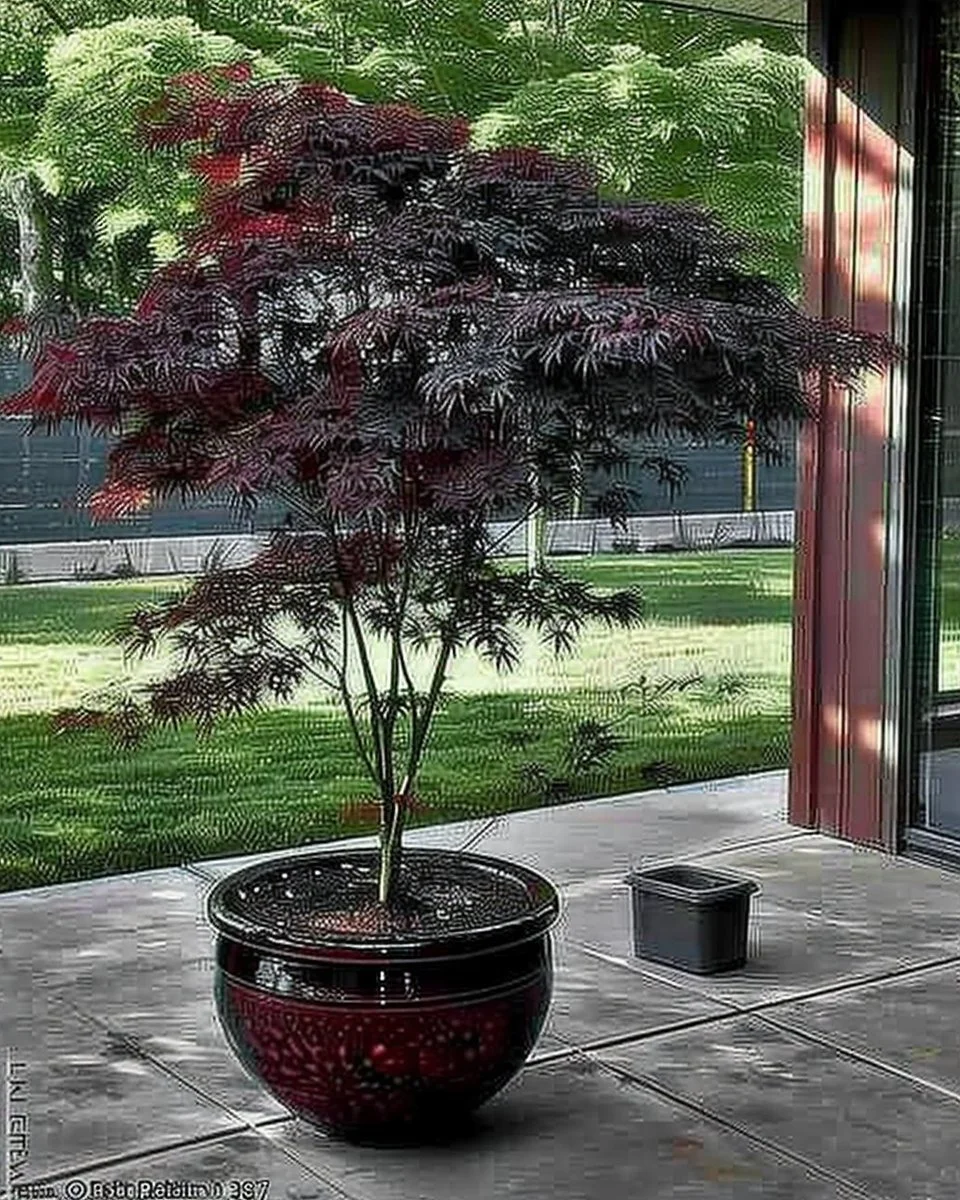
Introduction
Have you ever dreamt of having a beautiful Japanese maple tree gracing your patio or balcony? The delicate, vibrant leaves of these trees can bring a touch of tranquility and elegance to any outdoor space. If you’re short on garden space or simply want to add a unique focal point to your landscape, then growing Japanese maple trees in containers is the perfect solution. In this guide, you’ll discover everything you need to know about selecting, planting, and nurturing these stunning trees in pots. Get ready to transform your outdoor space with these magnificent beauties!
Table of Contents
Soil Selection and Preparation
When it comes to growing Japanese maple trees in containers, the foundation starts with the soil. Choosing the right potting mix is crucial for the plant’s health.
Choosing the Right Potting Soil
Opt for a well-draining potting mix designed for trees or general planting. A blend that includes perlite or vermiculite is ideal, as it helps aerate the soil and allows for proper drainage—key to preventing root rot.
Importance of Drainage
Ensure that your container has ample drainage holes. Waterlogged soil can be detrimental to your Japanese maple’s health, leading to a myriad of problems. If your pot lacks drainage holes, consider using a plastic pot inside a decorative outer pot for better water management.
Selecting the Right Container
The container you choose can significantly affect the growth and health of your Japanese maple.
Size and Material Considerations
A 5-gallon container is usually the minimum size recommended for a young Japanese maple. As these trees mature, they may need to be moved into larger pots for continued growth. Materials can vary; while plastic pots are lightweight and easy to move, ceramic or terracotta pots often provide better insulation.
Tips for Container Aesthetics
Choose a container that complements the landscape and adds to the visual appeal of your space. A textured, colorful pot can enhance the beautiful foliage during the growing season and provide a striking contrast in winter.
Picking the Ideal Japanese Maple Variety
Not all Japanese maples are created equal, especially when it comes to containers.
Best Varieties for Containers
Some great options for container growth include ‘Crimson Queen,’ known for its red, lacey leaves, and ‘Shishigashira,’ recognized for its unique, lion’s mane-like foliage. These varieties are compact yet vibrant, ideal for smaller spaces.
Seasonal Considerations
Certain varieties may be more adaptable to your specific climate, so consider what works best in your area for the utmost success in growing Japanese maple trees in containers.
Proper Care for Container-Grown Japanese Maples
Caring for your containerized Japanese maple is crucial for its growth and longevity.
Watering and Fertilization
These trees prefer consistently moist soil, without it being soggy. Check the soil regularly, and water when the top inch feels dry. During the growing season, a balanced, slow-release fertilizer will help your maple thrive, but be careful not to over-fertilize, which can hurt the tree’s health.
Pruning and Maintenance
Regular pruning is essential, especially for maintaining shape and removing any dead or diseased branches. Prune in late winter or early spring before new growth begins, allowing the tree to flourish.
Common Issues and Pests
Even with the best care, your Japanese maple might experience some common problems.
Identifying and Managing Pests
Be vigilant for pests such as aphids or scale. Regularly check the undersides of leaves and treat infestations promptly with insecticidal soap or neem oil, which are effective and environmentally friendly options.
Signs of Stress in Trees
Yellowing leaves, wilting, or leaf drop can indicate stress. Monitor your trees closely and adjust their care as needed. Too much sun exposure or inadequate watering can lead to deterioration, so always assess their living conditions.
Creating the Perfect Environment
The environment your Japanese maple grows in can make all the difference.
Light Requirements
Most Japanese maples prefer partial shade, especially in hotter climates. A location that offers morning sun and afternoon shade can help prevent leaf scorch.
Protecting from Extreme Weather
In climates where temperature extremes occur, consider moving your container indoors or to a sheltered area during harsh winters or summers. This can protect the roots from freezing conditions and overheating, ensuring your trees remain healthy throughout the year.
Conclusion
Growing Japanese maple trees in containers can be a rewarding endeavor. With the right knowledge and approach, you can enjoy these stunning trees even in limited spaces. From selecting the right variety to providing care, remember that each step contributes to your maple’s health. No matter your experience level, cultivating a beautiful Japanese maple is within reach. So grab a pot, choose your favorite variety, and enjoy the beauty these trees bring to your life!
FAQs
Can I grow a Japanese maple in a small container?
While small containers are possible for young trees, it’s best to select a larger pot to allow for proper growth and root development.
How often should I water my container-grown Japanese maple?
Watering should be frequent enough that the soil stays moist but not soggy. Check the top inch of soil and water when it’s dry.
What type of fertilizer is best for Japanese maples in containers?
A balanced, slow-release fertilizer is recommended during the growing season to provide the necessary nutrients without overwhelming the tree.
Are Japanese maples prone to pests?
Yes, they can be susceptible to pests like aphids and scale. Regular checks and appropriate treatments can manage these issues effectively.
Should I bring my Japanese maple indoors during winter?
If you live in a region with harsh winters, it’s a good idea to protect the tree by moving it to a sheltered area or indoors to prevent damage to the roots.