
Introduction
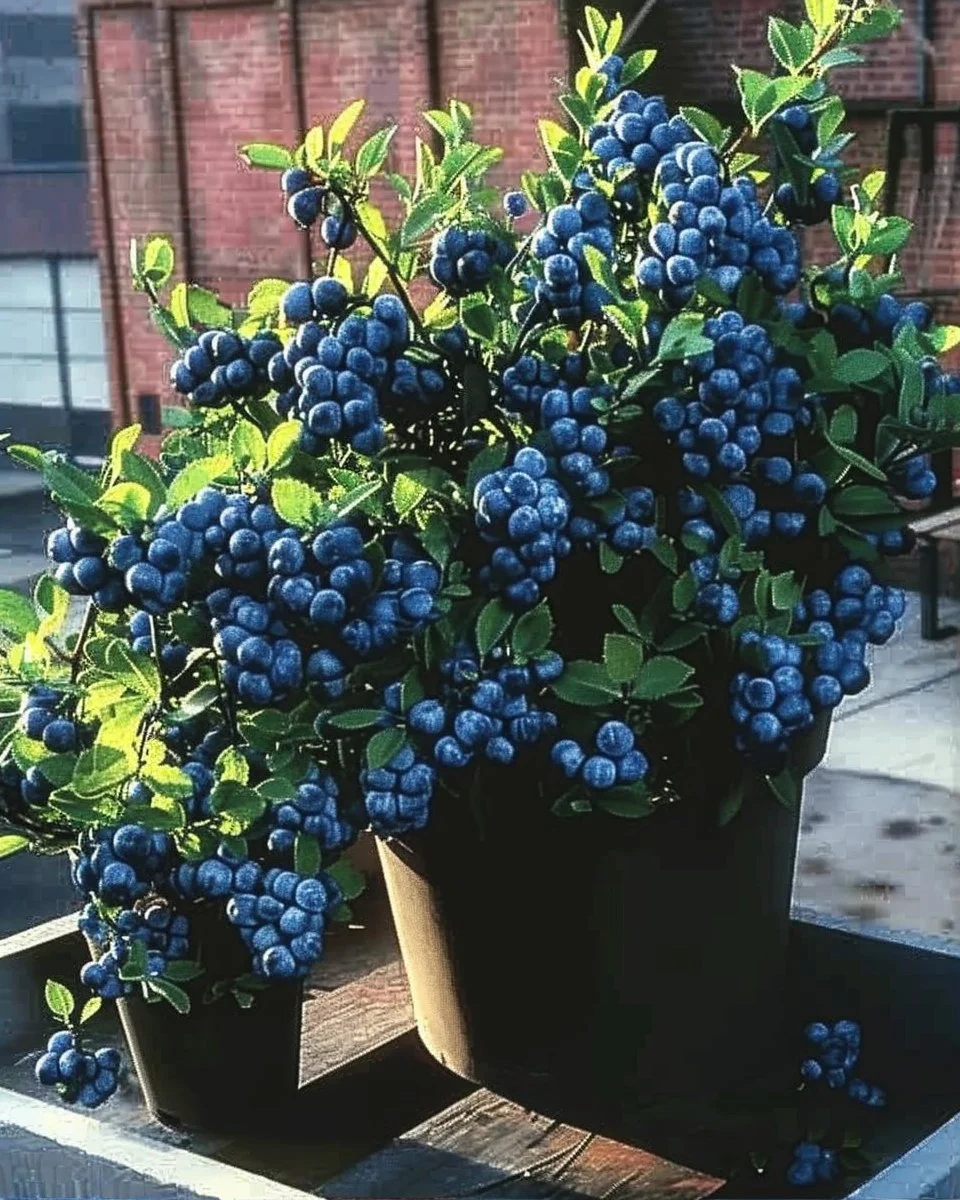
Have you ever found yourself craving fresh blueberries, only to discover they’re either too far away or outrageously expensive at the grocery store? Imagine stepping outside to grab a handful of sun-ripened berries right from your own patio or balcony. This delightful vision can become your reality through the lovely practice of Growing Blueberries in Containers! Whether you’re limited on space or simply want to enjoy the convenience of home-grown fruit, container gardening is the perfect solution.
In this guide, we will walk you through everything you need to know about successfully growing blueberries in containers. You’ll learn about the best varieties to choose, how to prepare your containers, optimal soil blends, watering and sunlight needs, and much more. Let’s dive in and explore the sweet world of container blueberry gardening!
Table of Contents
Choosing The Right Blueberry Varieties
Blueberries offer an array of varieties, each uniquely suited for different conditions and tastes. It’s crucial to select the right ones for your specific situation when Growing Blueberries in Containers.
Highbush Blueberries
Highbush varieties can grow up to six feet tall, making them a popular choice for home gardens. They produce large, sweet berries and thrive in USDA Zones 3 to 7. Some excellent options include ‘Bluecrop’ and ‘Patriot.’
Lowbush Blueberries
If you prefer a smaller plant, consider lowbush blueberries. These are typically lower to the ground and produce smaller, flavorful berries. ‘Northcountry’ is a favorite among many home gardeners for container growing.
Rabbiteye Blueberries
Rabbiteye blueberries are ideal for warmer climates (USDA Zones 7-9) and boast a robust yield. Varieties like ‘Tiftblue’ and ‘Climax’ are great choices and can add variety to your blueberry selection.
Selecting Containers
Picking the right containers is a key factor in successful Growing Blueberries in Containers. Let’s break down the essentials:
Material Options
Containers come in various materials: plastic, ceramic, and even fabric. Plastic is lightweight and affordable, while ceramic offers a more aesthetic appeal but can be heavy. If you’re growing in a colder climate, consider insulated containers to protect your blueberries’ roots.
Size Considerations
Your containers should ideally be at least 18 inches in diameter and deep to accommodate the blueberry plant’s root system. Research shows that larger containers help reduce stress on the roots and may lead to a more fruitful plant.
Drainage Needs
Good drainage is vital for blueberry plants. Ensure your containers have sufficient drainage holes at the bottom. If using pots without drainage, consider adding stones or a layer of gravel at the bottom.
Soil Requirements
Blueberries prefer acidic soil, generally with a pH between 4.5 and 5.5. Here’s how to create the perfect soil mixture:
Perfect Soil Mix
A blend of potting soil, peat moss, and pine bark works wonders for Growing Blueberries in Containers. Aim for a 50-50 mix of potting soil and peat moss, with a handful of pine bark for aeration.
Nutrient Additions
Adding organic matter or a slow-release fertilizer designed for acid-loving plants can help boost nutrients in the soil. Don’t forget to test the pH periodically to make sure it stays within the preferred range.
Watering And Light Needs
Understanding the watering and light requirements is crucial for healthy blueberry growth.
Watering Schedule
Blueberries love moisture but cannot tolerate soggy roots. Water your container plants deeply once a week, ensuring the top layer of soil dries out slightly before the next watering. On hot days, you may need to check moisture levels more frequently.
Light Requirements
Blueberries thrive in full sun, so pick a location that gets at least six to eight hours of direct sunlight daily. If you’re limited on space, consider rotating containers for maximum sun exposure.
Fostering Healthy Growth
Proper care and attention will lead to healthy, fruitful blueberry plants.
Pruning Tips
Pruning encourages healthy growth and maximizes berry production. In the early spring, cut back any dead or weak branches, aiming to maintain an open center for light penetration.
Fertilization Basics
Consider fertilizing your blueberries with a low-nitrogen, acid-forming fertilizer in early spring and again in mid-summer. Just be cautious not to over-fertilize, as this can harm your plants.
Benefits Of Container Gardening
Container gardening offers several perks! You can move your plants to optimize sunlight, protect them during harsh weather, or even bring them indoors during the winter months. Additionally, container gardening can minimize weed growth and make pest control easier.
Common Challenges
Even with good care, challenges may arise. Be on the lookout for signs of nutrient deficiencies or pests, such as aphids or spider mites. Using insecticidal soaps or organic treatments can often resolve these issues without harming your plants.
Harvesting Your Blueberries
Once your containers are thriving, it’s time to enjoy the fruits of your labor! Blueberries will typically ripen in late summer. A ripe blueberry will easily come off the stem when gently pulled and will be deep blue in color.
Conclusion
Growing blueberries in containers can be a rewarding endeavor, offering fresh, delicious fruits right at your fingertips. By choosing the right variety, ensuring proper container conditions, and providing ample care, you can cultivate a successful blueberry garden, no matter your space constraints. So grab your containers, get your hands a bit dirty, and enjoy the wonderful journey of Growing Blueberries in Containers!
FAQs
Can I grow blueberries in containers year-round?
Yes, you can grow blueberries in containers year-round, but be sure to protect them from extreme temperatures. Moving them to a sheltered area or indoors during harsh weather can help.
How often should I fertilize my container blueberries?
You should fertilize your blueberries in early spring and again mid-summer, following the guidelines for your specific fertilizer type.
What signs indicate my blueberries need more water?
If the leaves begin to droop and the soil feels dry to the touch, it’s time to water your blueberries.
Can I use regular potting soil for blueberries?
Regular potting soil is not ideal. Blueberries require acidic soil, so it’s best to use a mix designed specifically for acid-loving plants.
How long does it take for container blueberries to produce fruit?
Typically, seedlings will start producing fruit in their second or third year. Patience is key, but the wait is well worth it!