
Introduction
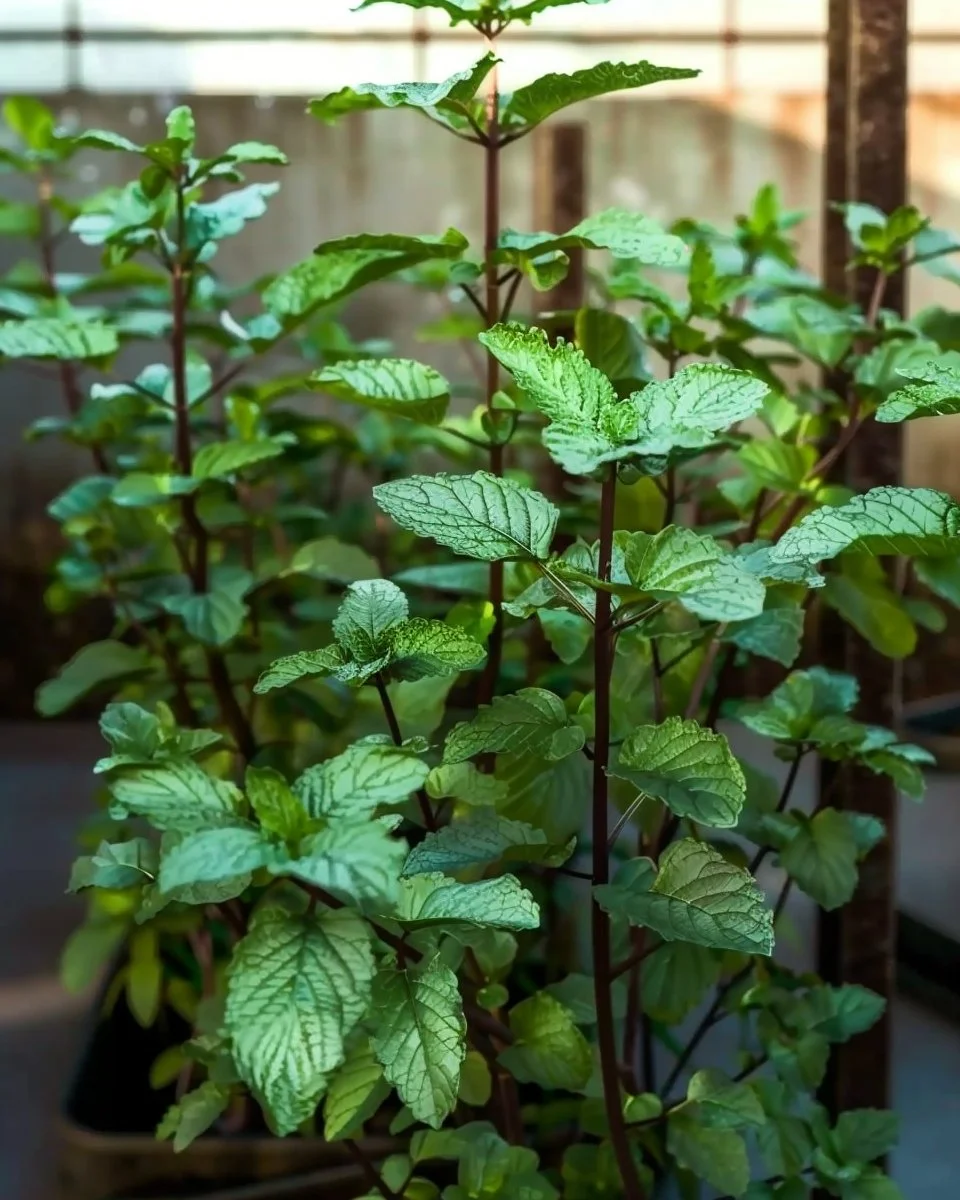
Mint is that delightful herb that can take your culinary creations to the next level. Whether it’s a refreshing mojito on a hot summers day or a simple garnish on a dessert, mint adds a touch of freshness like no other. Have you ever thought about how satisfying it would be to pluck mint straight from your garden anytime you want? Imagine stepping outside your door, reaching for a few fragrant leaves, and enhancing your dishes and drinks effortlessly. That’s the beauty of knowing how to grow your own mint for a never-ending supply!
In this guide, you’ll discover the joy of cultivating this aromatic herb right at home. From selecting the right variety to understanding care tips, harvesting, and even some creative uses, you’ll have everything you need to ensure that your mint grows abundantly and continues to flourish throughout the seasons. Let’s embark on this exciting gardening journey together!
Table of Contents
Choosing the Right Mint Variety
When it comes to mint, the options are seemingly endless. Knowing which variety to choose might feel overwhelming, but understanding what each type brings to the table is key to cultivating a lush, thriving supply.
Popular Mint Varieties
Peppermint and spearmint are the two most commonly recognized types. Peppermint has a stronger, more intense flavor, making it fantastic for candies and desserts. In contrast, spearmint is milder, perfect for drinks and savory dishes. There are also delightful varieties like chocolate mint, which has a sweet, subtle flavor perfect for baking and teas.
Flavor Profiles of Different Mints
Have you ever tried apple mint? Its fuzzy leaves possess a crisp, apple-like fragrance that can add unique flair to salads and beverages. There’s also pineapple mint, which combines a hint of pineapple with a traditional mint flavor, a fun addition to fruit salads or tropical cocktails. Selecting a mint variety that resonates with your culinary style is a surefire way to keep you excited about tending to your plants.
Preparing to Grow Mint
With the right variety in mind, it’s time to consider how to set up your mint for success. Mint is often described as a sturdy and adaptable plant, fitting in well into various environments. However, some preparation will yield the best results.
Ideal Soil Conditions
Mint thrives in rich, well-draining soil. A mixture that includes loamy soil with organic matter, such as compost, is ideal. Make sure the pH level hovers around 6.0 to 7.0, slightly on the acidic side but not too far from neutral.
Potting vs. Ground Planting
If you decide to grow your own mint in a pot, look for a container that allows for proper drainage. Mint is known for its vigorous growth and rhizomatic nature, so a larger pot can help prevent it from overtaking other plants. If you want to plant in the ground, consider creating a designated mint patch or using garden borders to control its spread.
Essential Care for Mint Plants
Now that your mint is planted, let’s discuss how to ensure it stays healthy and productive. Mint likes to be pampered just enough, striking a balance between neglect and over-care.
Watering and Sunlight Requirements
Mint prefers consistently moist soil, so aim to water the plants regularly, especially during dry spells. However, be cautious of overwatering, as soggy soil can lead to rot. When it comes to sunlight, mint enjoys full sun but will be grateful for a bit of afternoon shade during the hotter months.
Fertilizing Mint for Maximum Growth
Though mint is a robust plant, a little boost can promote bushy growth and enhance flavor. Using a balanced liquid fertilizer once a month during the growing season can encourage your mint to thrive. Alternatively, organic compost can nourish the soil and improve its structure, benefiting your mint in the long run.
Harvesting Your Mint
The moment has finally arrived! Harvesting is not just about snipping a few leaves; it’s an essential part of your mint-growing journey that encourages the plant to produce even more.
Best Practices for Harvesting
To properly harvest mint, begin picking the leaves once the plant has established itself, usually after about 2-3 months. Cut just above a set of leaves, which encourages branching and growth. You can collect the leaves at any time, but morning is generally optimal when oils and flavors are most concentrated.
Tips for Encouraging Growth
Regularly harvesting your mint not only provides you with fresh ingredients but also promotes a fuller plant. The more you prune, the bushier and healthier your mint will become. If you find your mint getting leggy or sparse, don’t hesitate to give it a good trim; it’ll reward you with vibrant new growth.
Creative Uses for Mint
Mint isn’t just an herb to throw into dishes; it can enhance flavors, provide health benefits, and even add beauty to your home. Let’s explore some thrilling ways to use your fresh mint.
Culinary Inspirations
Mint can elevate your cooking in countless ways. Try added chopped mint to a fruit salad or a yogurt dip for a refreshing twist. You can also create a mint pesto or a herb-infused syrup for cocktails. Have you ever blended fresh mint into lemonade? It makes for an exceptionally refreshing drink!
Beyond the Kitchen: Health and Wellness Applications
Mint isn’t just delectable; it’s also known for various health benefits! Tea made from mint can aid digestion and soothe headaches. You can also create a simple mint oil for soothing skin irritation after a day in the sun. Just ensure you infuse the oil properly for best results.
Troubleshooting Common Mint Issues
Like any plant, mint can encounter challenges. Recognizing and addressing these issues early on can make all the difference in sustaining your mint harvest.
Pests and Diseases to Watch Out For
Common pests like aphids or spider mites can become nuisances, but they’re often manageable with basic organic insecticidal soap. Additionally, powdery mildew can form in overly humid conditions. Aim for good airflow around your plants and avoid excessive watering to keep this at bay.
Environmental Factors Affecting Growth
Mint can be picky about its environment. If it’s not thriving, check for signs like yellowing leaves or stunted growth, which could indicate either insufficient light or nutrient deficiency. Adjusting your care and ensuring your mint gets plenty of sunlight can help bring it back to life.
Conclusion
Growing your own mint for a never-ending supply is not just a satisfying endeavor; it’s also a delightful journey filled with flavor, aromas, and creativity. By choosing the right variety, preparing properly, and caring for your plants, you’ll create a flourishing garden that offers fresh mint throughout the seasons. Remember the little techniques like regular harvesting and creative usage; these will ensure your mint doesn’t just grow but thrives, enriching your culinary experiences and health along the way. So, are you ready to begin your mint-growing adventure? Let’s get those plants started!
FAQs
How often should I water my mint?
Mint likes consistently moist soil, so water it whenever the top inch of soil feels dry, especially during hot weather.
Can I grow mint indoors?
Absolutely! Mint can thrive indoors as long as it receives adequate sunlight and is in a well-draining pot.
Is mint invasive?
Yes, mint can be invasive if planted directly in the ground. Consider potting it or using garden borders to control its growth.
When is the best time to harvest mint?
You can start harvesting mint once the plant has established itself after about 2-3 months. Morning is the best time to pick leaves for maximum flavor.
What other herbs grow well with mint?
Mint pairs well with other herbs such as basil, oregano, and chives, which can create a lovely herb garden without too much competition.