Introduction
Growing plants can be one of life’s most rewarding pursuits. There’s something magical about nurturing a seed, watching it sprout, and eventually transforming into a flourishing plant. However, if you’re limited on space or just love the idea of container gardening, you might find yourself asking, How to grow plants in large pots long term? This isn’t just about sticking a plant in a pot and hoping for the best; it involves understanding the unique needs of container plants. In this guide, you’ll learn practical strategies for successful long-term growth, including selecting the right potting mix, watering techniques, fertilizing tips, and much more.
Table of Contents
Preparing the Right Environment for Container Plants
When you’re figuring out how to grow plants in large pots long term, consider the environment surrounding your pots. Unlike in-ground gardens, container gardens require careful thought about the pot material and placement.
Selecting the Right Types of Pots
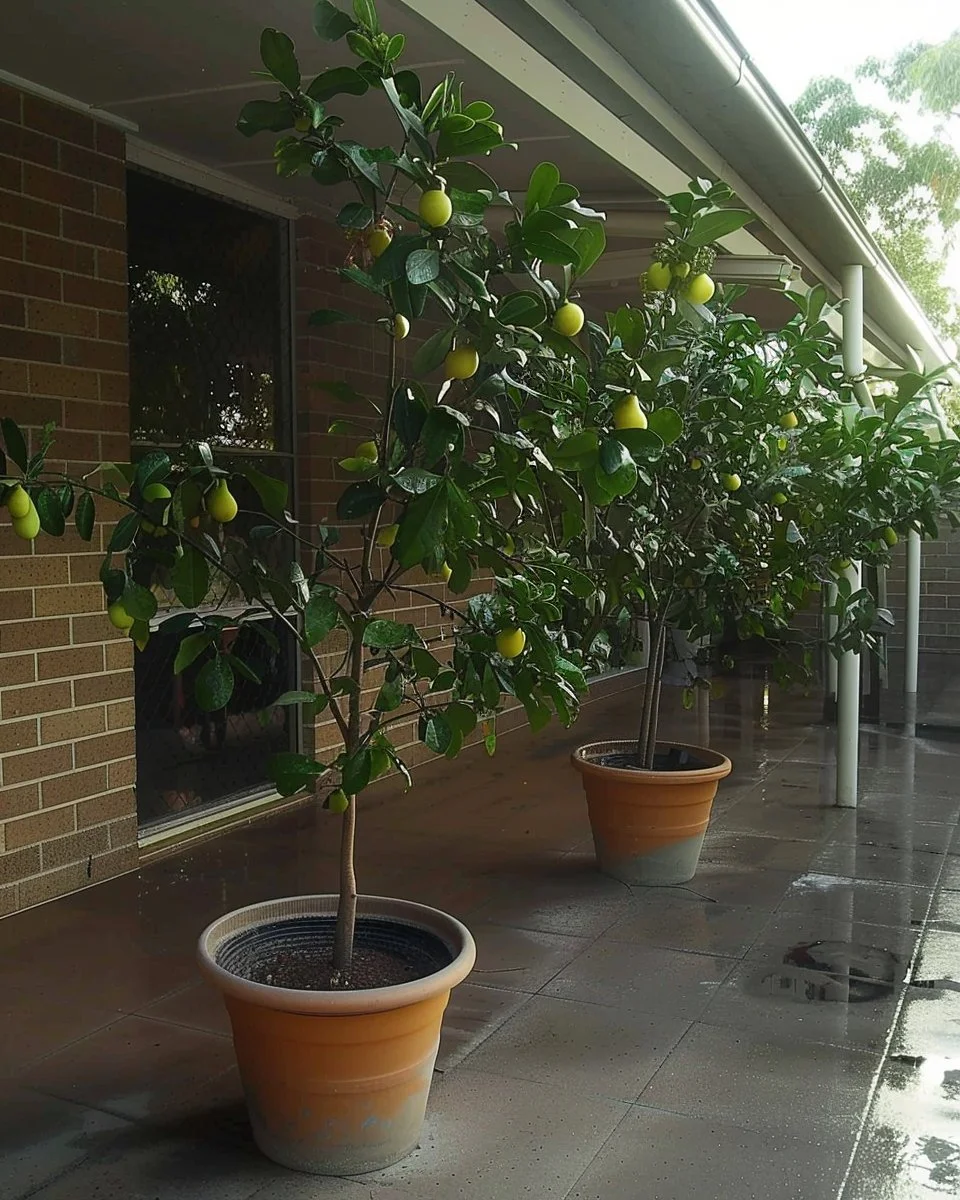
There are countless types of pots available, from terracotta to plastic and ceramic. Each comes with its pros and cons. Teracotta pots are porous, allowing for air circulation but can dry out quickly. Conversely, plastic pots retain moisture better but may not provide adequate drainage. Large pots are beneficial because they allow deeper root systems, critical for long-term growth. When selecting your pots, always ensure they have drainage holes to prevent waterlogging.
Positioning Your Pots for Optimal Growth
Sunlight is a key ingredient for plant health. Most plants require at least six hours of direct sunlight per day. If you’re unsure about your garden’s sunny spots, try moving your pots around until you find the perfect spot. Keep in mind that some plants thrive in shade, while others will scorch in direct sunlight. Researching your specific plants will provide more insight into their sunlight preferences.
Choosing the Best Potting Soil
Next on the list of how to grow plants in large pots long term is to get your potting soil right. The soil you choose will make a significant impact on your plant’s overall vitality.
Understanding Soil Composition
A quality potting mix generally contains a combination of soil, peat moss, and perlite or vermiculite which provide drainage and aeration. Avoid using regular garden soil as it can compact in pots, leading to poor drainage and root issues.
Enhancing Soil for Nutrient Retention
To ensure long-term health, consider adding organic matter such as compost or coconut coir to your potting mix. This not only helps retain moisture but also adds essential nutrients, which is crucial as plants absorb nutrients quickly in the limited space of a pot.
Watering Techniques for Long-Term Success
Watering is an art, especially when learning how to grow plants in large pots long term.
Signs of Over-Watering and Under-Watering
One of the most challenging aspects of container gardening is striking the right balance. Over-watering can lead to root rot, while under-watering can impact the plant’s ability to flourish. Signs of over-watering include yellowing leaves and waterlogged soil. On the other hand, plants that are thirsty will droop and their soil will look dry.
Best Practices for Watering Container Plants
A general rule of thumb is to stick your finger about an inch into the soil. If it feels dry, it’s time to water. When you do water, soak the entire root ball until water starts draining from the bottom. This promotes deep root growth and encourages the plant to access water and nutrients from the broader soil area.
Nutrition and Fertilization Strategies
Providing balanced nutrition is crucial in how to grow plants in large pots long term.
Types of Fertilizer for Container Plants
For container plants, consider using a slow-release fertilizer. This type of fertilizer breaks down gradually and feeds your plant over time, allowing for consistent growth. Liquid fertilizers can also be beneficial but should be applied more frequently.
When and How to Fertilize
Fertilize during the growing season, typically spring through early fall. Always follow the recommended dosage on the fertilizer label, as over-fertilizing can harm your plants.
Pest Management in Container Plants
Pest invasions can derail even the healthiest container garden. Managing pests is an essential part of learning how to grow plants in large pots long term.
Common Pests and How to Handle Them
Some of the most common pests include aphids, spider mites, and whiteflies. Keeping your plants clean is vital. Regularly inspecting them and using insecticidal soap or neem oil can help keep pests at bay.
Preventive Measures to Protect Your Plants
Consider companion planting or using physical barriers like netting to prevent pest issues before they start. Encouraging beneficial insects, like ladybugs, can also help control pest populations naturally.
Seasonal Care for Container Gardens
Taking care of your plants all year round is crucial for success.
Preparing Your Plants for Different Weather Conditions
In the summer, ensure that your pots don’t heat up too much; consider moving them to slightly shaded areas during excessive heat. In winter, protect your plants from freezing temperatures either by moving them indoors or covering them with frost cloths.
Winterizing Your Container Plants
If you live in an area with harsh winters, it’s crucial to prepare your plants. You may need to prune back some varieties and ensure they’re insulated against the cold. A good layer of mulch can help insulate the roots from freezing temperatures.
Conclusion
Growing plants in large pots can be an incredibly fulfilling endeavor, providing you the flexibility of gardening without the constraints of traditional methods. By understanding how to grow plants in large pots long term through proper pot selection, watering, nutrition, and pest management, you can create a thriving container garden. Remember to pay attention to your plants’ unique needs, and always keep experimenting—gardening is as much about process as it is about the final product. Get your hands dirty, enjoy the journey, and watch your plants flourish!
FAQs
What types of plants can thrive in large pots?
Plants like tomatoes, peppers, and many perennials do well in large pots, provided they have enough sunlight and water.
How often should I water my container plants?
Watering frequency depends on the climate and plant type, but generally, once a week or when the top inch of soil feels dry is a good starting point.
Can I use regular garden soil for my potted plants?
It’s best to use a potting mix designed for containers, as garden soil can compact and lead to drainage issues.
How do I prevent my container plants from freezing in winter?
You can move pots inside, wrap them in bubble wrap, or use frost cloths for outdoor protection.
Should I fertilize my container plants in winter?
Most plants do not require fertilization during their dormant winter period, but check on specific needs based on the plant type.