
Introduction
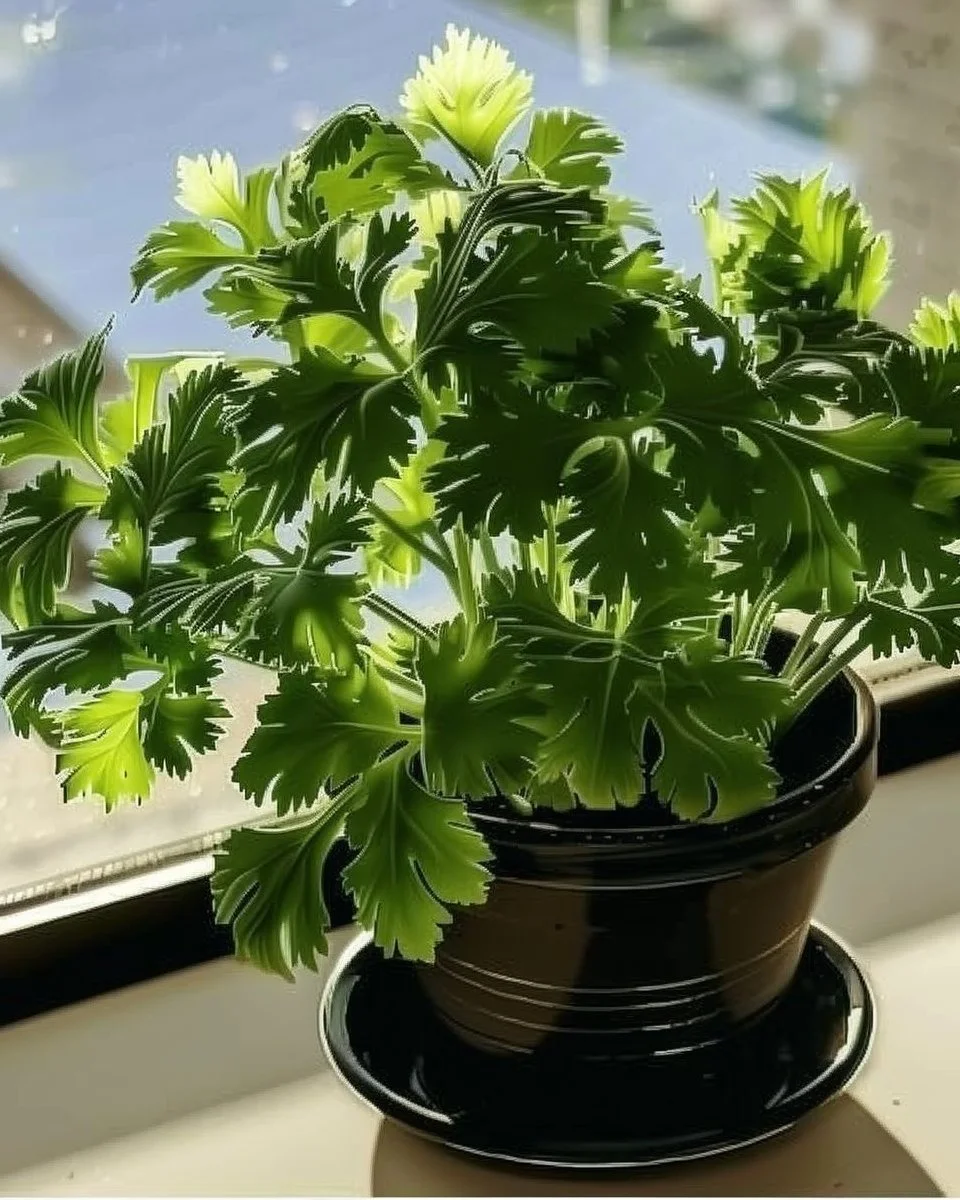
If you’ve ever stood in your kitchen, sniffing a fresh bunch of cilantro, you know it’s a staple ingredient in many delicious dishes, from salsa to Thai curry. But did you realize that growing your own cilantro can be just as rewarding as cooking with it? It’s surprisingly easy! Today, I’m excited to share the 9 Little-known Secrets to Grow the Best Cilantro Ever. Whether you’re a seasoned gardener or a new plant parent, these tips will help you cultivate a vibrant, aromatic cilantro garden right in your backyard or even on your kitchen windowsill. Let’s dig in!
Table of Contents
Choosing the Right Variety
When it comes to growing cilantro, the first step is selecting the right variety. You might think all cilantro is synonymous, but there are indeed different types that can influence the flavor and growth rate. The most common varieties include “Slow-Bolt,” a favorite for warm climates because it resists bolting (going to seed), and “Diamond” cilantro, which is known for its robust flavor and longer-lasting leaves. This variety can be your secret weapon for an abundant harvest throughout the season.
Did you know that the taste of cilantro can vary widely among different varieties? If you’re particular about flavor, it might be worth experimenting with a few types to find your personal favorite.
Ideal Growing Conditions
To grow the best cilantro, you need to provide the right environment. Cilantro loves a temperate, sunny spot but can be finicky about heat. Here are the details:
Soil Quality and pH
Cilantro thrives in well-drained soil rich in organic matter. Aim for a pH between 6.2 and 6.8 for optimal growth. If your soil is clay-heavy, consider mixing in compost to improve drainage and nutrient content.
Sunlight Exposure
The perfect balance of sun and shade is essential for cilantro’s growth. Ideally, you want to provide 6 hours of sunlight per day. However, if you live in incredibly hot climates, giving your cilantro a bit of afternoon shade can prevent it from bolting too soon.
Watering Techniques
Cilantro prefers evenly moist soil but hates soggy roots. Water regularly, especially during hot spells, and check the soil with your finger to see if it’s dry about an inch down. A simple trick is to use a drip irrigation system or self-watering pots to maintain consistent moisture levels.
Planting Cilantro Seeds
Planting cilantro correctly sets the stage for a bountiful harvest. It’s simple, yet there are a few nuances that can make a big difference.
Depth and Spacing
Plant your seeds about 1/4 to 1/2 inch deep and space them about 2 inches apart. This spacing allows for plenty of air circulation and light, which are crucial for healthy growth.
When to Plant
Timing matters! Cilantro is a cool-weather crop. The best time to plant is in early spring or fall, depending on your region. If you’re in a warmer climate, you can even plant it in late winter!
Caring for Your Cilantro
After planting, your cilantro will need some tender loving care to thrive. Here are some essential tips:
Fertilization Tips
Cilantro doesn’t require heavy fertilization, but a little boost can go a long way. Use a balanced, organic fertilizer about four weeks after planting to encourage healthy leaf growth. Too much fertilizer, however, can result in more foliage and less flavor—so use sparingly!
Pest Management
While cilantro is generally pest-resistant, keep an eye out for aphids and spider mites. You can usually manage tiny outbreaks with a simple spray of water or a homemade soap solution. Regularly inspecting your plants is vital; early detection can save you a lot of trouble later on.
Harvesting Techniques
Harvesting your cilantro correctly can extend its growing season and maximize your yields. When the leaves are about 6 inches tall, you can start snipping them off. It’s best to cut the outer leaves first, allowing the center to continue growing. Remember—cutting only a third of the plant at one time ensures it thrives.
Culinary Uses for Cilantro
Once you’ve grown your own cilantro, you’ll want to make the most of it! Cilantro is a versatile herb, enhancing flavors in many types of cuisine. From garnishing tacos to being a core ingredient in pesto or chimichurri, the possibilities are endless. Have you ever tried adding fresh cilantro to a fruit salad? The bright zesty flavor is divine!
Common Issues and Solutions
Even with the best intentions, you might run into some hiccups while growing cilantro. Here are a few common problems and how to solve them:
- Cilantro Bolting: Rapidly going to seed is usually a sign of stress from heat or insufficient watering. To combat this, try planting in partial shade or seed in cooler weather.
- Faded Flavor: If your cilantro taste isn’t as vibrant as expected, check your watering practices. Over-watering can dilute the flavor, while under-watering can stress the plant.
- Limited Growth: Ensure your cilantro isn’t too crowded by other plants—give it space and solo time to shine!
Conclusion
Growing cilantro at home is incredibly rewarding, and with the 9 Little-known Secrets to Grow the Best Cilantro Ever, you’re well on your way to enjoying fresh, flavorful herbs right from your garden. Remember the importance of choosing the right variety, maintaining optimal growing conditions, and caring for your plants diligently. With a little effort, you’ll have endless batches of fresh cilantro to elevate your dishes and impress your family and friends. So grab your gardening gloves, and let’s get planting!
FAQs
Q: How often should I water my cilantro?
A: Water your cilantro regularly, about 1 inch per week, ensuring the soil is moist but not soggy.
Q: Can I grow cilantro indoors?
A: Yes, cilantro can thrive indoors! Just ensure it receives sufficient sunlight, ideally near a south-facing window.
Q: When is the best time to plant cilantro seeds?
A: Plant cilantro seeds in early spring or fall, avoiding the hottest months for the best results.
Q: How can I store freshly harvested cilantro?
A: Store cilantro in a jar with water (like fresh flowers) and cover it loosely with a plastic bag in the fridge for up to a week.
Q: Why does my cilantro have a bitter taste?
A: Bitter cilantro can result from stress, such as heat or poor soil conditions. Be mindful of watering and location to ensure good flavor.