
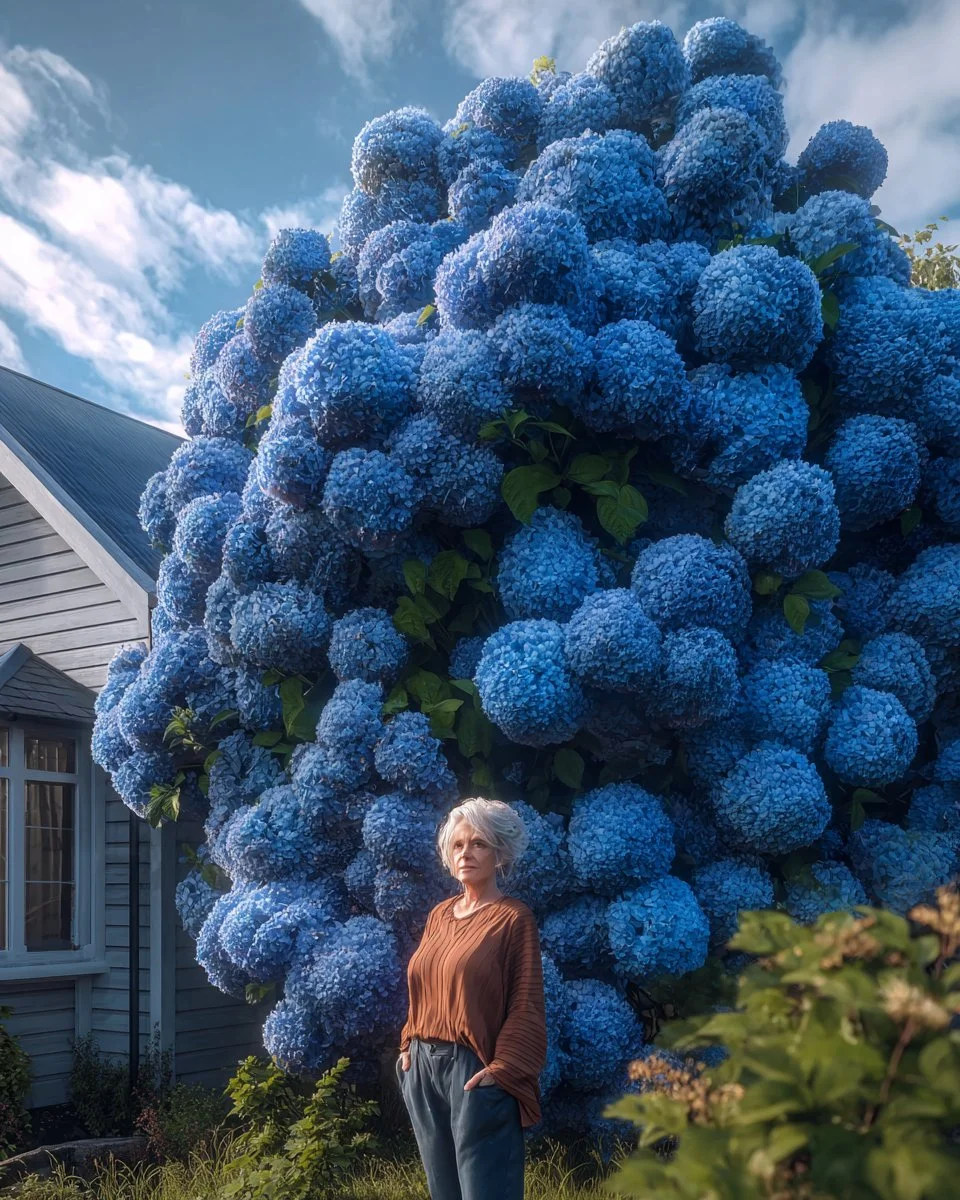
Have you ever sat in your backyard and felt that twinge of dissatisfaction, wishing the space felt more inviting or vibrant? You’re not alone. Many of us have outdoor spaces that don’t quite reflect our personalities or desired aesthetics. This is where exciting garden design ideas come into play. In this article, we’ll delve into practical, creative, and inspiring garden design ideas that will help transform your outdoor area into a beautiful oasis tailored to your tastes. Whether you have a small balcony or a sprawling backyard, there’s something here for everyone, so let’s dig in!
Table of Contents
Understanding Your Space
Before diving into specific garden design ideas, it’s crucial to understand the characteristics of your space. Every garden is unique, and recognizing its key features will help you make informed decisions.
Assessing Sunlight and Shade
First, take note of how sunlight hits your garden throughout the day. Some plants thrive in full sun, while others prefer partial to full shade. For example, if you find sunny spots, consider incorporating sun-loving plants like lavender or succulents. In shaded areas, hostas or ferns might flourish instead. You’ll create a layered, inviting garden that looks alive from different angles.
Considering Soil and Climate
Next, assess your soil quality. Is it sandy, clay-like, or loamy? This will affect what plants will thrive in your garden. A soil test kit can provide insights into pH levels and nutrient content, guiding your plant selection. Additionally, consider your climate zone — are you dealing with hot summers and mild winters, or do you experience harsh winters? Tailoring your garden design ideas to your climate ensures long-term success.
Elements of Garden Design
Every beautiful garden features specific elements that work together to create harmony. Understanding these can help you incorporate your style seamlessly.
Focal Points
Having a focal point can dramatically enhance your garden’s visual appeal. This could be a stunning tree, a decorative birdbath, or an artistic sculpture. A well-placed focal point draws the eye and provides a destination in your garden. Imagine a vibrant bench nestled beneath a flowering tree that invites moments of relaxation and contemplation.
Paths and Walkways
Paths are not only functional but also add structure to your garden. You can use bricks, stones, or mulch to create inviting walkways that lead guests on a journey through your space. They encourage exploration and showcase hidden gems, like a charming seating area tucked away or a flower bed bursting with color.
Plant Selection
Your choice of plants will define the overall aesthetic of your garden. Mixing perennials and annuals can offer visual interest throughout the seasons. For a cottage garden vibe, consider planting a variety of flowering plants, such as daisies and snapdragons. Meanwhile, for a modern look, opt for minimalist plantings with geometric shapes and clean lines.
Style Inspirations
With garden design ideas, the style you choose can significantly influence your outdoor experience. Here are a few popular styles to consider.
Contemporary Gardens
Emphasizing clean lines and simplicity, contemporary gardens often utilize minimalism. Use materials like concrete, metal, or glass to create striking designs. Incorporating native plants in bold arrangements can result in stunning uniformity that’s low-maintenance too.
Cottage Gardens
If you envision a cozy, whimsical atmosphere, cottage gardens may be your answer. Features include an eclectic mix of colorful flowers, climbing vines, and rustic elements like picket fences. This style invites biodiversity, offering charm and character.
Zen Gardens
For those seeking serenity and mindfulness in garden design, consider a Zen garden. Characterized by rocks, gravel, and minimalist plantings, this style encourages meditation and the simple beauty of nature. Raked gravel can symbolize water, providing both peace and stunning aesthetics.
Seasonal Considerations
When planning your garden design, acknowledging the seasons is vital. Different plants and features can shine at various times of the year, adding depth and dimension.
Spring Flare
As the frost recedes, shy crocuses and daffodils begin to bloom. Consider incorporating early bloomers for vibrant colors that shout, “spring is here!” A mix of tulips and hyacinths can provide an enchanting spectacle.
Summer Blooms
With summer comes the opportunity for lush, vibrant growth. This is a great time to include annuals like petunias or marigolds for added color. Additionally, consider installing a seating area where you can enjoy the fruits of your labor under the warm sun.
Fall and Winter Appeal
Don’t forget your garden’s winter presence! Including evergreen plants and ornamental grasses can ensure your garden remains visually interesting even when the flowers fade. Consider adding winter-hardy planters with seasonal greens or even a small sculpture dusted with snow for charm.
Maintenance Tips
Once you’ve crafted a garden tailored to your design ideas, maintenance becomes key to sustaining its beauty.
Regular Upkeep
Regularly watering, weeding, and pruning will keep your garden in its prime. Introducing mulch can help retain moisture and suppress weeds, making maintenance much easier.
Seasonal Preparations
As the seasons change, prepare your garden for the shifts in weather. In the fall, clean up debris and consider covering sensitive plants for winter. Early spring is ideal for planting new seeds and rejuvenating soil with compost.
Conclusion
Incorporating creative garden design ideas can transform your outdoor space from mundane to magical. Understanding your space, selecting appropriate elements, and choosing seasonal plants improve not just the aesthetics but also your connection to nature. Whether you opt for a contemporary feel or a charming cottage garden, the possibilities are endless and exciting. Now, step outside, grab your spade, and let your creativity take root!
FAQs
What are the best plants for a beginner garden?
Start with hardy, low-maintenance plants such as marigolds, hostas, and lavender. They’re forgiving and add great color.
How can I make my small garden look bigger?
Use vertical gardening techniques like climbing plants on trellises, mirrors to reflect light, and lighter colors for paths and walls.
What type of lighting is best for a garden?
Soft ambient lighting, such as solar-powered path lights or string lights, can add ambiance without overpowering the natural beauty.
How often should I water my garden?
Generally, watering 1-2 inches per week is ideal, but adjust based on rainfall and specific plant needs.
Can I design a garden if I have limited space?
Absolutely! Container gardens and vertical plans can maximize smaller spaces beautifully while still allowing for vibrant plant life.