
Introduction
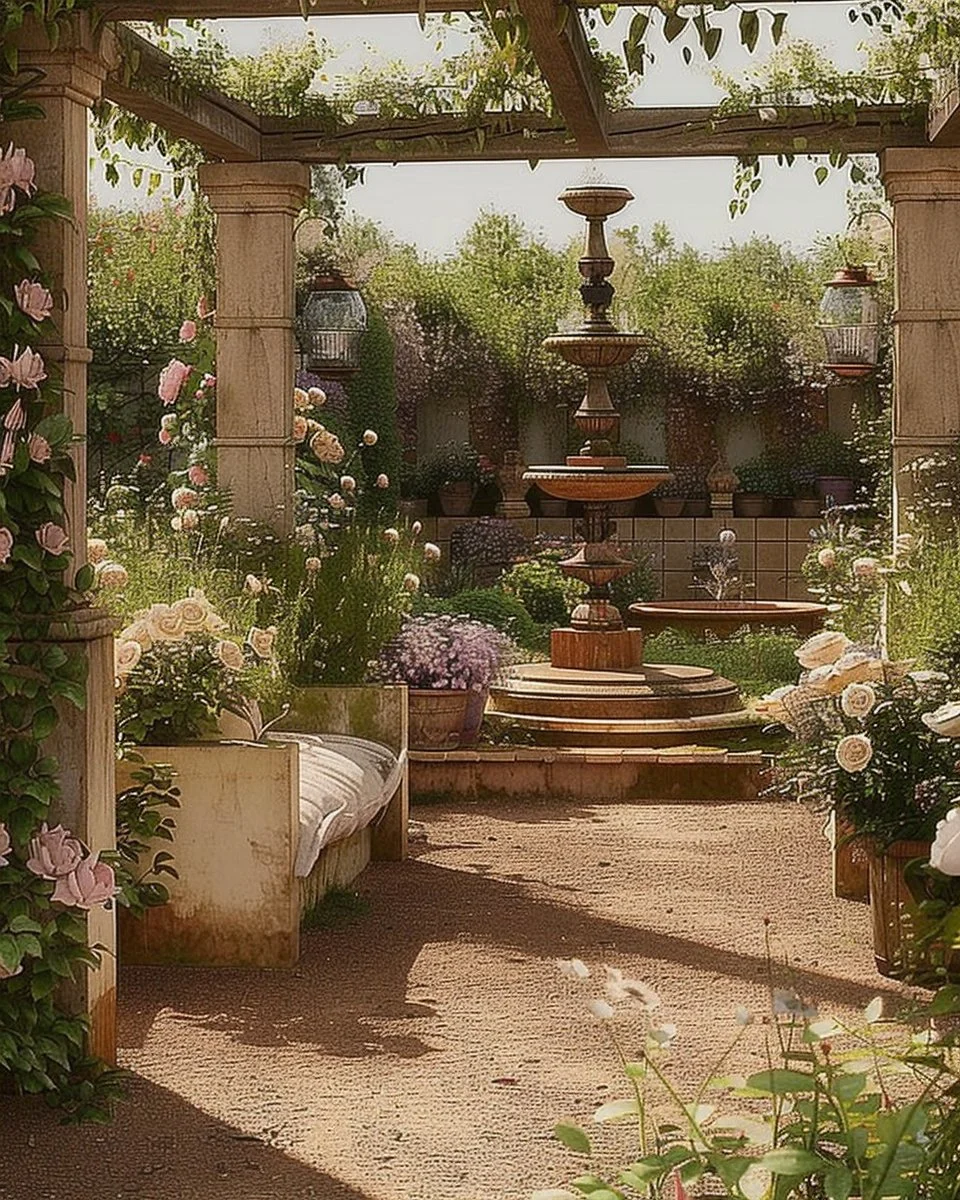
There’s something undeniably enchanting about a French country garden. Picture vibrant blooms spilling over cobblestone paths, a rustic wooden bench nestled under a flowering trellis, and tantalizing scents wafting through the air. If you’ve ever visited a charming village in Provence, you might have found yourself dreaming of capturing that spirit in your own backyard. Today, we’re diving into French Country Garden Design That’s Easy To Replicate At Home, guiding you through simple techniques and ideas that will help transform your outdoor space into a picturesque retreat.
In this article, you’ll learn how to embrace the effortless beauty of a French garden—complete with fragrant herbs, colorful climes, and rustic charm—that anyone can create, whether your yard is spacious or a cozy balcony. Let’s dig in!
Table of Contents
Embracing the French Country Aesthetic
When you think of a French country garden, what comes to mind? Is it a sprawling estate or a quaint cottage? The beauty of this garden style lies in its simplicity and connection to the natural landscape. The essence of French country gardens is to create harmony between cultivated plants and the wild beauty of nature.
Understanding the Color Palette
French country gardens boast a warm, inviting color palette. Think soft yellows, muted pinks, lavender purples, and rich greens. When selecting plants and decor, engage the senses by mixing these colors for a vibrant yet cohesive look.
Key Elements of French Country Gardens
Incorporating essential elements like raised beds, stone pathways, and rustic wooden gates will enhance your garden’s charm. Consider how these elements interact with your home’s architecture and the surrounding landscape.
Choosing the Right Plants
The plants in a French country garden are not just beautiful but also practical. When selecting your plants, aim for a combination of flowers, herbs, and greenery that evokes a sense of abundance and variety.
Flower Favorites
Roses, lavender, and sunflowers are quintessentially French. These blooms are not only gorgeous but also thrive in many environments, making them a must-have in your garden.
Herb Selections
Herbs like basil, thyme, rosemary, and sage not only add to the beauty of your garden but also serve practical uses in the kitchen. French country kitchens are known for their use of fresh herbs, and growing your own can inspire delightful cooking adventures.
Climbing Plants for Vertical Interest
Vertical gardening can be a game-changer, especially if space is tight. Climbing roses or wisteria can add vertical elements of beauty, anchoring a garden with lovely fragrances and visuals.
Designing Your Garden Layout
Design plays a crucial role in creating a French country garden. A thoughtfully planned layout will help you maximize space and create visual interest.
Creating Garden Beds
Raised garden beds are a great way to add structure. They can be constructed from wood, stone, or recycled materials, providing both height and accessibility. Mixing flowers with herbs in these beds can create a delightful sensory experience.
Incorporating Pathways and Seating
Pathways can guide visitors through your garden while also providing a place to pause and enjoy the ambiance. Consider using cobblestones or gravel for a rustic feel. Benches, wrought iron chairs, or a simple bistro set can complete your seating area for relaxation and appreciation of your work.
Adding Decorative Features
When designing your garden, don’t overlook decorative details that can heighten its charm. Adding a few well-placed features can create a magical atmosphere.
Furniture and Accents
Rustic furniture made from reclaimed wood can be a focal point. Consider a table set up for outdoor dining or a simple bench under a tree for reading.
Water Features
If space allows, a small fountain or birdbath can introduce soothing water sounds and provide a drink for local wildlife. The gentle trickling of water can elevate the tranquility of your garden oasis.
Trellises and Arbors
Adding trellises or arbors not only enhances the garden’s beauty but also creates natural shaded areas. These features can support climbing plants, providing vertical interest and drawing the eye upward.
Maintenance Tips for a Flourishing Garden
Once you’ve established your garden, you’ll want to keep it thriving with proper care.
Seasonal Care Routines
A successful garden requires maintenance throughout the year. Develop a seasonal care routine that includes activities like pruning, fertilizing, and mulching to encourage healthy growth and blooming.
Organic Pest Control
Embrace natural pest control methods such as introducing beneficial insects (like ladybugs) or using homemade sprays made from garlic or soapy water. A balanced ecosystem will help keep your French country garden flourishing.
Conclusion
Creating your own version of a French country garden doesn’t have to be daunting. With a bit of thoughtful planning, a selection of charming plants, and strategic placement of decorative elements, you can cultivate a picturesque garden that draws inspiration from the rustic elegance of France. Remember, French Country Garden Design That’s Easy To Replicate At Home is about blending beauty with practicality, ensuring that your outdoor space becomes a cherished retreat for years to come.
So, roll up your sleeves, tap into that creativity, and enjoy the journey of gardening!
FAQs
What types of plants are best for a French country garden?
Roses, lavender, sunflowers, and herbs like basil and rosemary are perfect choices. They embody the charm and practicality of French gardens.
How do I make a small garden look more spacious?
Utilizing vertical elements like climbing plants and trellises can draw the eye upward, making the space feel larger. Curved pathways can also create a sense of depth.
What materials should I use for pathways in my garden?
Natural materials like cobblestones, gravel, or worn bricks can provide a rustic feel, aligning perfectly with a French country aesthetic.
How often should I water my garden?
Watering frequency depends on the climate and plant types. Generally, early morning is the best time for watering to minimize evaporation.
How can I attract beneficial insects to my garden?
Planting a variety of flowers and avoiding pesticides will help attract beneficial insects. You can also provide habitats like small shelters or bee hotels.