
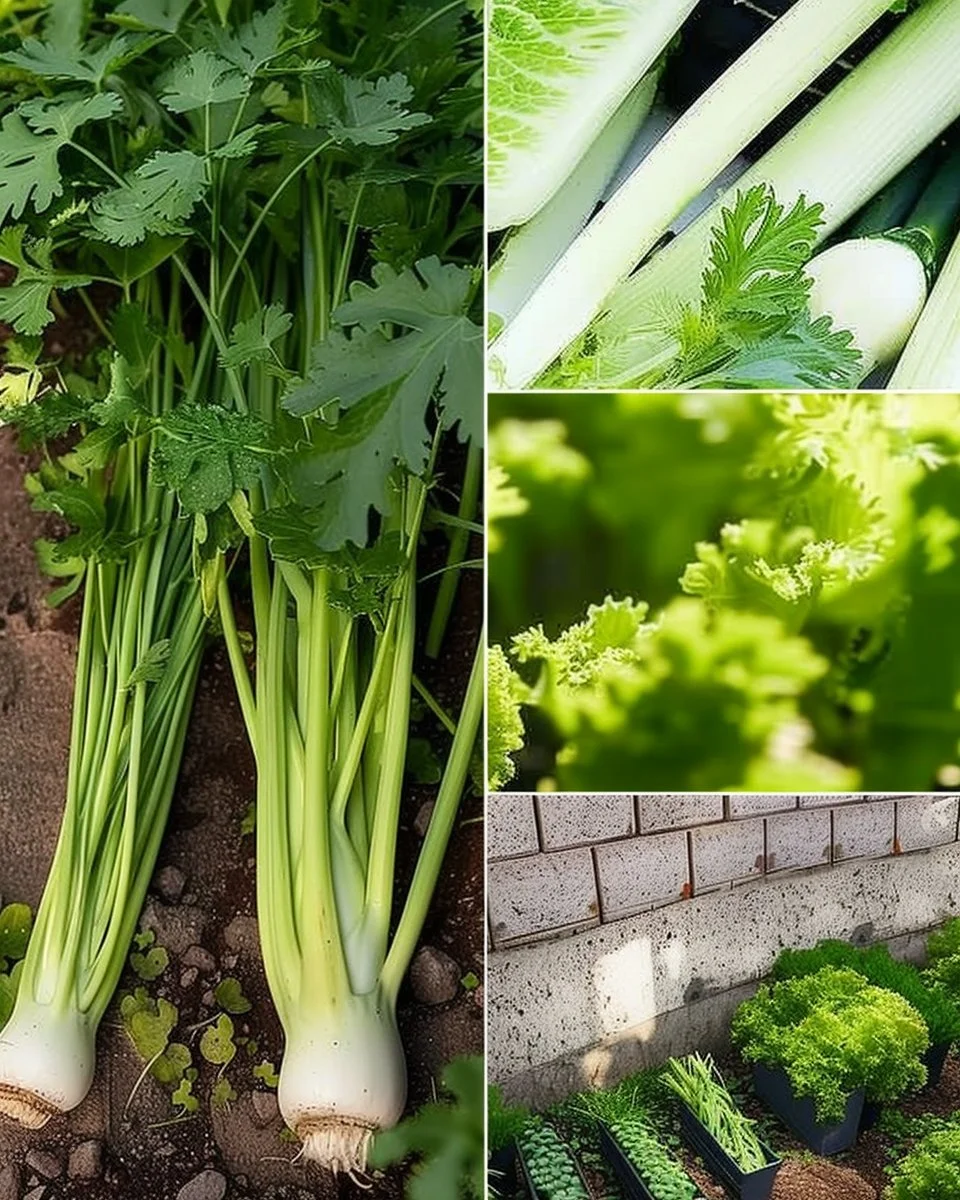
Introduction
Have you ever thought about planting vegetables that can come back year after year, providing you with fresh produce without the need to replant each season? Imagine stepping into your garden and harvesting vibrant greens, crisp roots, and tasty herbs, all while saving money and effort! This is not just a dream, but a reality with a fascinating group of plants known as perennial vegetables. In this article, we’ll explore Free Food Forever: 20 Vegetables That Regrow Year After Year, giving you the essential knowledge to grow your garden sustainably and enjoy delicious, homegrown food for years to come.
Table of Contents
Understanding Perennial Vegetables
Perennial vegetables are plants that live for more than two years, regrowing from their roots or other structures each season. Unlike annual vegetables that require replanting each year, perennials save you time and effort in your gardening routine.
Benefits of Growing Perennials
One of the biggest advantages of perennial vegetables is that they provide a consistent harvest with minimal effort. They improve soil health, attract beneficial insects, and can even reduce garden labor. Think about spending less time planting seeds and more time enjoying the fruits (or vegetables!) of your labor.
Common Myths About Perennial Vegetables
Despite their benefits, some gardeners hesitate to grow perennials due to misconceptions. Many believe that perennials don’t produce as much food as annuals or that they require more maintenance. In reality, once established, perennials can be incredibly low-maintenance and can yield as much, if not more, than their annual counterparts.
Essential Vegetables That Regrow
Let’s explore some outstanding vegetables that embody the concept of Free Food Forever: 20 Vegetables That Regrow Year After Year.
Leafy Greens
Leafy greens are among the best perennials to start with, providing not just food but also nourishment for the soil.
Spinach
Spinach can regrow from its base if the leaves are trimmed carefully. Just cut the outer leaves, and the plant will continue to produce fresh greens throughout the growing season.
Kale
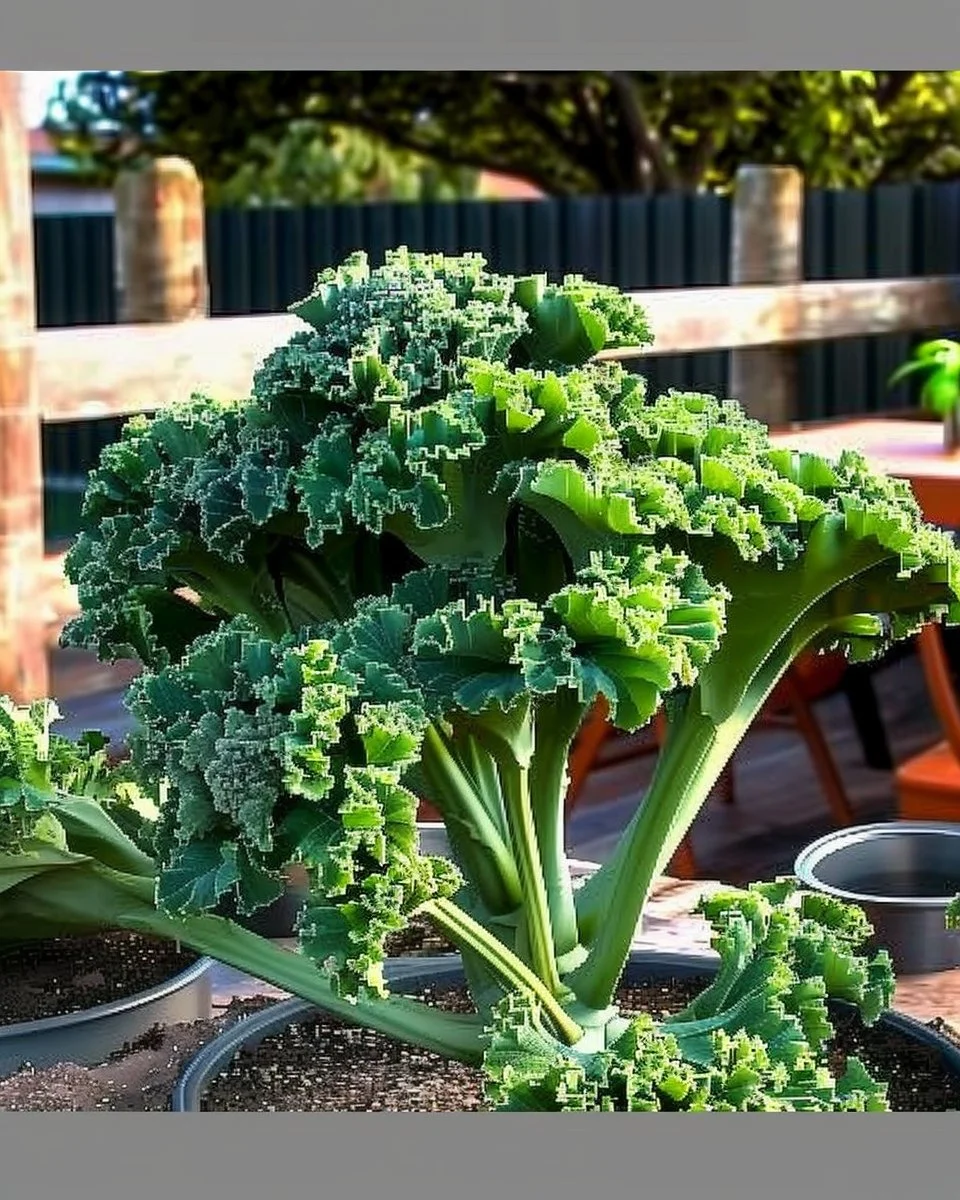
Kale is incredibly resilient and can last for several years. Trim the leaves from the bottom, and it will keep producing new growth from the center.
Root Vegetables
Root vegetables may not be the typical choice for perennial gardening, but there are some that can surprise you.
Carrots
While carrots themselves are not perennial, they can reseed themselves. If you leave a few carrots in the ground, the flowers they produce can lead to new plants the following year.
Beets
Beets are similar to carrots—while they don’t regrow directly, they can also reseed. Let some beets go to seed, and you’ll see new plants sprouting up in your garden next season.
Herbs
Herbs are perfect for perennial planting, as they can thrive throughout the years with proper care.
Chives
Chives come back stronger each year. Their onion-flavored greens are delicious and can add a punch to many dishes.
Mint
Mint is incredibly hardy and can spread quickly. Just plant it in a contained area, and you’ll have a fragrant herb that will regrow relentlessly each year.
How to Care for Perennial Vegetables
Caring for your perennial vegetables can be simpler than maintaining annuals, but they still require attention.
Soil Preparation Tips
Healthy soil is crucial for your perennials. Incorporate compost to enrich the soil and improve drainage. Perennials thrive in well-drained, fertile soil, so it’s beneficial to conduct a soil test to check the pH and nutrient levels.
Watering and Maintenance
While perennials are generally low-maintenance, they require adequate watering, especially in their first year. A deep watering once a week is typically sufficient, but adjust based on your climate and season.
Creating a Perennial Vegetable Garden
Designing your perennial vegetable garden can be an exciting project.
Designing Your Garden Space
Consider using raised beds or dedicated areas in your yard for your perennial vegetables. This allows better organization and can help prevent overcrowding. Plan your garden layout to ensure that taller plants don’t shade the shorter ones.
Companion Planting Strategies
Companion planting can enhance the health and yield of your perennial vegetables. For instance, pairing mint with other crops can repel pests while promoting healthier plants.
Conclusion
Growing perennial vegetables is an empowering way to contribute to a sustainable lifestyle, providing Free Food Forever: 20 Vegetables That Regrow Year After Year. Not only can you enjoy fresh produce with minimal effort, but you also minimize your environmental impact. Remember, establishing a perennial garden can take some time, but the rewards are both delicious and fulfilling. So, why not start planning your own perpetual harvest today?
FAQs
What are perennial vegetables?
Perennial vegetables are plants that live for multiple years and regrow each season, providing continuous harvests without the need for replanting.
Can I grow perennial vegetables in containers?
Yes! Many perennial vegetables can thrive in containers, allowing you to maximize space while enjoying fresh produce.
How long does it take for perennial vegetables to start producing?
It varies by plant type; some may yield within a few months, while others may take a couple of years to establish fully.
Are perennial vegetables more environmentally friendly?
Yes, perennial vegetables often require less soil disturbance and can enhance soil health, making them a more sustainable choice.
Can I grow perennial vegetables in any climate?
Most perennial vegetables have specific climate preferences, so it’s important to choose varieties suited to your local conditions for optimal growth.