
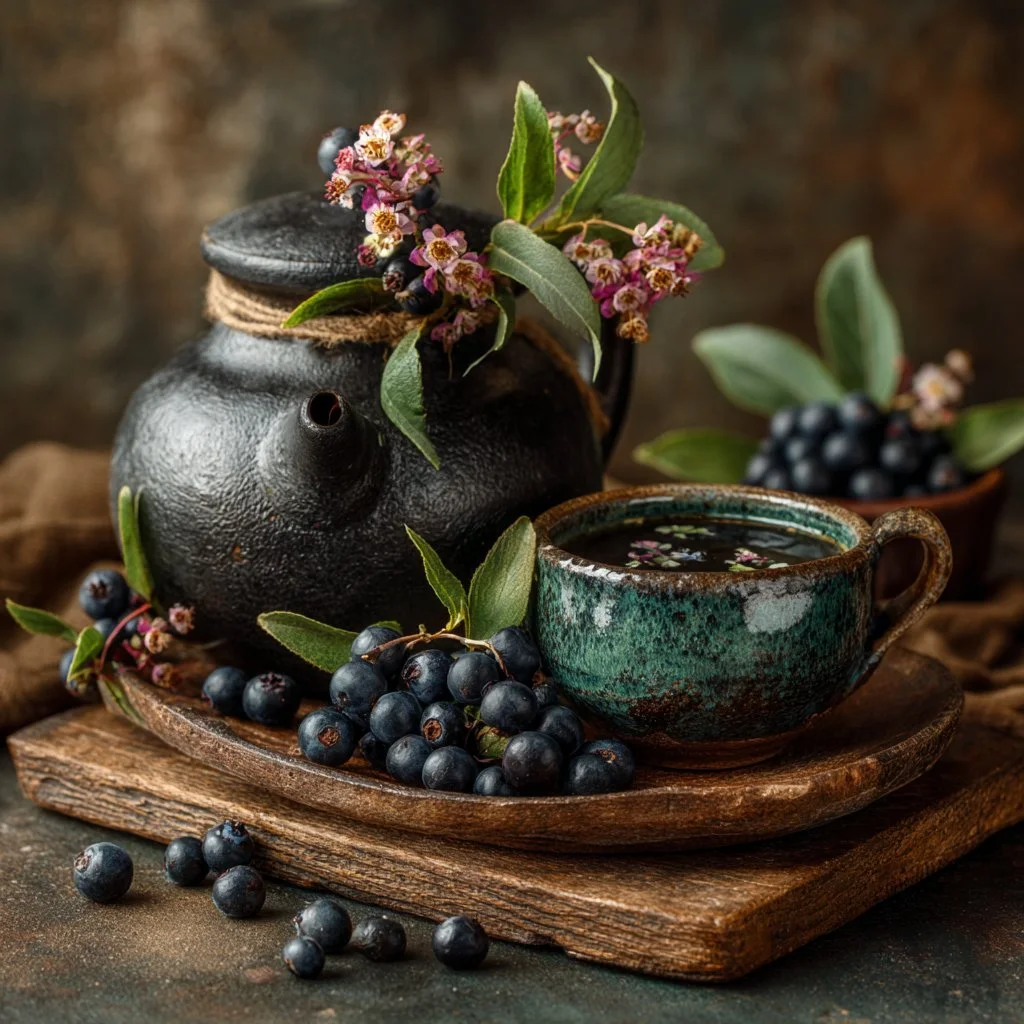
Introduction to Foraging Wild Tea: 15+ Wild Plants to Use for Tea
Have you ever thought about the wonders hiding in your backyard, waiting to be transformed into delicious, aromatic tea? Foraging Wild Tea: 15+ Wild Plants to Use for Tea is a delightful journey into the world of nature’s herbal treasures. This practice not only connects us with the environment but also enriches our life with flavors that are often more vibrant than store-bought options.
Imagine sipping a warm cup of tea from plants you gathered yourself. It’s not just about the drink; it’s about the experience of being one with nature and appreciating the gifts it provides. Foraging opens a door to a plethora of edible wild plants that can be steeped into a comforting brew. Whether you are an experienced herbalist or a curious newcomer, this guide will equip you with everything you need to know for your foraging adventures.
What makes this foraging tea special is not only its unique flavors but also the diverse health benefits these plants offer. From calming chamomile to invigorating mint, there’s an endless variety at your fingertips. You’ll learn to identify different plants, understand their flavors, and ultimately create your own signature wild tea blends. So, grab your basket and let’s dive into the art of foraging for tea!
Table of Contents
Key Benefits of Foraging Wild Tea: 15+ Wild Plants to Use for Tea
Why You’ll Love This Recipe
- It’s a natural and cost-effective way to enjoy herbal tea.
- You’ll gain knowledge about local flora and sustainability.
- Each tea blend can be tailored to your taste preferences.
- Foraging promotes a sense of adventure and connection with nature.
- These wild plants are often packed with nutrients and health benefits.
- The process of gathering provides therapeutic and meditative moments.
What Makes It Stand Out
Foraging Wild Tea is a unique experience because it encourages creativity and personalization. You can choose plants based on your mood or desired health benefits, making it a customizable ritual. Moreover, the act of gathering wild herbs connects you deeply with the seasons, as different plants become available at different times of the year.
This process stands out from regular tea-drinking habits because it uniquely intertwines education with enjoyment. You learn how to identify each plant while appreciating their roles in the ecosystem. Besides, there’s a satisfaction that comes from using your hands to harvest ingredients that have been overlooked, highlighting how something seemingly mundane can become extraordinary in your teacup.
Ingredients for Foraging Wild Tea: 15+ Wild Plants to Use for Tea
Complete Ingredient List with Measurements
- Peppermint leaves (5-7 leaves)
- Chamomile flowers (a handful)
- Dandelion roots (1 tablespoon, chopped)
- Lemon balm leaves (5-7)
- Wild violets (a handful)
- Pine needles (1 tablespoon, chopped)
- Nettles (1 cup, fresh)
- Elderflower (a handful)
- Red clover (a handful)
- Wild rose petals (1/2 cup)
Substitutes and Alternatives
If you have allergies or certain dietary preferences, there are plenty of substitutions you can make. For instance, if you are allergic to peppermint, you can use lemon balm or sage instead. If you have difficulty finding elderflower, consider substituting it with hibiscus for a tart flavor.
Your foraging experience can also be adjusted based on the season. In winter, evergreen needles can be a great substitute for fresh herbs, providing a warming element to your tea. Always ensure that the plants you choose for the substitutions maintain the areas’ local biodiversity.
How to Make Foraging Wild Tea: Step-by-Step Directions
Step 1 – Prepare Ingredients
Begin your foraging adventure by donning gloves and bringing along a basket and scissors. Carefully scout your surroundings for wild plants that are safe to use. Be sure to leave some plants behind to promote healthy growth.
Step 2 – Collect the Plants
Gently harvest leaves, flowers, and roots you plan to include in your tea. Make sure to rinse them under cold water to remove any dirt or insects. Place the cleaned ingredients in your basket or a breathable cloth.
Step 3 – Dry the Ingredients (Optional)
If you wish to store your foraged tea ingredients for later use, consider drying them. Arrange the leaves and flowers on a clean, dry surface away from direct sunlight. This will help preserve their flavors and nutrients.
Step 4 – Boil Water
To begin your tea, fill a kettle or pot with fresh water and bring it to a boil. It’s important to use filtered water for the best flavor.
Step 5 – Steep the Tea
Once the water has boiled, add your freshly foraged ingredients to a teapot or infuser. Pour the hot water over the herbs and let it steep for 5-10 minutes, depending on your flavor preference.
Step 6 – Strain the Leaves
After steeping, strain the tea to remove any solid plant parts. Use a fine mesh strainer or a tea infuser to ensure a smooth drink.
Step 7 – Flavor Adjustments
Taste your tea and make any additional adjustments. You can add natural sweeteners like honey or maple syrup if desired, or even a squeeze of lemon for added zest.
Step 8 – Enjoy!
Pour your homemade Foraging Wild Tea into your favorite mug, relax, and savor the moment. Enjoy the unique flavors and the pride of having gathered each ingredient yourself.
Step 9 – Store Leftovers
If you have leftover tea, cool it down to room temperature and store it in a sealed jar inside the refrigerator for up to three days.
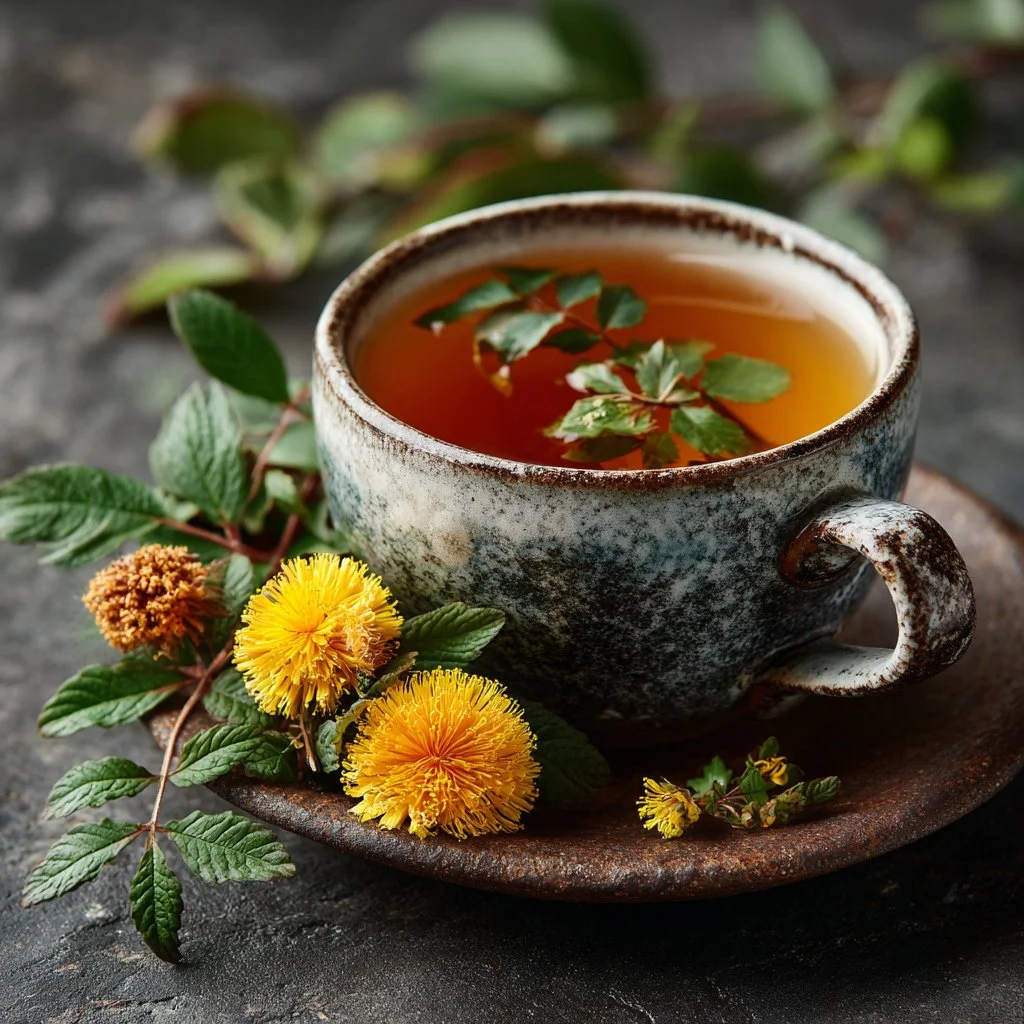
Serving Suggestions for Foraging Wild Tea: 15+ Wild Plants to Use for Tea
Best Occasions to Serve This Dish
Foraging Wild Tea can be enjoyed during quiet mornings to start your day, or in the evening as a relaxing way to wind down. It’s perfect for gatherings with friends or as part of a picnic in nature. The simple act of brewing this tea can also become a ritual to share with loved ones.
What to Serve With It
Pair your tea with light snacks like fresh fruit, nut butter on whole-grain toast, or herbal crackers. For a heartier option, consider serving it alongside a light salad or cheese platter. The possibilities are endless, making it a wonderfully versatile accompaniment.
How to Store Foraging Wild Tea: 15+ Wild Plants to Use for Tea Properly
Best Storage Practices
If you have extra brewed tea, allow it to cool and store it in an airtight container in the refrigerator. Fresh foraged plants can be stored in a breathable bag in the fridge for a few days until you’re ready to use them.
Reheating and Freezing Tips
To reheat your tea, simply warm it gently on the stove or microwave. Avoid boiling it, as this may alter the flavors. Freezing brewed tea is not recommended as it can change the texture, but you can freeze dried ingredients in a ziplock bag, maintaining their flavor and extending their shelf life.
Tips & Tricks for Foraging Wild Tea: 15+ Wild Plants to Use for Tea
Mistakes to Avoid
- Foraging without proper identification: Always be sure of what you’re picking. Research plants beforehand.
- Over-harvesting: Leave enough plants in their habitat for future growth.
- Using treated plants: Avoid areas sprayed with pesticides or chemicals.
- Not washing your ingredients thoroughly: Clean everything to avoid dirt and bugs.
- Ignoring safety: Always wear gloves when necessary, and be aware of any allergies.
Extra Tips for Better Results
To enhance the flavor of your Foraging Wild Tea, consider blending multiple herbs. For example, combining citrusy lemon balm with refreshing peppermint creates a delightful balance. Experiment with proportions to find flavors you enjoy most.
Recipe Variations of Foraging Wild Tea: 15+ Wild Plants to Use for Tea
Creative Twists
- Elderflower Citrus Blend: Add a splash of orange or lemon juice to your elderflower tea for a bright, refreshing twist.
- Spicy Ginger Infusion: Combine nettles with fresh ginger for a spicy kick that warms the soul.
- Floral Medley: Mix wild violets and rose petals for a beautifully fragrant beverage that’s perfect for special occasions.
Dietary Adjustments
For a vegan-friendly option, simply ensure that any sweeteners used are plant-based. Those avoiding caffeine can select naturally caffeine-free herbs, making this wild tea available for all.
Conclusion about Foraging Wild Tea: 15+ Wild Plants to Use for Tea
In conclusion, Foraging Wild Tea offers an enriching experience beyond just a beverage. By connecting with nature and learning about local flora, each cup tells a story of the world around us. The adventure of gathering your own ingredients and crafting unique blends encourages mindfulness and creativity in the kitchen. Plus, the delightful flavors and health benefits of foraged plants provide a wholesome, homemade alternative to conventional tea. So, don’t hesitate—grab your basket, explore your surroundings, and enjoy the therapeutic process of foraging wild tea.
FAQs about Foraging Wild Tea: 15+ Wild Plants to Use for Tea
What plants are safe for foraging?
Many plants are safe for foraging, including dandelion, nettles, and clover. Researching local flora is crucial for safe harvesting.
How do I identify wild herbs?
Use a reliable plant identification guide or app. Join local foraging groups for hands-on learning experiences.
Can I dry my foraged herbs?
Yes, drying herbs is an excellent way to preserve them for future use. Keep them in airtight containers in a cool, dark place.
How long can I store foraged tea?
Brewed tea can be stored in the fridge for 3 days; dried herbs can last several months if stored properly.
What if I can’t find certain plants?
Substitutes can be used as mentioned in the article. Experiment with available local plants to find pleasant combinations.
Is it safe to forage in urban areas?
Foraging in urban environments can be safe, but be cautious of pollution and pesticide use. Stick to parks or less trafficked areas.
Can I make foraging tea ahead of time?
Yes, you can make foraging tea ahead of time and store it in the fridge for a quick, refreshing drink later.
How do I know if my foraged tea is good?
Always ensure the plants are free of mold or decay. If the tea smells pleasant and is visually appealing, it’s likely fine to drink.
Can I forage year-round?
Seasonality affects what you can forage. Some plants are available year-round, while others are seasonal, so adjust your foraging accordingly.
Do I need any special equipment?
You’ll need a basket or bag for collecting and scissors for harvesting. Optional items include gloves and a field guide for identification.