
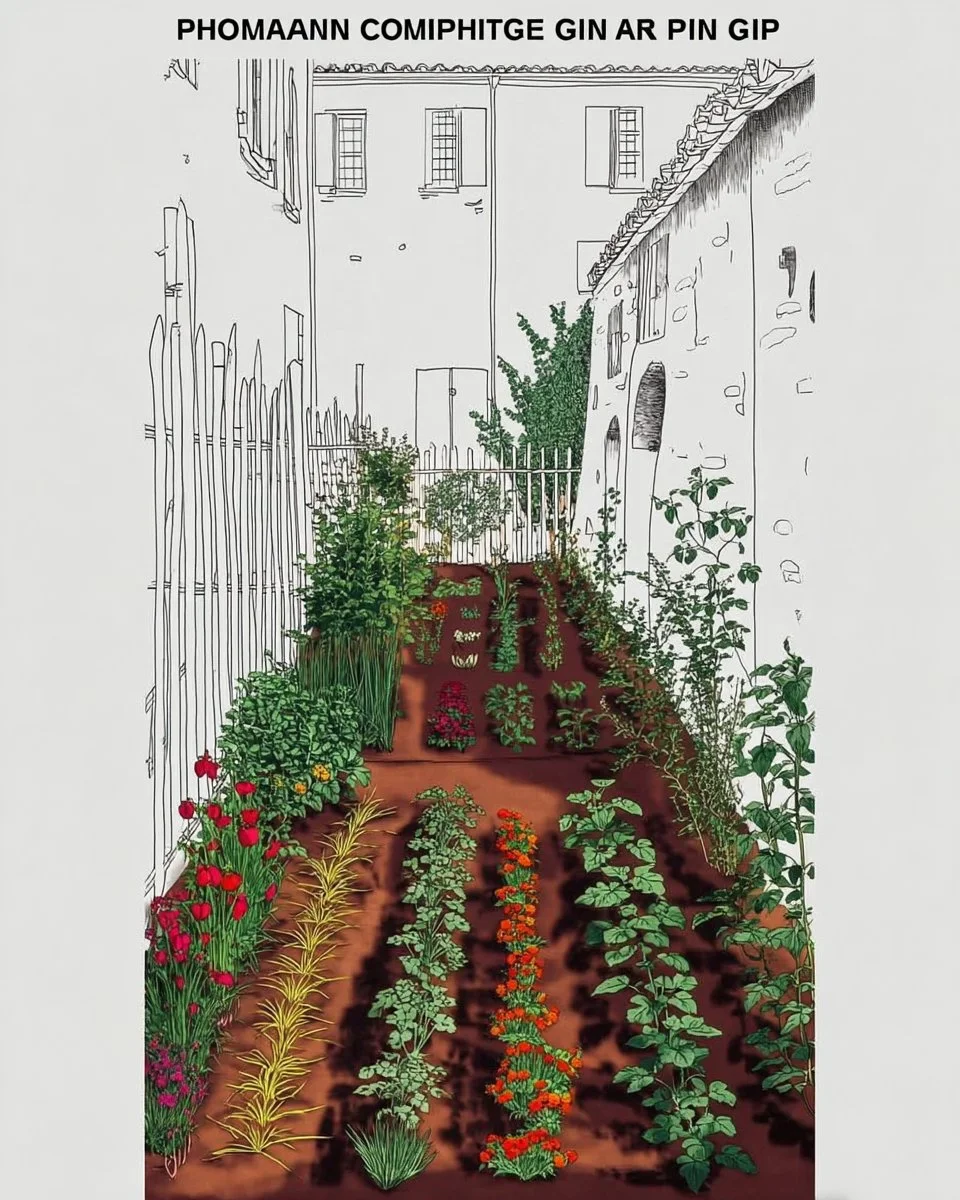
Have you ever wandered through a garden, admiring the lush plants and vibrant colors? It’s easy to get captivated by the beauty, but did you know that certain plants thrive better when grown together? That’s where companion planting comes into play, and it’s not just an old gardener’s tale. This method can dramatically transform your gardening experience, boosting yields and keeping pests at bay. In this Essential Companion Planting Guide: Free Vegetable Chart & Tips, you’ll discover how to make the most of your garden by pairing plants effectively, plus some handy charts and tips to get you started.
Table of Contents
Importance of Companion Planting
Companion planting isn’t simply about aesthetics; it’s about creating a resilient ecosystem within your garden. The relationships cultivated through companion planting can provide vital benefits, and understanding these relationships is fundamental for any gardener.
Benefits for Your Garden
Companion planting can enhance crop yields, deter pests, and boost the growth of your plants. For instance, planting marigolds alongside tomatoes can act as a natural pest repellent. Additionally, some plants can even improve the flavor of others—have you ever tasted a sweet basil-lemonade blend, straight from your garden?
Environmental Impact
By reducing the need for chemicals and pesticides, companion planting promotes a healthier environment. It also benefits pollinators by ensuring that various flowering plants coexist, providing continuous resources for them throughout the growing season.
How Companion Planting Works
To grasp the full potential of companion planting, it’s essential to understand the underlying science. Plants communicate, share nutrients, and even defend each other against pests.
The Science Behind It
Companion plants can release certain chemicals into the soil or the air that promote growth. For example, legumes, such as beans, have the unique ability to fix nitrogen in the soil, enriching it and benefiting neighboring plants.
Plant Interactions
Some plants actively repel pests. Onions, for example, produce a strong scent that can deter aphids and other pests when planted near vulnerable crops like carrots. Understanding these interactions can help you design an effective planting layout.
Essential Companion Planting Combinations
Creating a beautiful and productive garden starts with knowing which plants play well together.
Vegetables That Love Each Other
- Tomatoes and Basil: This classic duo is known for enhancing the flavor of each other and repelling harmful insects.
- Carrots and Onions: When planted together, they can deter carrot flies while helping each other thrive.
Herbs and Their Best Friends
Herbs are fantastic companions!
- Rosemary pairs well with cabbage: Repelling pests while enhancing each other’s growth.
- Chives make a great friend to tomatoes, boosting their health and flavor.
Flowers in the Mix
Don’t forget about flowers!
- Nasturtiums planted with cucumbers can draw pests away from your vegetables, serving as a sacrificial plant.
- Sunflowers provide natural support for climbing beans, creating a beautiful garden functionally.
Tips for Successful Companion Planting
Now that you know the power of plants teaming up, let’s look at how to set them up for success.
Preparing Your Garden
Plan out your garden carefully. Sketch a layout or use a garden planning app to visualize where each plant will go. Group companion plants together in a way that maximizes their benefits.
Seasonal Considerations
Timing is critical! Some plants thrive in the cooler months, while others love the heat. Pay attention to the growing seasons of each plant type to avoid competition and ensure they flourish together.
Common Mistakes to Avoid
While companion planting can offer incredible benefits, it’s essential to be aware of common pitfalls to avoid.
Overcrowding Plants
Companion planting doesn’t mean planting every compatible plant together in a tiny space. Ensure there’s enough room for each plant to grow to its full potential.
Ignoring Growth Rates
Different plants have varied growth rates. Make sure you’re mindful of this; for example, if you plant fast-growing broccoli next to slow-growing carrots, the broccoli can easily overshadow the carrots.
Resources for Further Learning
Ready to dive deeper into companion planting? There are plenty of resources to guide you.
Recommended Reading
Books like “Carrots Love Tomatoes” provide excellent insights and additional pairings to explore.
Free Vegetable Chart Overview
Utilize the free vegetable chart included in this guide. It’s a handy reference that highlights effective pairings and tips for various vegetables!
Conclusion
Incorporating companion planting into your gardening routine can significantly enhance your experience and yield. From creating nurturing ecosystems to boosting your plants’ health and flavor, there’s so much to gain. Remember the Essential Companion Planting Guide: Free Vegetable Chart & Tips as your go-to reference and experiment with combinations that suit your garden best. With a little planning and observation, you can enjoy the vibrant fruits of your labor—both literally and figuratively!
FAQs
What is companion planting?
Companion planting involves growing different plants together for mutual benefits, such as pest deterrence, improved growth, and flavor enhancement.
Can I plant many different types of plants together?
Yes, but it’s essential to do your research on which plants work well together to avoid competition and overcrowding.
Are there any plants that should not be planted together?
Absolutely! Some plants can inhibit each other’s growth. For instance, plants in the nightshade family, like tomatoes and potatoes, are not ideal companions.
How do I choose companion plants for my garden?
Consider factors like growth rates, nutrient needs, and pests. You can refer to companion planting charts for guidance.
Can companion planting eliminate the need for pesticides?
While companion planting can reduce pest populations, it may not completely eliminate the need for pesticides, especially in severe infestations. However, it can significantly lower reliance on chemicals.