
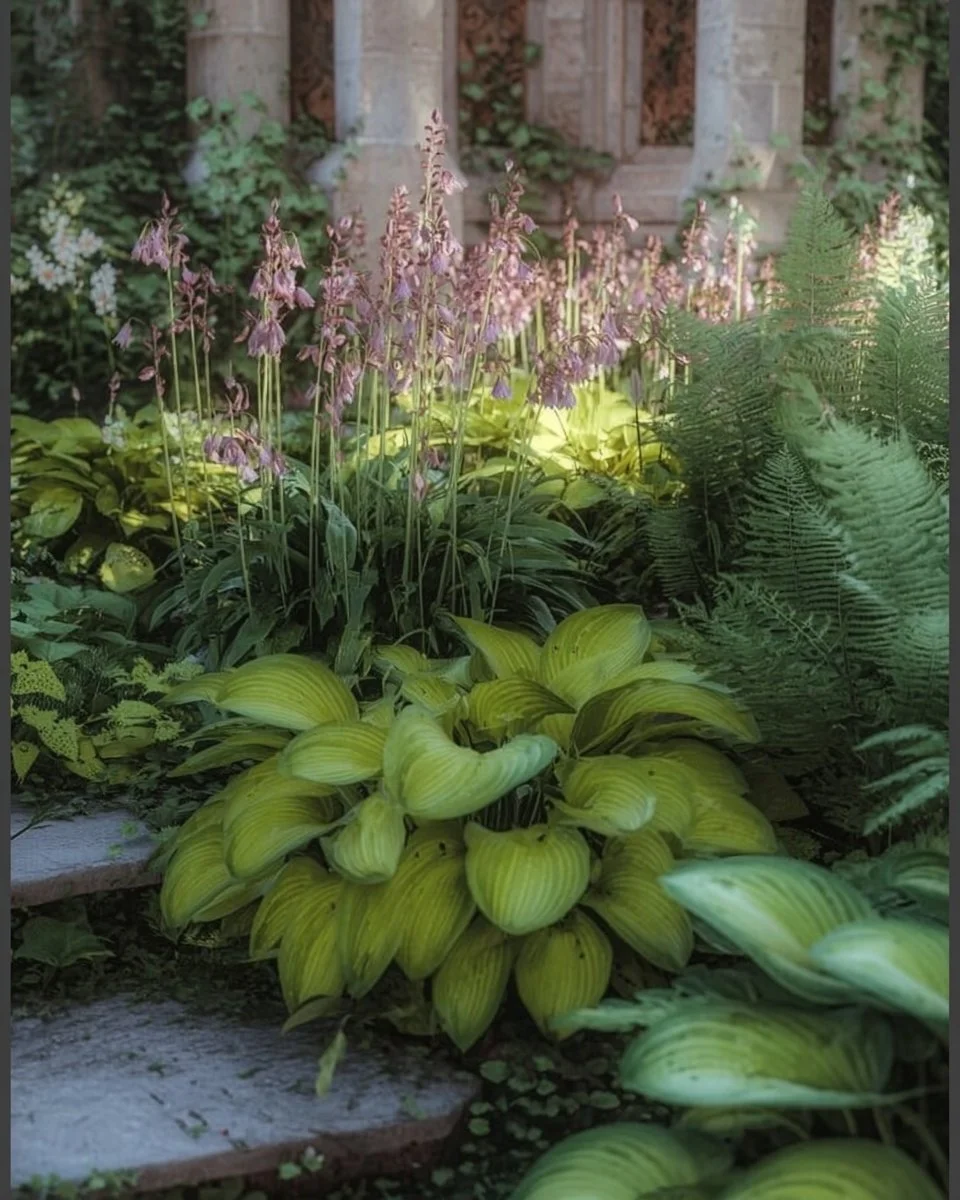
Creating a beautiful garden in the shade can seem daunting, but it’s more achievable than you might think! Many gardeners feel discouraged when faced with the challenge of low-light areas, often defaulting to a few uninspiring options. However, with the right techniques and plant choices, those shaded corners of your yard can transform into a serene, lush retreat. In this guide, you’ll discover Easy Shade Garden Ideas with Affordable Perennials that won’t break the bank. You’ll learn how to choose the right plants, design your layout, and care for your shade garden to keep it vibrant year after year.
A few years back, I struggled with a dark corner of my garden that no sunbeam seemed to touch. I felt frustrated, envisioning what it could be, but unsure how to start. Eventually, I decided to dive into researching affordable perennials that thrive in shade. With a few simple changes, that once-dreary spot became a delightful escape, filled with color and life. I’m excited to share these ideas with you so you can create your own dreamy shade haven!
Table of Contents
Choosing the Right Affordable Perennials
Popular Perennials for Shady Areas
When it comes to shade, selecting the right plants is key to creating a successful garden. Affordable perennials such as hostas, ferns, and astilbes are perfect choices to add variety and color. Hostas are particularly well-loved for their diverse leaf shapes and hues, from deep greens to stunning variegated types. Ferns add a lovely texture, creating depth within your garden, while astilbes delight with their feathery flowers.
Budget-Friendly Planting Tips
Shopping for perennials doesn’t have to be expensive. Look for local plant sales or garden swaps in your community. Many gardeners are willing to share divisions from their established plants, making it an excellent way to acquire new varieties without cost. Additionally, consider purchasing smaller plants rather than fully grown ones; with a little patience, they’ll soon fill out your garden beautifully.
Designing Your Easy Shade Garden
Layout Ideas for Maximum Impact
The design of your garden can be incredibly impactful, even in a shaded area. Start with a layout that incorporates varying heights. Taller plants, like astilbes or some varieties of ferns, can anchor the back of your garden bed, while shorter plants, like groundcovers or smaller hostas, can line the front. This tiered effect adds visual interest.
Don’t forget about creating pathways or clusters of seating to enjoy the beauty of your garden. You can use stones, gravel, or mulch to create a cozy path leading to a charming nook where you can unwind with a book.
Incorporating Hardscaping Elements
Hardscaping refers to non-plant elements in your garden, such as paths, walls, and decorative features. Adding a rustic bench or some garden art can enhance your shady oasis. Consider using pavers or bricks to delineate walking areas without obstructing growth. A pebble pathway through your shade garden invites exploration and can easily be created with materials from your local home improvement store.
Care and Maintenance of a Shade Garden
Watering and Soil Requirements
Even the most shade-tolerant plants require attention to their water needs. Regularly check the soil’s moisture; it should be well-draining but retain some moisture, especially during hot conditions. Using mulch can help conserve moisture and suppress weeds, which is essential in nurturing your garden.
Managing Pests in Shade Gardens
While shade can deter some pests, it’s not pest-free. Aphids and snails can appear, and in shaded moisture-rich environments, you might also encounter slugs. Hand-picking and using organic deterrents can help manage these nuisances effectively. Consider companion planting as well – a mix of perennials and herbs can create a diverse ecosystem, making it harder for pests to thrive.
Seasonal Color in Shade
Flowers that Bloom at Different Times
One common worry about shade gardens is the perception of being dull and lifeless. However, by choosing perennials that bloom at various times throughout the year, you can continuously enjoy color. For early blooms, consider snowdrops or bleeding hearts, while summer flowers like hostas can add vibrant hues.
Foliage Varieties to Consider
Remember, your garden doesn’t need to rely solely on flowers for aesthetics! Different foliage colors and shapes can provide visual richness. Plants like heuchera come in deep purples, greens, and even orange tones, contributing to a stunning display even when flowers aren’t in bloom.
Creative Uses for Shade Gardens
Creating Cozy Spaces
Your shade garden is an ideal spot for creating a cozy retreat. A hammock strung between two trees, or a couple of lounge chairs nestled among the plants can invite relaxation. Surround the seating area with fragrant herbs or flowering plants to engage the senses. Perhaps a small fountain can add the soothing sound of trickling water, further enhancing the ambiance.
Using Shade for Edible Planting
Did you know that not all vegetables require full sun? Certain plants like leafy greens, radishes, and even some varieties of berries can thrive in partial shade. This allows you to take advantage of that otherwise underused space, blending increases in food production with your aesthetic goals.
Conclusion
Transforming a shaded area into a vibrant garden can definitely be achieved with the right approach and planning. With the Easy Shade Garden Ideas with Affordable Perennials laid out in this guide, you’re well on your way to creating a peaceful retreat that’s both beautiful and budget-friendly. Remember to choose plants that complement each other, design your space thoughtfully, and maintain your garden’s health. Before you know it, you’ll have a flourishing shade garden that brings joy to your everyday life.
FAQs
What types of perennials are best for shady areas?
Plants such as hostas, ferns, astilbes, and heucheras are excellent choices for shady areas, as they thrive with limited sunlight.
How do I make my shade garden more appealing?
Incorporate varying heights and textures, use hardscaping elements like paths or benches, and mix foliage colors to enhance visual interest.
What soil conditions should I aim for in a shade garden?
Aim for well-draining soil that retains some moisture. Adding organic matter can help improve soil quality.
How often should I water my shade garden?
Check the soil regularly; it should be kept moist but not soggy. Watering will depend on your specific climate and rainfall.
Can I grow vegetables in a shaded garden?
Yes, some vegetables like leafy greens, radishes, and certain berry varieties can thrive in partial shade while still producing a good harvest.