
Introduction
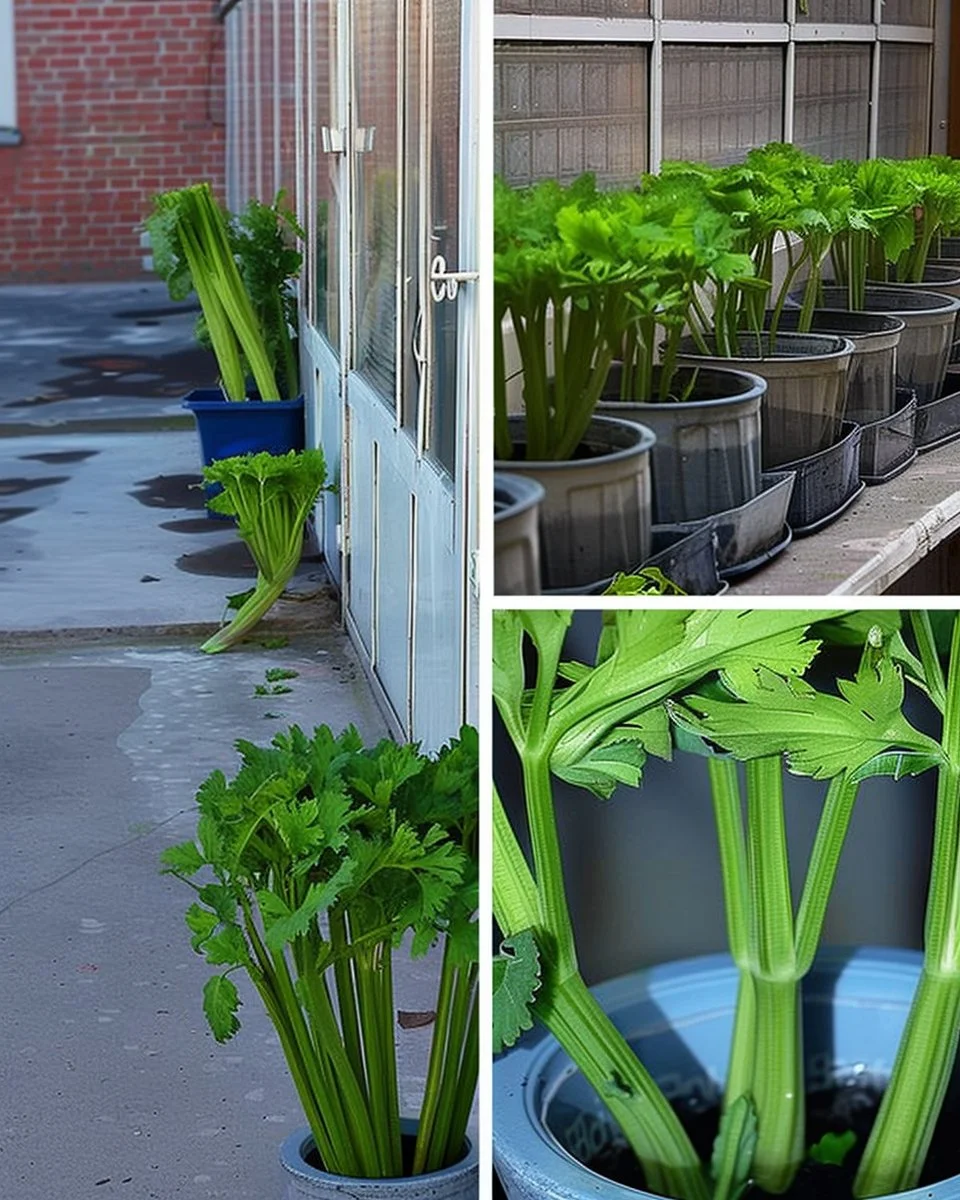
Have you ever found yourself tossing kitchen scraps into the trash without a second thought? Picture this: instead of discarding your leftover celery, you can actually regrow it right on your kitchen counter. Easy Indoor Gardening: Celery Regrowth from Kitchen Scraps is not just a trend; it’s an exciting and sustainable way to bring fresh flavors into your meals while reducing waste. In this article, you’ll discover the simple steps to regrow celery and some practical tips to enhance your indoor gardening experience. Let’s transform those scraps into something wonderful!
Table of Contents
Understanding Celery Regrowth
Regrowing celery from kitchen scraps is incredibly straightforward and can be an enjoyable project for anyone, whether you’re seasoned in gardening or a complete novice. Let’s delve into what you need to know about this engaging process.
What You Need for Successful Regrowth
You won’t need much to get started with your celery regrowth project. Just a celery base (yes, that leftover stump), a shallow dish, and some water are all essential supplies. Using filtered or distilled water will give your celery the healthiest start. Make sure to have a spot in your kitchen that receives adequate sunlight, as celery loves bright areas.
The Ideal Environment for Growth
The best growing environment for celery is bright, indirect sunlight. A south-facing window is perfect, but if that’s not an option, consider using grow lights for those cloudy days. Temperature also matters; celery thrives in cool conditions, ideally around 60°F to 70°F. Keeping things consistently moistened, yet not soggy, ensures your celery has the perfect growing conditions.
Step-by-Step Guide for Regrowing Celery
Starting with your celery regrowth project is not overwhelming if you follow these easy steps!
Choosing the Right Celery
Select fresh, unblemished celery from the store. Look for crisp stalks that are vibrant in color. The base should be intact, as this is crucial for successful regrowth. You can use any variety of celery, but organic options may yield better results since they haven’t been treated with any growth inhibitors.
Preparing for Planting
Once you’ve chosen your celery, slice off the base, leaving about an inch intact. Place this celery base cut-side down in a shallow dish of water. Just make sure the water covers the bottom, while the top remains above water. It may look a bit funny, but trust the process! Change the water every few days to keep things fresh and prevent any odors.
Maintaining Your Celery
Within a week, you should see some green shoots sprouting from the top—how exciting! As your celery grows, you’ll want to transfer it into a pot with soil once roots have developed. Ideally, you want your pot to be at least six inches deep. Continue watering it regularly, ensuring the soil stays moist but not soaked.
Benefits of Regrowing Kitchen Scraps
Why should you invest time in regrowing your kitchen scraps? The benefits extend beyond just having fresh celery on hand.
Environmental Impact
Regrowing kitchen scraps minimizes waste, contributing to a more sustainable lifestyle. Instead of sending food scraps to a landfill, you’re repurposing what you already have. It’s a small step towards reducing your carbon footprint!
Cost Savings
Think about how much a bunch of celery costs these days! By regrowing your own, you save money that can be better spent elsewhere, like on unique herbs to spice up your dishes. The joy of eating something you grew yourself is an added bonus!
Improved Freshness
Store-bought celery often loses its crispness quickly after purchase. Growing your own means you can harvest fresh celery whenever you need it! Plus, you can control the growth process, ensuring it’s pesticide-free or grown according to your own standards.
Tips for Easy Indoor Gardening
To level up your indoor gardening skills, consider these helpful tips.
Best Practices for Indoor Plants
Rotate your celery every week to ensure even light distribution and to prevent leggy growth. Keeping an eye on humidity is also essential—if your home seems dry, particularly in winter, consider using a humidifier or placing water trays near your plants. This can help create an ideal environment.
Common Mistakes to Avoid
Don’t overwater—it’s a common beginner’s mistake. Celery loves moisture, but too much can lead to root rot. Keep an eye on your celery, and let it guide you! If leaves turn yellow, it might be a sign you’re watering too much or not getting enough light.
Creative Ways to Use Regrown Celery
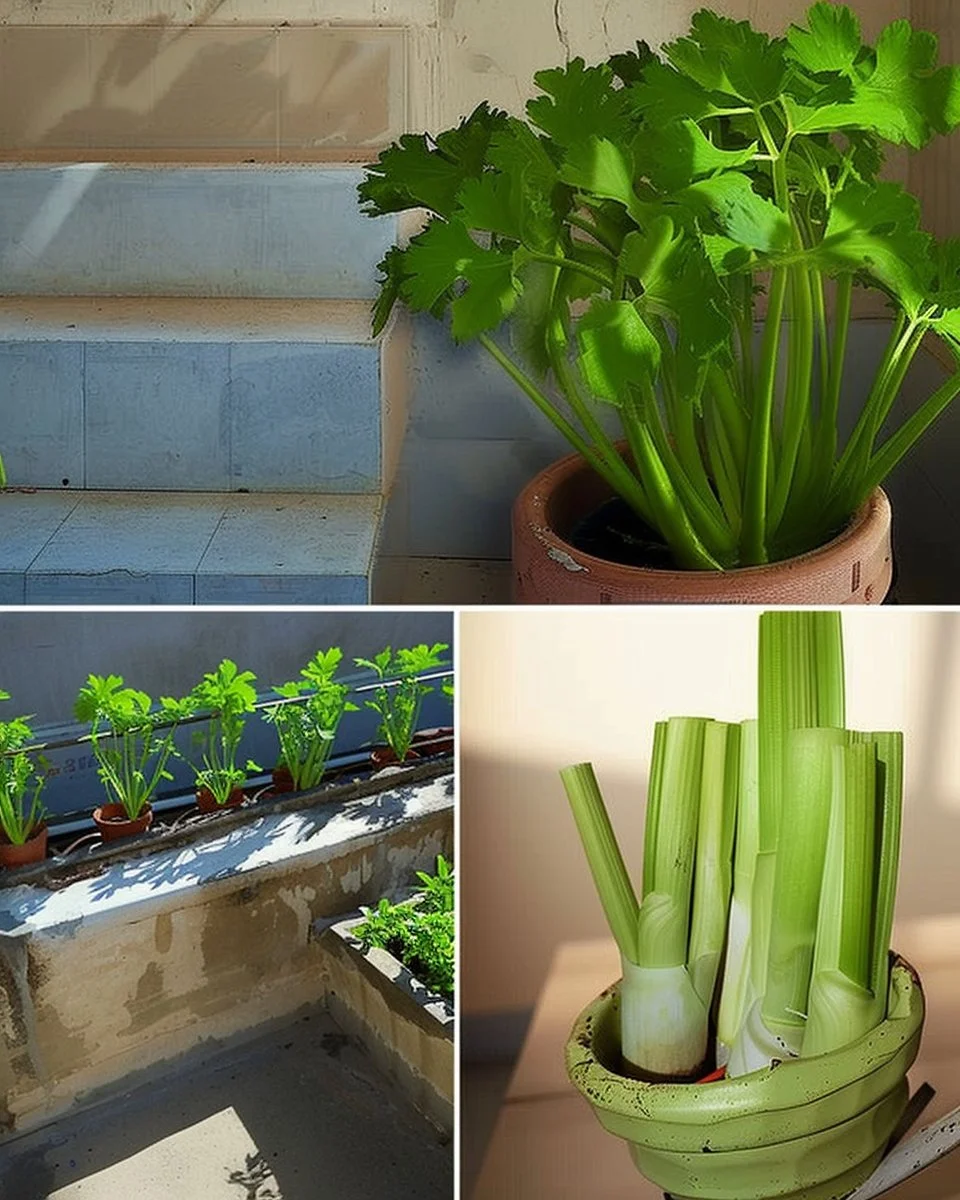
The best part of regrowing celery is the versatility it brings to your kitchen.
Delicious Recipes to Try
Once your celery is thriving, you can incorporate it into various dishes. Think hearty soups, refreshing salads, or even a crunchy snack with some peanut butter. The taste and texture of freshly grown celery are unparalleled!
Other Kitchen Scraps to Regrow
If you’re enjoying this process, why stop at celery? You can also regrow green onions, lettuce, and herbs like basil or mint—each offering unique flavors and uses in your cooking. It’s an experiment waiting to happen!
Conclusion
Regrowing celery from kitchen scraps is just one of the fantastic discoveries awaiting you in the world of easy indoor gardening. Not only do you cut down on waste, but you also save money while enjoying fresh produce right at your fingertips. Remember, gardening doesn’t require a green thumb; it requires curiosity, a little patience, and a willingness to learn. So why not take that leap and start your indoor garden today with Easy Indoor Gardening: Celery Regrowth from Kitchen Scraps? Your kitchen—and your taste buds—will thank you!
FAQs
Can any type of celery be regrown?
Yes, most types of celery can be regrown from scraps, but organic celery is preferred for better results.
How long does it take to see growth?
You can expect to see sprouts within a week, and they will generally be ready for potting in about 2-3 weeks.
What kind of soil should I use for regrown celery?
Use well-draining potting soil that retains some moisture to give your celery the best chance to thrive.
Can I grow celery outside as well?
Absolutely! Outdoor gardening can provide more space and sunlight, which is ideal for growing larger quantities of celery.
How can I ensure my celery grows straight and tall?
Provide adequate light and rotate the plant regularly to encourage even growth. Having good airflow will also help prevent it from getting leggy.