
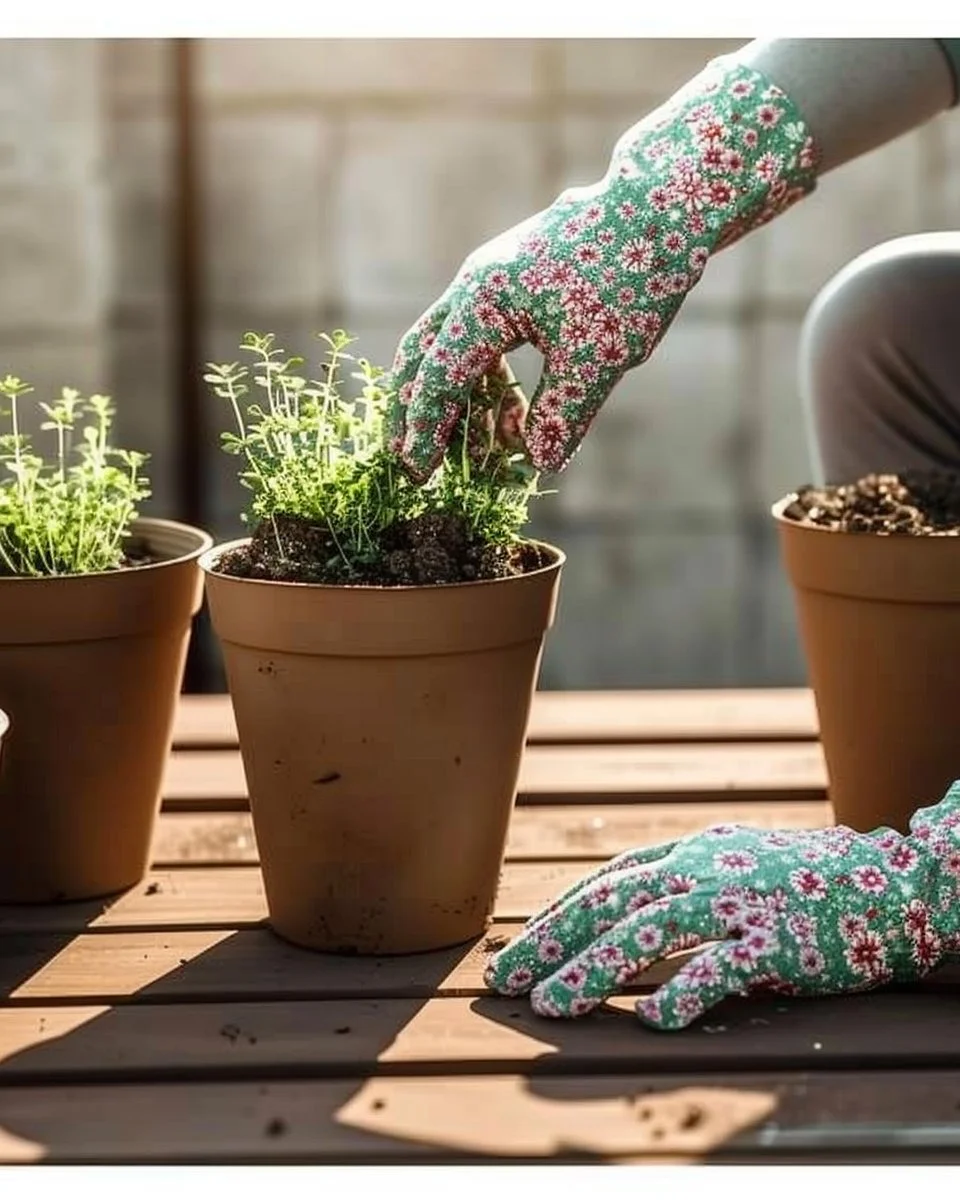
Introduction
Starting a garden is one of those small life changes that pays back in fresh air, tasty snacks, and a steady stream of small victories. I still remember my first season—my tomato seedlings looked promising until I forgot to harden them off and one unexpected cold night left me heartbroken. That stumble taught me a lot, and that’s exactly what this guide is for: friendly, practical advice so you skip the obvious mistakes and enjoy growing things.
In this article you’ll find clear, practical Easy Gardening Tips for Beginners that cover planning, soil, plant selection, planting techniques, watering, fertilizing, and simple pest control. If you want a quick checklist to keep beside your watering can, you’ll get that too. For a compact list of extra ideas and seasonal reminders, check out 21 helpful beginner gardening tips which I often recommend to readers looking for a short, useful companion to what follows.
Table of Contents
Planning Your Garden
A little planning saves a lot of sweat later. Before you dig, spend an hour observing the space. Where does sun hit most of the day? Where does water pool after rain? How close are you to a water source? These simple observations guide almost every decision that follows.
Assessing Your Space
Think small and realistic. A sunny windowsill, a few containers on a balcony, or a raised bed are all valid places to start. Measure the area and note which parts get full sun (6+ hours), partial sun (3–6 hours), or shade. Most vegetables and many herbs need full sun, while leafy greens tolerate partial shade.
Have you ever wondered how much space tomatoes need? One determinate tomato plant does well in a 5–7 gallon container; indeterminate types prefer larger space or a garden bed. Sketching a quick map of your available space helps you plan spacing so plants aren’t competing for light and nutrients.
Setting Goals
Ask what success looks like for you. Do you want a no-fuss pollinator patch, a box of fresh salad greens all summer, or a mix of vegetables and cut flowers? Setting a single, clear goal keeps choices simple. For example, if your goal is “fresh salad greens weekly,” choose fast-growing lettuces and arugula harvested as baby leaves.
Write down 2–3 goals and let them guide plant selection, layout, and the amount of time you’ll commit. Goals make it easier to say no to attractive but high-maintenance options.
Creating a Simple Layout
Use squares or circles to represent beds and containers on your sketch. Group plants with similar needs together: tomatoes near basil and parsley, leafy greens in shadier corners. Leave paths or access space so you can reach plants without stepping on beds; compact gardeners often use 18–24 inch access paths.
Start with one small bed or a few containers. It’s better to learn deeply with a small patch than to be overwhelmed by an entire yard.
Soil Basics
Soil is the single biggest factor in garden success. Good soil is airy, drains well, and holds moisture—think crumbly, not hard or clumpy. You don’t need a degree in agronomy, but a few tests and tweaks pay off quickly.
Testing and Reading Soil Results
Pick up a simple soil test kit or send a sample to a local extension service. A basic test will tell you pH and major nutrient levels. Most vegetables prefer slightly acidic to neutral pH (6.0–7.0). If your pH is off, lime or sulfur can adjust it over time.
Even without a formal test, dig a handful of soil: does it form a loose ball that crumbles (good), or a hard block (compacted or heavy clay)? Smell it—healthy soil often has a fresh, earthy scent.
Improving Soil Texture
For heavy clay, add coarse sand sparingly and lots of organic matter—compost, leaf mold, or well-rotted manure—to improve drainage and structure. For sandy soils, organic matter helps retain water and nutrients.
If you use raised beds, fill them with a mix of topsoil, compost, and a component like coconut coir or peat alternative for moisture retention. A typical beginner mix is 50% topsoil, 40% compost, 10% aeration material.
Feeding Soil With Organic Matter
Compost is the gardener’s secret weapon. Add a 1–2 inch layer of finished compost as a top dressing each spring and fall. Worm castings are an excellent boost for containers and seedlings. Organic mulches (straw, shredded leaves) slowly feed soil as they break down.
Rotate crops and plant cover crops in off-seasons if you have the space; legumes like clover or beans can add nitrogen naturally.
Choosing Plants That Thrive
Pick plants that match your climate, space, and time. Resist impulse buys at the nursery—plants that look great may not be right for your conditions.
Picking Plants for Your Zone
Know your USDA hardiness zone or the equivalent for your region. Perennials are chosen based on hardiness, but many veggies are annuals and are grown in planting windows tailored to your climate. Seed packet directions give planting dates for your zone—use them.
Start with varieties labeled “easy,” “disease resistant,” or “compact.” These selections are chosen by breeders to reduce beginner frustration.
Easy Vegetables and Herbs
Some terrific beginner-friendly edibles:
- Salad greens (lettuce, spinach, arugula) — fast and forgiving.
- Radishes — ready in a month.
- Bush beans — low-maintenance and productive.
- Zucchini — prolific for containers and beds.
- Herbs: basil, chives, mint (in containers to contain spread), parsley.
Plant a few of these for quick wins and confidence boosts.
Low-Maintenance Flowers
If you want blooms, try daylilies, coneflowers, black-eyed Susans, and sedum—perennials that tolerate varied conditions and attract pollinators. Annuals like marigolds and zinnias are easy and provide instant color.
Mix edibles with flowers to make the garden both useful and pretty.
Planting And Daily Care
Planting isn’t complicated, but a few techniques make a huge difference in plant health and longevity.
Proper Planting Techniques
Follow spacing recommendations on seed packets or plant tags. Space matters for airflow and disease prevention. When planting transplants, dig a hole slightly larger than the root ball, tease roots if they’re pot-bound, and set the plant at the same soil level it had in the pot—don’t bury the stem too deep unless the species benefits (like tomatoes, which root along buried stems).
Water gently after planting and again in the evening if the day is hot.
Mulching and Weeding
A 2–3 inch layer of organic mulch (straw, wood chips, shredded leaves) conserves moisture, suppresses weeds, and moderates soil temperature. Keep mulch a few inches away from stems to prevent rot.
Weeding regularly is easier than letting weeds take over. Pull weeds when soil is damp—they come out with their roots more easily. Mulch reduces the number of times you need to weed.
Pruning Basics
Most annuals and many perennials need little pruning. For vegetables, remove old, yellowing leaves and prune suckers on indeterminate tomatoes if you want more control over size. For small shrubs and roses, prune for shape and to remove dead wood in early spring.
Prune with clean, sharp tools; disinfect blades between plants if disease is a concern.
Watering And Fertilizing Smartly
Water rules are simple: deep and infrequent is usually better than shallow and frequent. Fertilizer should fill gaps, not replace good soil.
When To Water
Check soil moisture by sticking a finger 1–2 inches into the soil. If it’s dry at that depth, it’s time. Morning watering is best—plants dry during the day and are less likely to develop fungal issues.
Containers dry out faster than beds. Some container gardeners water daily in hot weather; larger pots retain moisture longer.
How Much To Water
Aim for 1–1.5 inches of water per week for beds (from rain plus irrigation). Use a rain gauge and adjust. When you water, soak the root zone thoroughly so roots grow deeper, improving drought resilience.
Drip irrigation and soaker hoses deliver water efficiently to roots and reduce evaporation compared with overhead sprinklers.
Simple Fertilizer Choices
If your soil is healthy with compost, you may need minimal fertilizer. For a straightforward approach, use a balanced organic granular fertilizer at planting, then side-dress with compost mid-season. Liquid seaweed or fish emulsion can be a gentle boost for container plants during growth spurts.
Avoid over-fertilizing—lush foliage with few flowers or fruit usually signals excess nitrogen.
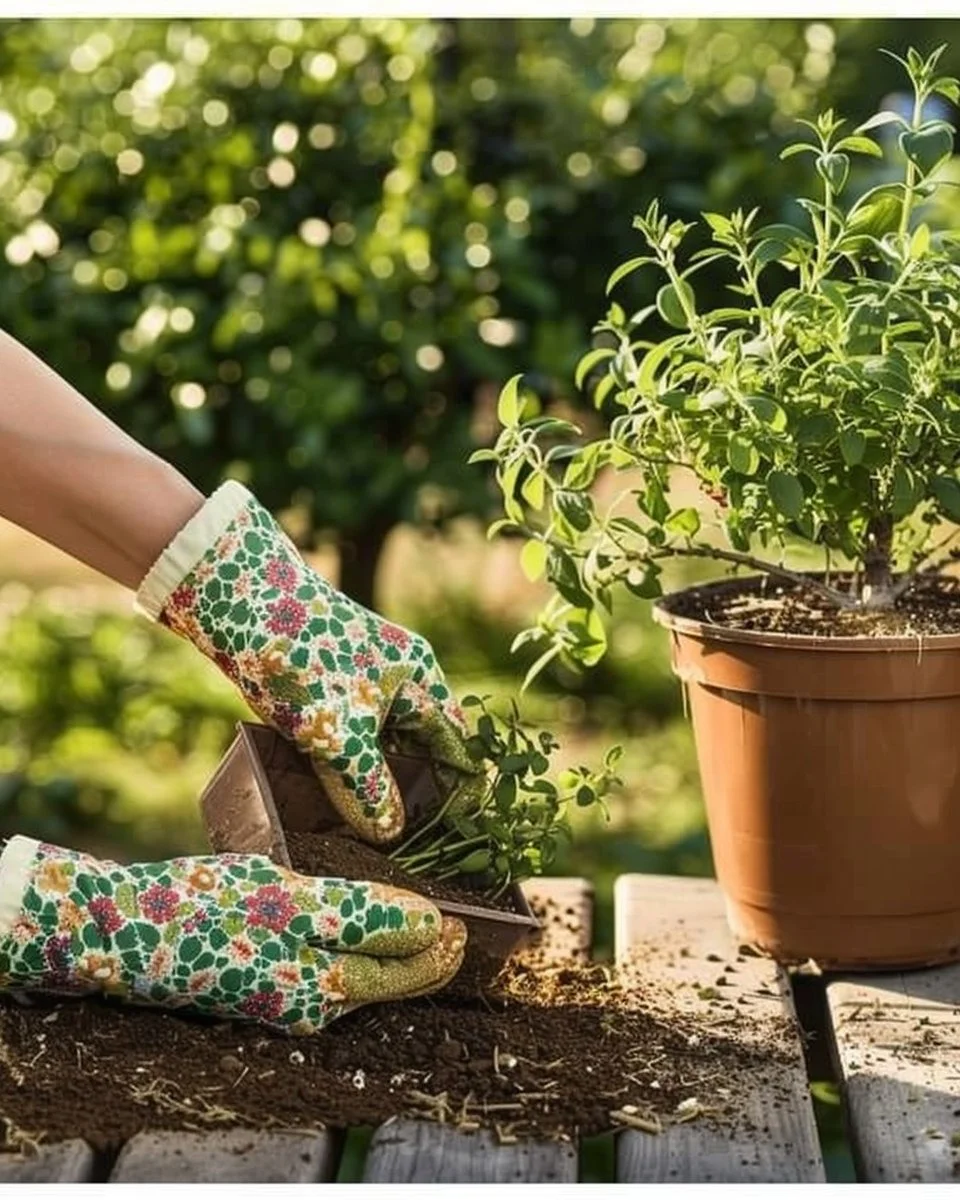
Pest And Disease Basics
Pests and diseases are part of gardening, but most problems are manageable with observation and simple interventions.
Identifying Common Pests
Learn to recognize common culprits: aphids (clusters on young shoots), slugs (irregular holes and slime trails), caterpillars (chewed leaves), and cucumber beetles (striped beetles on squash). Early, accurate ID helps you choose a gentle solution.
Keep a garden notebook or take photos—tracking problems over time shows patterns and helps prevention.
Natural Pest Controls
Encourage beneficial insects by planting flowers like dill, fennel, and calendula. Handpick larger pests at dusk (slugs, caterpillars) and use traps where appropriate. Insecticidal soaps and neem oil work on soft-bodied insects when applied correctly.
Crop rotation and removing diseased plant debris in the fall reduce overwintering pests and pathogens.
When To Use Chemicals
Chemical controls are a last resort. If you do use them, choose the least-toxic options, follow label directions, and apply when pollinators are inactive (early morning or evening). Spot-treat rather than blanket-spray, and consider targeted products like Bt for caterpillars that are safe for beneficial insects.
Conclusion
You’ve now got a clear roadmap of Easy Gardening Tips for Beginners: plan your space with realistic goals, improve and feed your soil, choose plants that match your conditions, plant and care for them using simple techniques, water and fertilize thoughtfully, and manage pests with gentle, informed methods. Gardening rewards patience and small, steady improvements—one season’s lessons will make the next one easier.
If you’d like a curated list of additional beginner-friendly ideas and seasonal to-dos to tuck into your gardening binder, this collection of practical Easy Gardening Tips for Beginners is a great next read.
FAQs
Q: How much time do I need to garden each week?
A: Start with 30–60 minutes, three times a week. As plants establish, chores become quicker and more focused.
Q: Can I grow vegetables in containers if I have no yard?
A: Absolutely. Choose large pots (at least 5 gallons for many veggies), good-quality potting mix, and keep them watered and fed.
Q: How do I know if my soil is healthy?
A: Healthy soil is crumbly, drains well, and has earthworm activity. A soil test gives nutrient and pH details.
Q: When should I fertilize?
A: Typically at planting and mid-season for vegetables. Use compost as a slow-release baseline and supplement only as needed.
Q: What’s the easiest pest control for beginners?
A: Handpicking, encouraging beneficial insects with flowers, and using barriers (row covers) are low-effort, effective methods.