
Introduction
If you’ve ever walked into a garden center during the booming summer season, you might have felt a mixture of excitement and overwhelm. With so many colors, textures, and scents, the possibilities seem endless. However, one of the best-kept secrets for achieving a bountiful veggie garden is not just what you plant, but how you plant it. That’s where the Easy Companion Planting Guide for Your Summer Veggie Garden comes into play. In this guide, you’ll learn how different plants can enhance each other’s growth, deter pests, and even boost flavors, creating a thriving environment in your backyard. Whether you’re a seasoned gardener or just starting, uncovering the art of companion planting will elevate your summer harvest to new heights. Let’s dig in!
Table of Contents
Understanding Companion Planting
Companion planting is the practice of growing two or more plant species together for mutual benefit. But what exactly does that mean? For instance, certain plants can naturally repel pests, while others can attract beneficial insects. This holistic approach not only enhances the health and resilience of your garden but also makes the most of your available space and improves yields.
What Is Companion Planting?
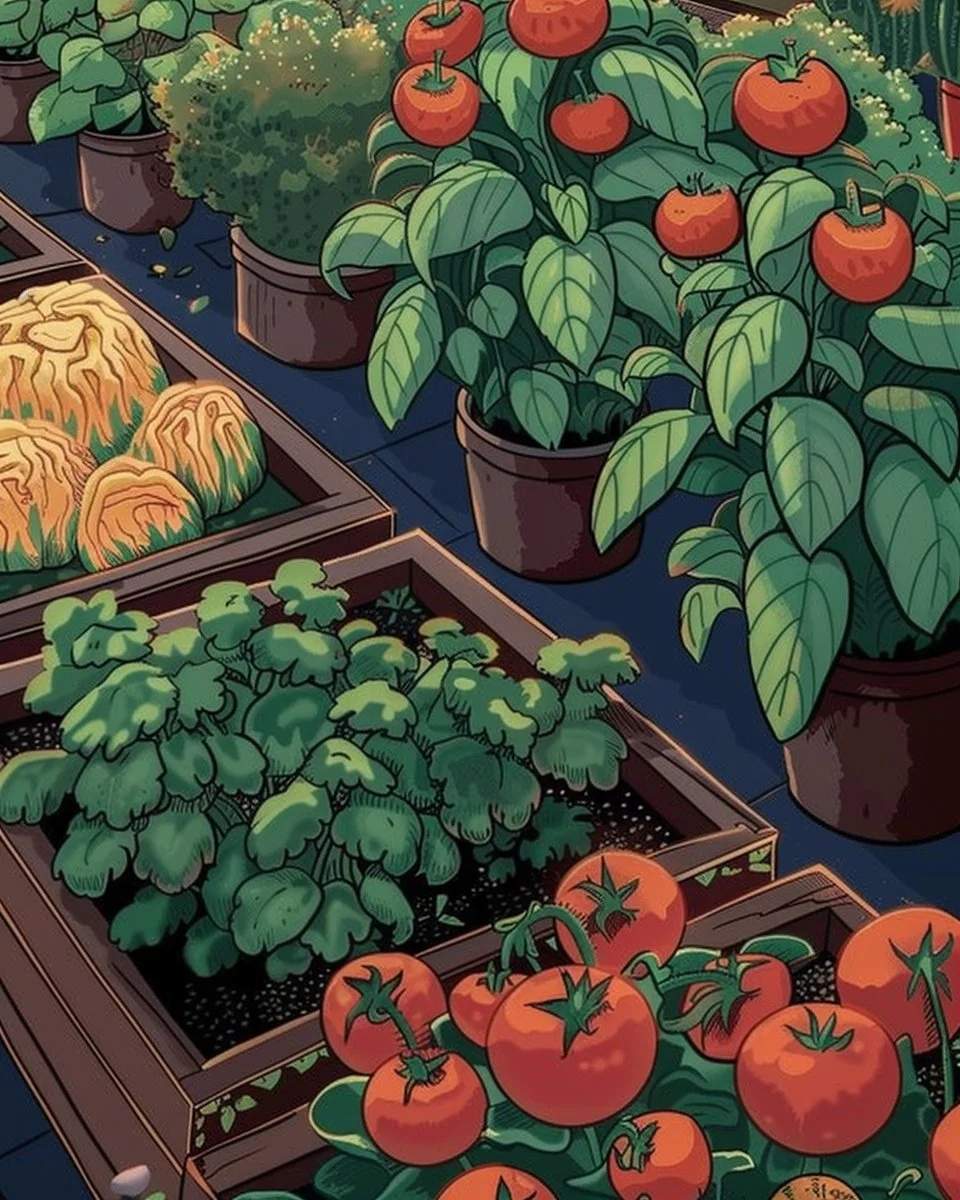
Companion planting is an ancient practice rooted in traditional agriculture. Essentially, it’s about partnering plants that will help each other thrive. Some popular combinations include tomatoes with basil, which not only enhances flavor but also deters pests like aphids. Understanding the natural relationships between plants can lead to healthier crops and a more enjoyable gardening experience.
Benefits of Companion Planting
The benefits of companion planting are extensive. Here are a few key advantages:
- Pest Control: Certain plants naturally repel harmful insects. For instance, marigolds release compounds that deter nematodes and whiteflies.
- Enhanced Growth: Plants like beans, which fix nitrogen in the soil, can benefit heavy feeders like corn.
- Flavor Enhancement: Growing certain herbs alongside your veggies can enhance their flavor. For example, basil not only wards off pests but can also amplify the taste of tomatoes.
- Space Efficiency: By layering or intercropping plants, you can maximize even small garden spaces, allowing for a richer diversity in your harvest.
Best Companion Plants for Summer Vegetables
As summer rolls around, here are some fantastic pairings that will help your garden flourish. Knowing the best companions can lead to an abundant garden filled with delicious veggies.
Perfect Pairings
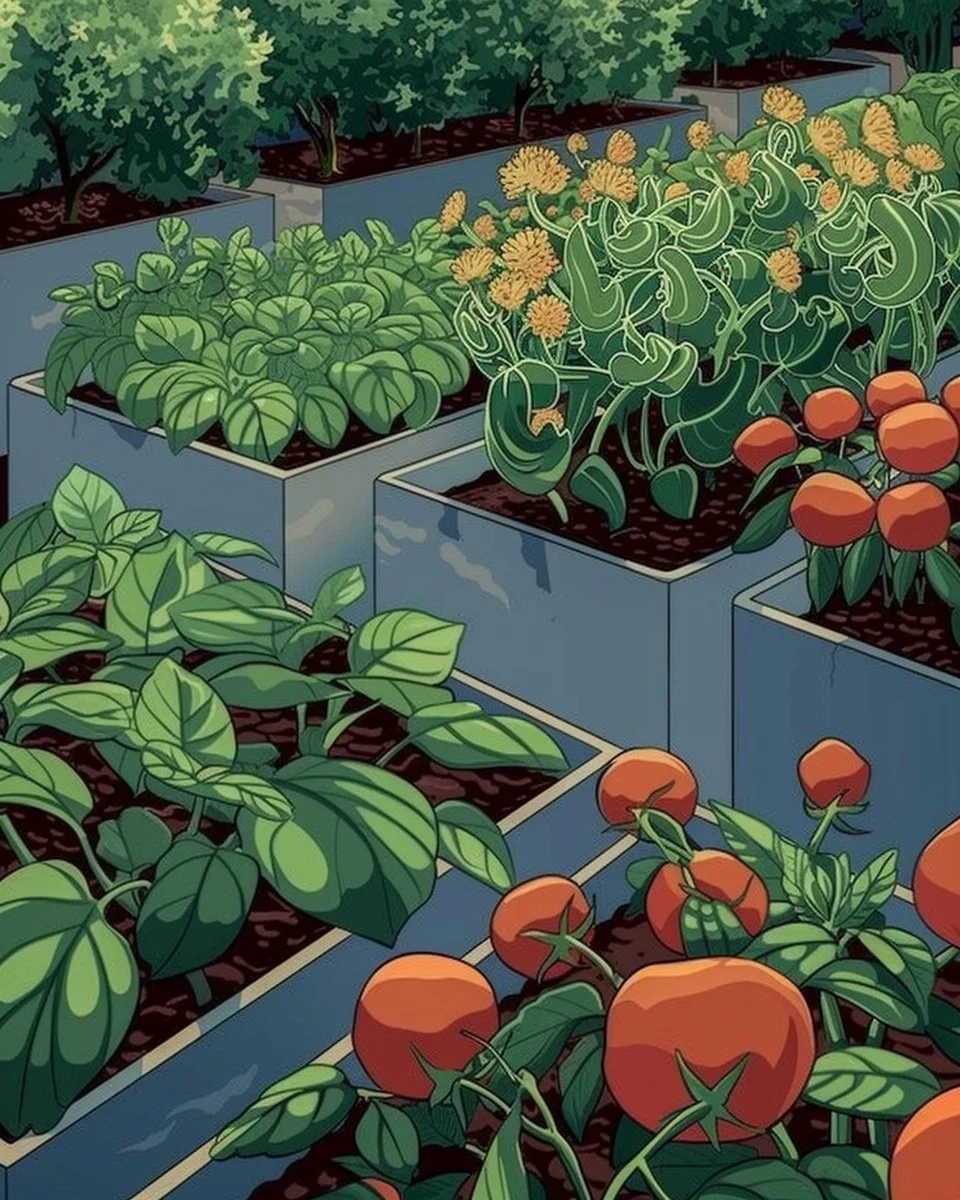
- Tomatoes and Basil: Together, these two create a classic duo in both gardens and kitchens. Basil repels certain pests and enhances tomato flavor.
- Carrots and Onions: These two can help prevent each other’s pests. While digging in the soil, carrots resent the smell of onions, which keeps carrot flies away.
- Cucumbers and Nasturtiums: Nasturtiums not only attract beneficial pollinators but also repel aphids and other harmful insects.
- Pumpkins and Corn: Plant pumpkin alongside corn; the tall cornstalks support pumpkin vines while also creating shade.
Plants to Avoid Together
Just as some plants thrive together, there are certain combinations to avoid. Here are a few examples:
- Beans and Onions: Onions can inhibit the growth of beans, causing them to produce poorly.
- Tomatoes and Potatoes: These two can both be susceptible to blight, which can spread easily if planted too close together.
- Cabbage and Strawberries: Cabbage family members can inhibit the growth of strawberries and vice versa.
Techniques for Successful Planting
Having the right plants is half the battle—now let’s focus on how to implement these pairings effectively.
Planning Your Layout
When laying out your garden, consider the mature size of your plants. Taller plants can provide shade to their shorter companions, which is important in the heat of summer. For example, pairing taller crops like corn with lower-growing plants like peas can result in an efficient use of space and resources. Try sketching a rough layout before you plant, factoring in the sun’s movement through your garden.
Soil and Nutrient Considerations
Healthy soil is the foundation of a productive garden. Invest in good quality compost and organic matter. Remember to test your soil pH, as different plants have varying nutrient needs. For instance, leafy greens often thrive in a more alkaline environment, while root vegetables prefer slightly acidic conditions. Properly amending soil not only supports the plants you choose but also improves their resilience against pests.
Troubleshooting Common Issues
Occasionally, even the best-planned gardens face challenges. Here’s how to identify and mitigate some common issues.
Identifying Plant Stress
Plants may show signs of stress through wilted leaves or yellowing. Stress often indicates overcrowding, nutrient deficiencies, or disease. When observing these signs, it might be beneficial to do a quick inspection. Are your chosen companion plants growing as expected? If something seems off, consider giving them more space or adjusting their nutrient inputs.
Managing Pests Naturally
Companion planting is about creating a balanced ecosystem. If you find yourself battling pests, consider introducing beneficial insects like ladybugs or lacewings into your garden. Planting herbs like dill and fennel can attract these helpful insects while the odors can deter more harmful ones. Natural pest solutions reduce the need for chemical interventions, leading to a healthier garden and homegrown veggies you can feel good about.
Real-Life Success Story
I once had a neighbor who seemed to grow the best tomatoes in our entire community. Intrigued, I asked her about her secret. To my surprise, she credited those tasty tomatoes to the basil plants interspersed throughout her garden. Not only did they enhance the tomatoes’ flavor, but she also noticed fewer aphids. Inspired by her success, I decided to give the pairing a try. The result? My tomatoes flourished, offering those sweet flavors we all crave. This simple companion planting technique opened my eyes to the possibilities in our gardens!
Conclusion
The Easy Companion Planting Guide for Your Summer Veggie Garden has shown how strategic planting pairs can work wonders for your summer harvest. By crafting a thoughtful garden layout, paying attention to soil health, and choosing plant companions wisely, you’ll enhance the productivity of your garden and enjoy vibrant, flavorful vegetables. Gardening is a journey, and each season brings new opportunities to learn and grow. So grab your seeds, try out some companion plants, and watch your garden thrive.
FAQs
What vegetables grow well together?
Vegetables like tomatoes, basil, carrots, and onions are known to thrive well together and even enhance each other’s growth.
Can I plant flowers with my vegetable garden?
Absolutely! Many flowers, such as marigolds, can attract pollinators and repel pests, making them great companions in a veggie garden.
How do I know which plants to pair together?
Researching plant compatibility and understanding their growth habits will help identify beneficial pairings. Many gardening books and online resources categorize plants by compatibility.
When is the best time to plant summer veggies?
Typically, summer veggies should be planted after the last frost date when soil temperatures are consistently warm, usually mid to late spring.
How can I improve soil quality for my garden?
Adding organic compost and mulch, rotating crops, and ensuring proper drainage will significantly enhance your soil quality, making it more fertile for planting.